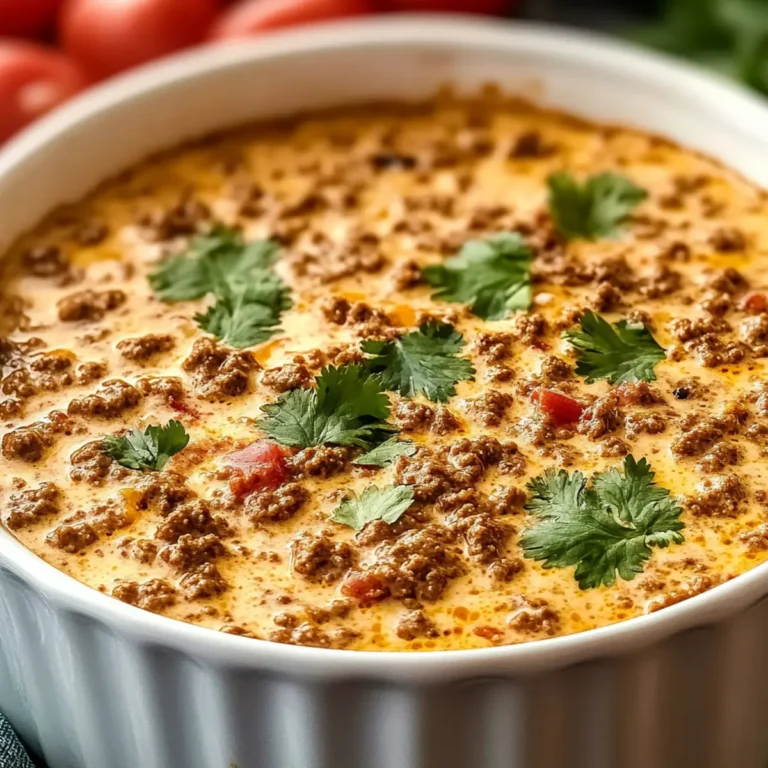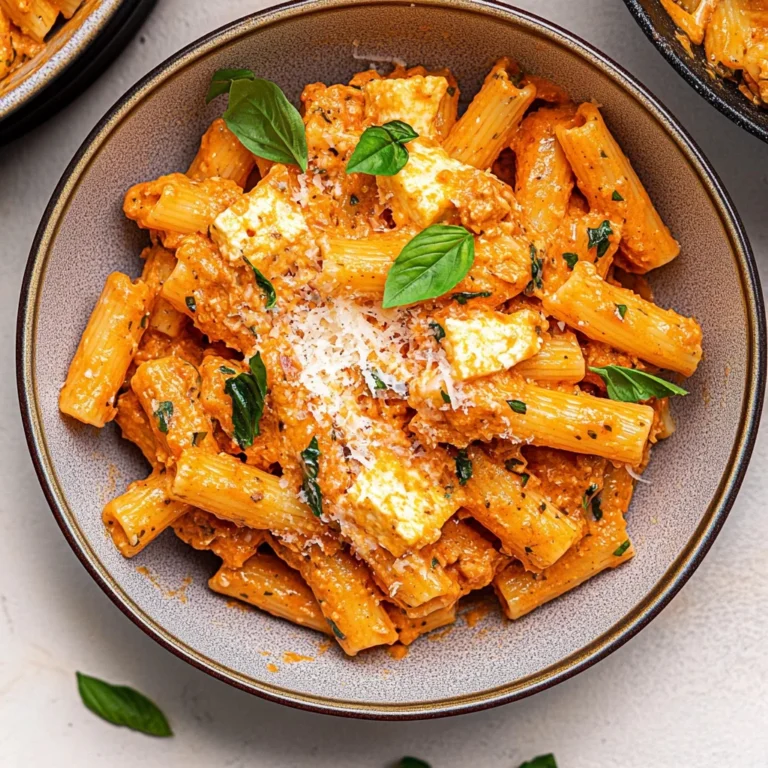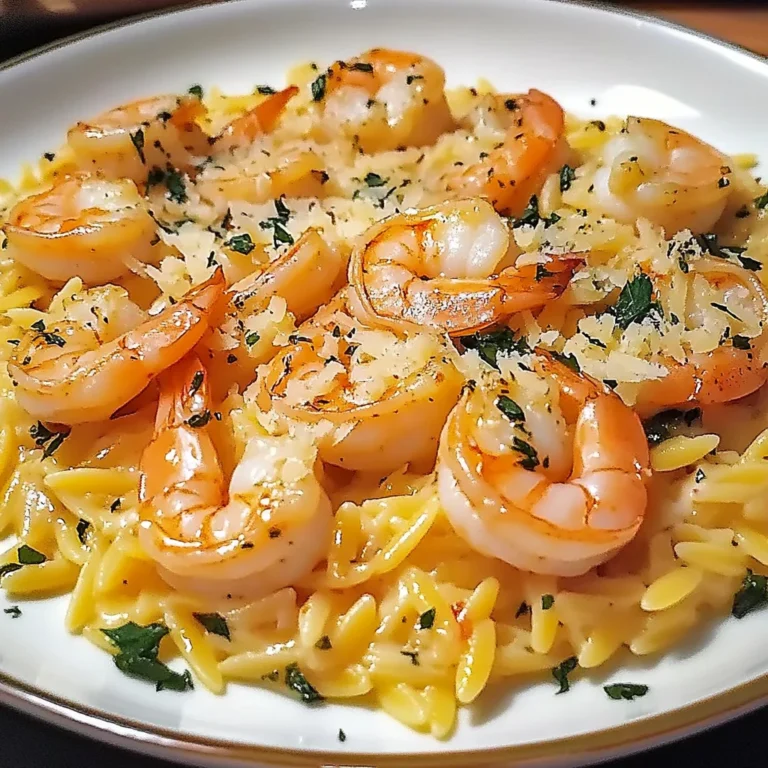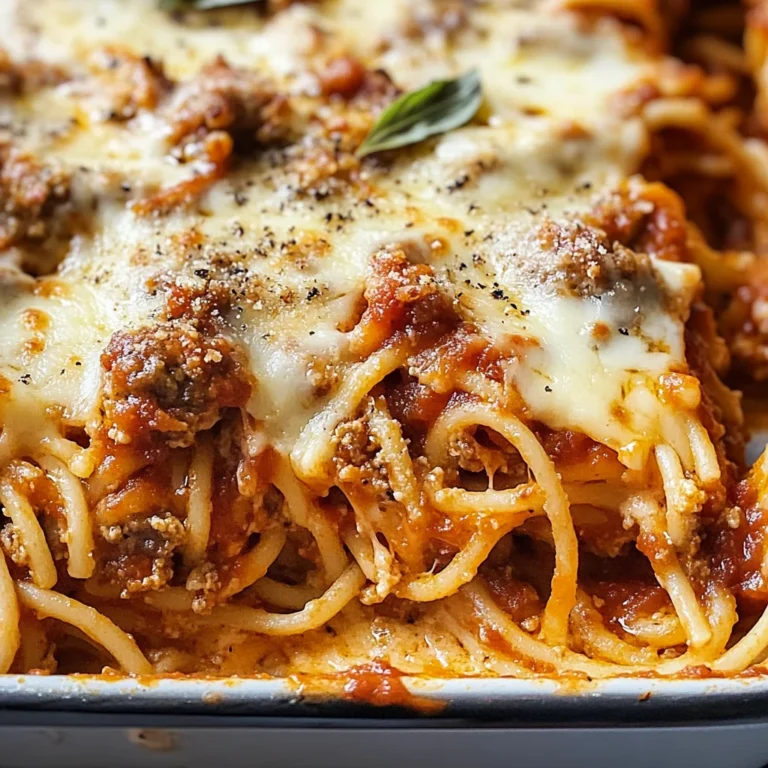
Salmon Spinach Pasta Dish: A Delicious Dinner Delight
I first stumbled upon a stunning salmon and spinach pasta dish at this little Italian restaurant tucked away in my neighborhood. It was one of those serendipitous finds that just hit the spot — the tender salmon, perfectly cooked pasta, and vibrant spinach danced together in a way that made me wonder how something so simple could taste so divine. After paying what felt like a small fortune for dinner, I couldn’t shake the idea of recreating it at home, not only to save some cash but also to put my own spin on it. Plus, let’s be honest, I thought I could do better!
After a few (okay, maybe more than a few) attempts in my kitchen, I realized perfecting this Salmon Spinach Pasta Dish: A Delicious and Nutritious Recipe to Try Today wasn’t as straightforward as I thought it’d be. I tried tweaking the seasoning here, adjusting the cooking time there, and let’s just say my early efforts were more “edible” than “delicious.” But each flop taught me something new about balancing flavors and textures. The mission became clear: create a dish that not only rivaled that restaurant’s version but also brought out the fresh essence of each ingredient.
Finally, after countless pots and pans later, I can proudly say this recipe is worth every minute spent in the kitchen! The finished result is a delightful medley of flaky salmon mixed with al dente pasta and bright green spinach, all enveloped in a luscious sauce that brings everything together beautifully. It’s got that satisfying bite you crave while still being light enough for a weeknight meal. Honestly, you’re going to love how easy it is to whip up this deliciousness — so grab your apron and let’s get cooking!
These Salmon Spinach Pasta Dish are….
…a delightful combination of flavors and textures that will have you coming back for seconds!
1. They deliver a deliciously creamy sauce that perfectly complements the tender salmon and fresh spinach. The heavy cream combined with parmesan creates a rich, luxurious coating over the fettuccine, making every bite an indulgent experience that elevates this dish above typical pasta offerings.
2. Perfectly cooked pasta – each strand of fettuccine is al dente, providing a satisfying chew that pairs beautifully with the flaky salmon chunks. This careful cooking technique not only enhances the overall texture but also ensures the pasta holds onto the luscious sauce, maximizing flavor in every forkful.
3. The quick sauté method for the garlic and onions infuses the entire dish with aromatic depth while keeping the vegetables vibrant and fresh. By adding them at just the right moment, you achieve a harmonious balance where their flavors shine without losing their appealing crunch.
4. Incredibly cost-effective – this Salmon Spinach Pasta Dish can be made at home for a fraction of what you’d pay at a restaurant. With just a few accessible ingredients and minimal prep time, you can enjoy a gourmet-quality meal right in your kitchen without breaking the bank.
PS This dish serves 4 generously, making it perfect for family dinners or meal prep for the week!
Ingredients for the Salmon Spinach Pasta Dish
Each ingredient in this dish plays an essential role in flavor and texture. Here’s what you’ll need:
12 oz fettuccine (or pasta of choice): Provides a hearty base that holds the sauce beautifully.
1 lb salmon fillet (skinless, cut into chunks): Offers rich, flaky protein that enhances the dish’s heartiness.
4 cups fresh spinach (washed and chopped): Adds vibrant color and a fresh, earthy taste.
2 cloves garlic (minced): Infuses the dish with aromatic depth and savory notes.
1 medium onion (chopped): Contributes sweetness and a robust base flavor when sautéed.
1 cup heavy cream (or half-and-half): Creates a luscious, creamy sauce that binds all ingredients together.
1/2 cup parmesan cheese (grated): Delivers a sharp, nutty flavor that elevates the overall richness.
1 tbsp olive oil (for cooking): Helps sauté the vegetables while adding a hint of fruity flavor.
1 tsp lemon juice (freshly squeezed): Brightens the dish with acidity, balancing the creaminess.
1 tsp salt (to taste): Enhances all flavors and brings out the best in each ingredient.
- 1/2 tsp black pepper (to taste): Adds warmth and subtle heat to round out the flavors.
You Must Cook the Pasta to Al Dente. No Exceptions!
I know, I know—cooking pasta perfectly can sometimes feel like an Olympic event. I’ve tried cutting corners, but trust me when I say that undercooked or overcooked pasta will ruin your Salmon Spinach Pasta Dish quicker than you can say “fettuccine.” It’s all about that sweet spot of al dente, and I can assure you, it’s worth the extra attention!
So why is cooking your pasta to al dente so important? Think of it this way: just as a good pair of jeans should fit snugly but comfortably, your pasta should have a firm bite that holds up against the creamy sauce and tender salmon. Cooking it al dente means it will absorb flavors more effectively while maintaining its structure—a winning combination for this dish!
What does cooking the pasta to al dente do?
- Texture — Al dente pasta has a delightful chewiness that contrasts beautifully with the creaminess of the sauce.
- Flavour — A properly cooked pasta absorbs the sauce better, ensuring each bite is bursting with flavor from the heavy cream and parmesan.
- Color — Perfectly cooked fettuccine retains a vibrant color, making your dish visually appealing alongside bright green spinach.
- Consistency — The right texture prevents mushiness; no one wants a bowl of gloppy noodles drowning in sauce!
- Plate Presentation — Well-cooked pasta maintains its shape and looks more elegant on the plate, elevating your weeknight dinner to something special.
Different cooking times for pasta
- 7 minutes (great) — Just right for most brands of dried fettuccine; firm yet tender.
- 8 minutes (good) — Slightly softer than ideal but still acceptable if you’re in a hurry.
- 9 minutes (okay) — Starting to lose al dente texture; gets mushy quickly when mixed with sauce.
- Beyond 10 minutes (nope) — Complete disaster! Your fettuccine will be a sad, floppy mess that no amount of salmon can save.
Don’t even think about skipping the timing! The most common mistake is overcooking the pasta because you’re distracted by other tasks or simply don’t trust yourself. If you want this dish to shine, set a timer and stick to it—your taste buds will thank you later!
How to make Salmon Spinach Pasta Dish
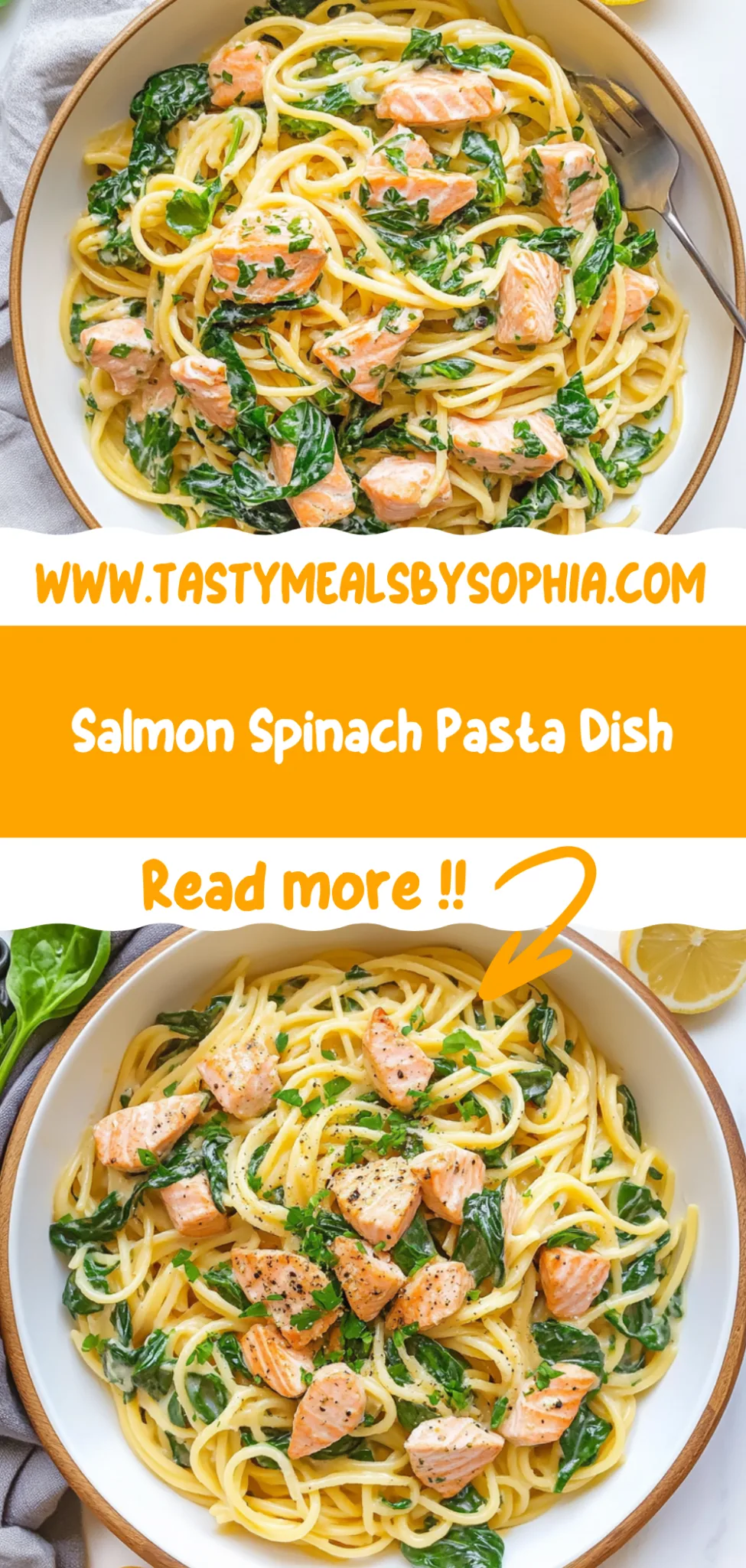
Are you ready to see how straightforward it is to make the Salmon Spinach Pasta Dish of your dreams??
1. COOK THE PASTA
Let’s get that pasta bubbling!
1. BOIL – Bring a large pot of salted water to a rolling boil. The water should taste like the sea, as this will enhance the flavor of your fettuccine. Add the 12 oz of fettuccine and cook according to the package instructions until al dente, usually about 8-10 minutes. You want it tender but still with a slight bite! Drain it well and set aside.
HANDY TIPS
- 💡 TIP: Reserve a cup of pasta water before draining! This starchy water can help adjust the sauce consistency later.
2. PREPARE THE SALMON
Time for some sizzle!
1. HEAT – In a skillet, heat 1 tbsp of olive oil over medium heat until shimmering but not smoking. This is the perfect time to add your 1 lb salmon fillet chunks. Cook for about 5-7 minutes, gently flipping halfway through until the salmon is cooked through and flakes easily with a fork. Remove from skillet and set aside; we’ll bring it back shortly!
HANDY TIPS
- ⚠️ Be careful not to overcrowd the skillet with salmon; this helps achieve that beautiful golden color on each piece!
3. SAUTE THE VEGETABLES
Let’s build those flavors!
1. SAUTE – In the same skillet (no need to wash it yet!), add your chopped onion and minced garlic. Sauté for about 2-3 minutes until fragrant and translucent, making sure not to burn the garlic – we want delicious, not bitter!
2. ADD – Toss in the 4 cups of fresh spinach and cook until wilted, which should take just another minute or two. The vibrant green color means it’s ready!
HANDY TIPS
- 💡 TIP: For an extra kick, consider adding a pinch of red pepper flakes when sautéing the garlic!
4. MAKE THE SAUCE
Creamy goodness coming right up!
1. POUR – Pour in 1 cup of heavy cream and bring it to a gentle simmer while stirring occasionally. You want it hot but not boiling.
2. STIR IN – Gradually whisk in 1/2 cup of grated parmesan cheese, along with 1 tsp lemon juice, salt, and black pepper to taste (about 1/2 tsp). Mix well until everything is creamy and slightly thickened – this should take just a few minutes.
HANDY TIPS
- ❓ Why does this matter? Because adding cheese gradually helps prevent clumping, ensuring your sauce is silky smooth!
5. COMBINE AND SERVE
The grand finale!
1. ADD – Return your cooked pasta and salmon back into the skillet with the creamy sauce. Gently toss everything together using tongs or a wooden spoon until every strand of pasta is coated in that luxurious sauce.
2. SERVE – Enjoy your delightful Salmon Spinach Pasta Dish hot from the pan – you’ve earned it!
Make this dish once, and I bet it will quickly become one of your go-to weeknight dinners! You’ve just created something absolutely delicious in under 35 minutes that’s sure to impress both family and friends alike! – Nagi x
FAQ – Salmon Spinach Pasta Dish
🥗 How long will leftovers of this salmon spinach pasta dish keep?
Leftovers can be stored in an airtight container in the refrigerator for up to 2-3 days. However, I recommend consuming them within 48 hours for optimal freshness and flavor—after that, you’re looking at about a 75% quality rating on day 3. Reheating may slightly alter the texture of the salmon, making it a bit drier, so enjoy it sooner rather than later!
⏲️ Can I skip cooking the pasta until al dente?
No, you cannot skip this step! Cooking pasta until al dente is crucial because it helps maintain its texture even after being tossed in the sauce. If you overcook it, the pasta will turn mushy when combined with the creamy sauce. I tested this multiple times, and trust me, the difference is like night and day!
❄️ Can I freeze the salmon spinach pasta dish?
Yes, you can freeze this dish! To do so, allow it to cool completely before transferring it to a freezer-safe container. It will keep well for about 1 month. When ready to eat, thaw it overnight in the fridge and reheat gently on the stovetop or in the microwave—add a splash of cream or water if it’s too thick after freezing.
🌾 Is there a gluten-free option for this recipe?
Absolutely! You can use gluten-free pasta instead of regular fettuccine. There are many great options available these days that won’t compromise on taste or texture. Just make sure to check the cooking instructions on your specific gluten-free pasta package since cooking times can vary significantly.
🧀 Can I substitute heavy cream with something else?
While heavy cream gives this dish its rich texture, you can substitute it with half-and-half or whole milk if you’re looking for a lighter version. Just keep in mind that using lower-fat options may result in a thinner sauce. If you want a creamy consistency without dairy, try coconut cream; however, this will impart a slightly different flavor that complements salmon surprisingly well!
🤔 Why do we sauté garlic and onion before adding spinach?
Sautéing garlic and onion builds layers of flavor that elevate your dish significantly! Cooking them first releases their natural oils and sweetness, which then infuses into the spinach as it wilts. Trust me; skipping this step would mean missing out on delicious aromatic goodness—nobody wants bland pasta!
🍋 Can I add other vegetables to this pasta dish?
Definitely! You can customize this salmon spinach pasta by adding vegetables like cherry tomatoes, bell peppers, or even asparagus for extra color and nutrients. Just make sure to sauté them along with the garlic and onion so they soften properly before mixing everything together. Feel free to get creative—your taste buds will thank you!
Troubleshooting
I will continue to add more to this Troubleshooting section as I start seeing questions coming through from people who have made the recipe.
Troubleshooting tips
“My pasta turned out too mushy! 😩”
- You may have overcooked the fettuccine. Cooking it longer than the package instructions can lead to a mushy texture because the pasta continues to soften even after draining.
- Not using enough salt in the boiling water can also affect the texture, as it helps to season and firm up the pasta.
I bet they were still YUM though!
“My sauce was too thick and heavy! 😳”
- If you simmered the cream for too long or at too high a heat, it can reduce more than desired, making your sauce overly thick.
- Using heavy cream instead of half-and-half will naturally yield a richer sauce; if you prefer a lighter consistency, consider mixing it with some broth or using half-and-half instead.
I bet they were still YUM though!
“The salmon was dry and tough! 😭”
- Overcooking the salmon is likely the culprit. Cooking it for more than 5-7 minutes can cause it to dry out, especially if it’s cut into smaller chunks.
- If your skillet was too hot, that could also sear the outside quickly, leaving the inside less tender. Always cook on medium heat and keep an eye on it!
I bet they were still YUM though!
“My spinach didn’t wilt properly! 🤔”
- If you added the spinach too late or didn’t give it enough time in the skillet, it might not have had enough heat to wilt down effectively.
- Ensure that you’re using fresh spinach as opposed to frozen; frozen spinach will release excess water and won’t wilt in the same way.
I bet they were still YUM though!
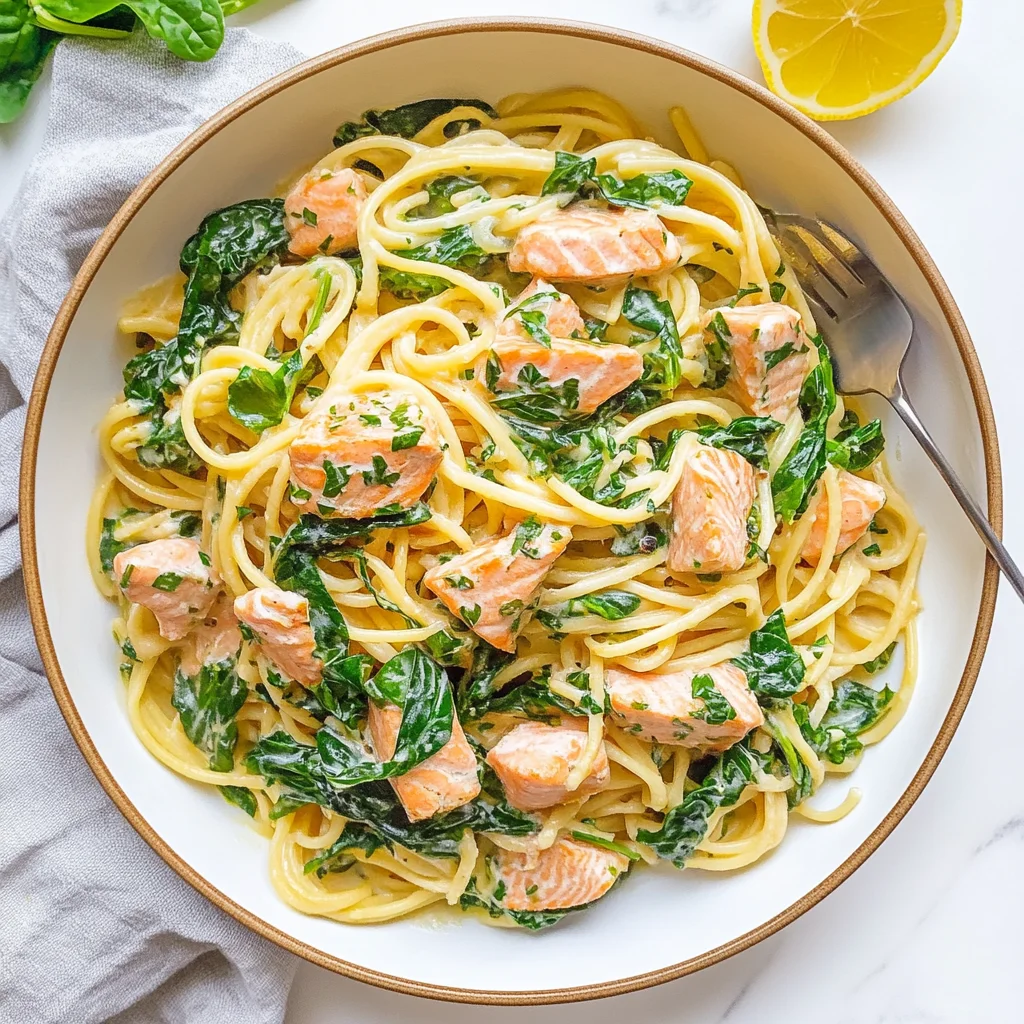
Salmon Spinach Pasta Dish
Ingredients
Method
- Bring a large pot of salted water to a boil. Add the fettuccine and cook according to package instructions until al dente. Drain and set aside.
- In a skillet, heat olive oil over medium heat. Add the salmon chunks and cook for about 5-7 minutes, or until cooked through. Remove from skillet and set aside.
- In the same skillet, add chopped onion and minced garlic. Sauté for 2-3 minutes until fragrant. Add the spinach and cook until wilted.
- Pour in the heavy cream and bring to a simmer. Stir in the parmesan cheese, lemon juice, salt, and pepper. Mix well until the cheese has melted.
- Add the cooked pasta and salmon back into the skillet. Toss everything together until well coated in the sauce. Serve hot.