Apple Cider Bundt Cake: Cozy Fall Flavor Awaits!
I first stumbled upon the idea of an Apple Cider Bundt Cake during a cozy fall outing at a local café, where I took my first bite of their seasonal special. The cake was moist, bursting with apple flavor, and infused with just the right amount of warm spices—it felt like autumn on a plate! I knew I had to recreate it at home, not just because it was delicious, but also because I wanted to put my own spin on it. Plus, let’s be honest, baking it myself meant I could enjoy as much as I wanted without breaking the bank or having to share!
It took me a solid three weekends to nail down the perfect recipe for this Apple Cider Bundt Cake. You’d think baking would be straightforward, but oh boy, was I in for a ride! My first few attempts were either too dry or lacked that rich depth of flavor that makes your heart sing. Each version had its flaws—like the one that resembled more of a brick than a cake—but hey, they say practice makes perfect, right? With every iteration, my goal was to achieve that dreamy balance between moistness and flavor without sacrificing the cake’s beautiful appearance.
But let me tell you, all those mishaps were worth it when I finally pulled out my masterpiece from the oven—an Apple Cider Bundt Cake that’s incredibly moist and packed with warm spices that practically scream “fall.” The texture is just right: tender yet sturdy enough for slicing, while the flavor is an enchanting blend of sweet apple goodness and aromatic spices. Trust me when I say this cake will become your go-to for gatherings or simply as an indulgent treat at home. So grab your mixing bowl and get ready to fill your kitchen with the delightful scent of autumn—I can’t wait for you to try it!
These Apple Cider Bundt Cake are…
…a delightful fusion of fall flavors that will have everyone coming back for seconds!
1. They offer an incredible depth of flavor with warm spices and a sweet apple aroma, thanks to the fresh apple cider and a blend of cinnamon and nutmeg. This combination not only enhances the cake’s taste but also brings out the comforting essence of autumn in every bite.
2. Moist and tender texture — each slice is soft and fluffy, achieved by using a generous amount of unsalted butter and eggs. This perfect balance ensures that the cake remains incredibly moist, making it an irresistible treat at any gathering.
3. A simple yet effective technique is folding in the dry ingredients just until combined, which prevents overmixing and keeps the cake light and airy. This method allows the flavors to meld beautifully without sacrificing texture.
4. Budget-friendly goodness — this Apple Cider Bundt Cake can be made with everyday ingredients found in most pantries, making it accessible for everyone. Plus, it yields a large cake that’s perfect for sharing, ensuring you get more bang for your buck when entertaining.
PS This bundt cake serves 10-12 people, making it ideal for family gatherings or potlucks!
Gather These Ingredients
Each ingredient in this dish plays an essential role in flavor and texture. Here’s what you’ll need:
- 2 cups all-purpose flour: Provides the structure and base for the cake.
- 1 cup apple cider (preferably fresh): Infuses a delightful apple flavor and moisture.
- 1 cup granulated sugar: Sweetens the cake for a balanced taste.
- 1 cup brown sugar (packed): Adds depth and a hint of caramel flavor.
- 1 cup unsalted butter (softened): Ensures a rich texture and enhances moisture.
- 4 large eggs: Binds the ingredients together while adding richness.
- 1 teaspoon vanilla extract: Introduces warmth and complexity to the flavor.
- 1 teaspoon baking powder: Helps the cake rise to a perfect fluffy texture.
- 1 teaspoon baking soda: Works with acidic ingredients for leavening.
- 1 teaspoon ground cinnamon: Offers a warm spice that complements the apple cider.
- 1/2 teaspoon ground nutmeg: Adds a subtle earthy note to enhance the spice profile.
- 1/2 teaspoon salt: Balances sweetness and elevates overall flavor.
Greasing and Flourishing the Bundt Pan is Non-Negotiable! Here’s Why!
I’ll be honest: I thought I could skip this step and save myself some time. After all, isn’t cake batter supposed to just pop out of the pan like magic? Well, after a few tragic attempts that ended with half my cake clinging desperately to the pan’s crevices, I learned the hard way that greasing and flouring is not just a suggestion; it’s essential.
The science behind this technique is simple yet critical. Just like you wouldn’t want your perfectly baked lasagna to stick to the dish, the same goes for your bundt cake. When you properly grease and flour the pan, it creates a barrier that prevents the moist apple cider-infused cake from sticking, ensuring it releases easily and maintains its beautiful shape. Trust me, no one wants a cake that looks like it had a fight with its own mold!
What does greasing and flouring do?
- Easy Release — Properly greased and floured pans ensure your cake slides out smoothly without leaving behind any delicious bits.
- Flawless Shape — This technique helps maintain the intricate design of your bundt pan, giving you a cake that looks as good as it tastes.
- Uniform Baking — A well-prepared surface allows for even heat distribution, so your cake bakes consistently throughout.
- Reduced Risk of Overbaking — When cakes stick to pans, they often have to bake longer than necessary to loosen, which can lead to dryness; proper greasing helps prevent this.
- Enhanced Texture — With no sticky bits left behind in the pan, every slice has the perfect crumb texture without being compromised by unwanted crust.
Different greasing and flouring methods
- Butter and Flour (⭐️ Best) — This classic method ensures maximum release and flavor enhancement from the butter while keeping your bundt cake intact.
- Baking Spray (⭐️ Good) — Convenient but often lacks the flavor boost from butter; cakes may still stick if not used generously.
- Oil (Fair) — Works in a pinch but can lead to a slightly greasy finish; not ideal for intricate designs.
- Silicone Baking Mold (⭐️ Okay) — No need for greasing or flouring here, but results may differ in texture compared to traditional metal pans.
Don’t even think about skipping this step! The most common mistake people make is using insufficient grease or flour. If you’re unsure, err on the side of caution and apply an extra layer—your beautiful bundt will thank you later!
How to make Apple Cider Bundt Cake
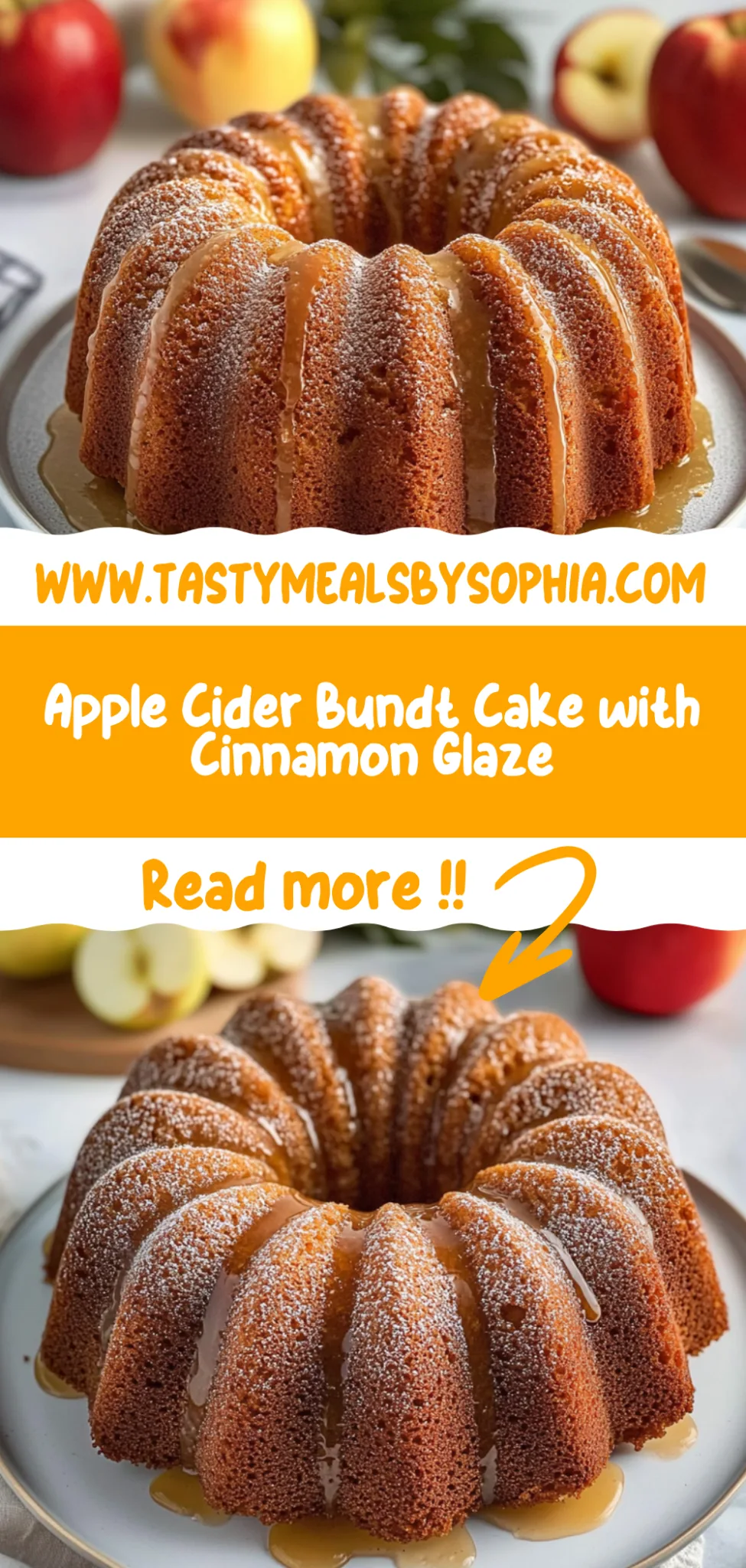
Are you ready to see how straightforward it is to make the Apple Cider Bundt Cake of your dreams??
1. PREPARE THE BUNDT PAN
Let’s get things started by prepping our baking vessel!
Preheat – Preheat the oven to 350°F (175°C). This ensures your cake bakes evenly and achieves that perfect golden brown color.
Grease and Flour – Grease and flour a bundt pan thoroughly. This prevents sticking and allows for easy release once baked.
Combine Dry Ingredients – In a mixing bowl, combine 2 cups of all-purpose flour, 1 teaspoon of baking powder, 1 teaspoon of baking soda, 1 teaspoon of ground cinnamon, ½ teaspoon of ground nutmeg, and ½ teaspoon of salt. Set aside this mixture as it forms the foundation of your cake.
HANDY TIPS
- Use fresh apple cider for a burst of flavor; it elevates the taste significantly!
- Ensure the bundt pan is well-greased to avoid any sticky situations later.
2. MAKE THE CAKE BATTER
Now we’re diving into the delightful process of creating our cake batter!
Cream – In a large bowl, cream together 1 cup of softened unsalted butter, 1 cup of granulated sugar, and 1 cup of packed brown sugar until light and fluffy. This step adds air, making your cake tender!
Add Eggs – Add in 4 large eggs one at a time, mixing well after each addition. This helps maintain structure in the cake. Then stir in 1 teaspoon of vanilla extract for that lovely aromatic touch.
Combine Wet and Dry Ingredients – Gradually add the dry ingredients to the butter mixture while alternating with 1 cup of fresh apple cider. Start and end with the dry ingredients to ensure a smooth batter. Mix until just combined—don’t overmix!
HANDY TIPS
- For best results, ensure your butter is at room temperature, which aids in achieving that light texture.
- If you want an extra kick, consider adding a pinch more cinnamon or nutmeg—it’s fall after all!
3. BAKE THE CAKE
This is where the magic happens — it’s baking time!
Pour Batter – Pour the batter into the prepared bundt pan and smooth out the top with a spatula for an even bake.
Bake – Bake in the preheated oven for about 50-60 minutes, or until a toothpick inserted into the center comes out clean. You’ll know it’s done when it’s fragrant and golden brown on top!
Cool – Allow the cake to cool in the pan for about 10 minutes before carefully inverting onto a cooling rack to cool completely.
HANDY TIPS
- Keep an eye on your cake during baking; ovens can vary slightly! If it’s browning too quickly, cover loosely with foil.
- Letting it cool slightly in the pan before transferring helps maintain its shape.
4. PREPARE THE GLAZE
Let’s add that sweet finishing touch!
Whisk Glaze Ingredients – In a small bowl, whisk together 1 cup of powdered sugar, 2 tablespoons of apple cider (for glaze), and another teaspoon of vanilla extract until smooth. You want it slightly thickened but pourable!
Drizzle Over Cake – Drizzle this luscious glaze over your cooled bundt cake before serving for that beautiful finish.
HANDY TIPS
- Adjust consistency by adding more powdered sugar if too thin or more apple cider if too thick!
- Drizzling while still slightly warm will help it soak into every delicious bite.
What an achievement! You’ve just created a moist and flavorful Apple Cider Bundt Cake that’s absolutely perfect for fall gatherings — I can practically smell it now! Make this once, and I wager it will invade your dreams every night too! – Nagi x
FAQ – Apple Cider Bundt Cake
How long will this bundt cake keep?
The Apple Cider Bundt Cake can be stored at room temperature for up to 3 days and still retain about 90% of its deliciousness. After that, it will gradually lose moisture and flavor, dropping to around 80% as good by day 5. To maximize freshness, store it in an airtight container or wrap it tightly with plastic wrap. If you want to extend its shelf life further, refrigerating it can keep it fresh for about a week, but do note that refrigeration can slightly alter the texture — it may become denser.
❄️ Can I freeze this bundt cake?
Absolutely! You can freeze the Apple Cider Bundt Cake for up to 3 months. To do so, let the cake cool completely after baking. Then, wrap it tightly in plastic wrap followed by aluminum foil to prevent freezer burn. When you’re ready to enjoy it again, simply thaw it in the refrigerator overnight. For best results, I recommend glazing the cake after thawing so that the glaze remains fresh and vibrant!
🌾 Can this recipe be made gluten free?
Yes, you can make a gluten-free version of this bundt cake! Substitute the all-purpose flour with a gluten-free all-purpose blend that includes xanthan gum. I’ve found that using a blend designed for baking provides the best results. However, keep in mind that texture might vary slightly compared to traditional flour — expect a bit denser texture but still wonderfully moist!
Can I reduce the sugar or substitute with sweeteners?
No, you cannot reduce the sugar without affecting the overall structure and moisture of the cake. I tried numerous times, including using less sugar and various sweeteners like stevia and monk fruit — none delivered the right balance of sweetness and moisture that this cake needs. The combination of both granulated and brown sugar is essential for achieving that perfect moist texture and depth of flavor.
Why do I need to cream butter and sugars until fluffy?
Creaming butter with sugars is a crucial step in making this bundt cake as it incorporates air into your batter, leading to a lighter texture once baked. When you cream them together until light and fluffy (about 3-5 minutes), you’re creating tiny pockets of air which expand during baking — resulting in a fluffy cake rather than a dense brick! Trust me; skipping this step will not yield the delightful crumb we’re aiming for here.
💡 What can I add to customize my bundt cake?
There are plenty of options for customizing your Apple Cider Bundt Cake! You could fold in chopped nuts like walnuts or pecans for added crunch or incorporate dried fruits such as cranberries or raisins for extra sweetness. If you’d like more spice, consider adding some ground ginger or cloves — just remember to adjust quantities accordingly since they can be potent! Experimenting is half the fun; just make sure not to overcrowd your batter!
Troubleshooting
I will continue to add more to this Troubleshooting section as I start seeing questions coming through from people who have made the recipe.
Troubleshooting tips
“My bundt cake came out too dense and heavy! 😩”
- Your butter may not have been softened enough, causing it to not cream properly with the sugars. This can lead to a dense texture instead of a light, airy cake.
- You might have overmixed the batter after adding the dry ingredients, which can develop gluten and make the cake heavy. Remember, mix just until combined!
- If you used all-purpose flour but packed it into your measuring cup, you could have added too much flour, resulting in a denser cake. Measure your flour by spooning it into the cup and leveling it off for accuracy.
I bet it was still YUM though!
“My bundt cake is too dry! What happened? 😭”
- Overbaking is a common culprit; even a few extra minutes in the oven can dry out your cake. Make sure to start checking for doneness at the 50-minute mark.
- If your apple cider was not fresh or lacked moisture, it could have contributed to a drier texture. Always use fresh apple cider for the best results!
- Not using enough butter or sugar can also lead to dryness. Ensure you measure accurately—1 cup of each is key for moisture.
I bet it was still YUM though!
“The top of my bundt cake cracked! What’s going on? 😬”
- If your oven temperature was too high, it could cause the cake to rise too quickly and crack on top. Make sure your oven is calibrated correctly and stick to 350°F (175°C).
- Not letting the batter rest before baking can also contribute to cracking as it doesn’t allow for even rising. Allowing a brief rest after mixing helps achieve even texture.
I bet it was still YUM though!
“My bundt cake didn’t rise as much as I expected! 🤔”
- Check if your baking powder and baking soda are fresh; old leaveners lose potency and won’t help your cake rise properly. A teaspoon should be active!
- If you added all your eggs at once instead of one at a time, you might not have incorporated enough air into the mixture, leading to less rise. Take your time with this step next time!
I bet it was still YUM though!
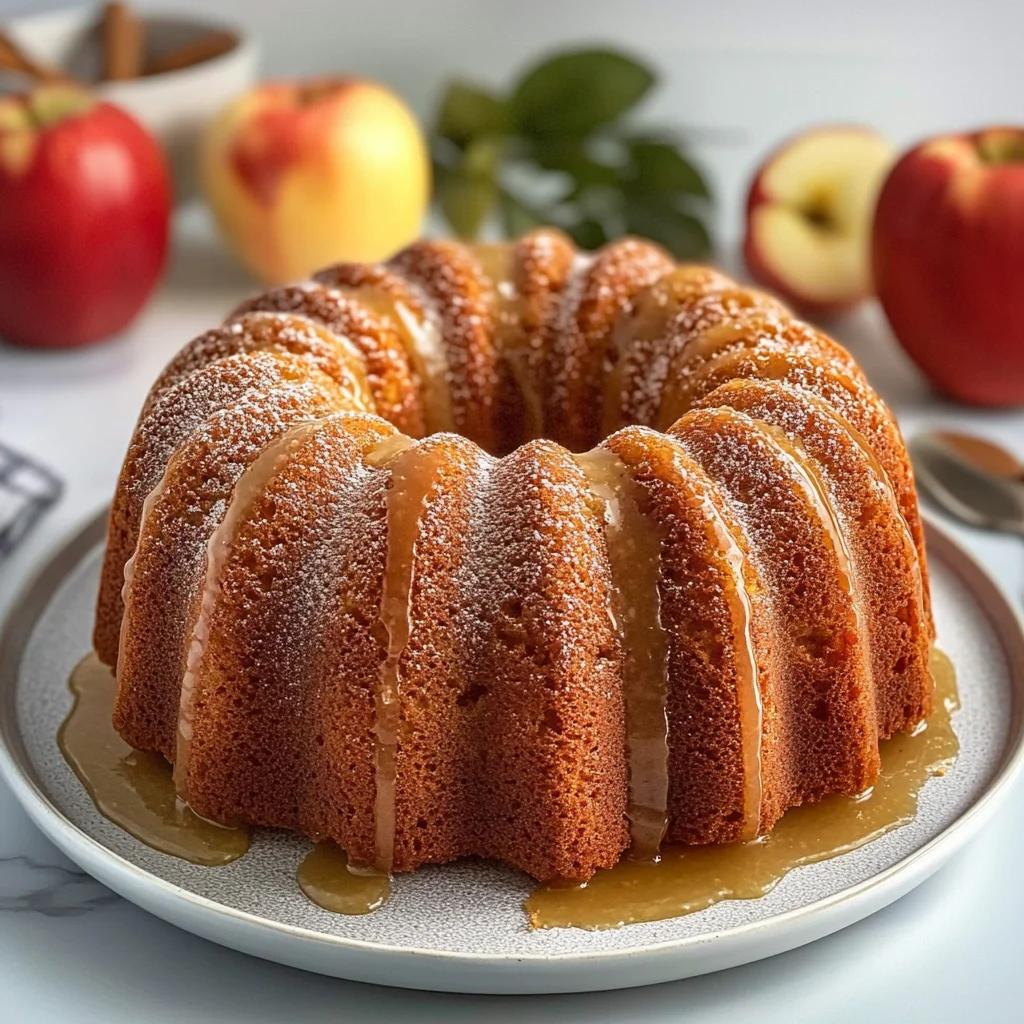
Apple Cider Bundt Cake
Ingredients
Method
- Preheat the oven to 350°F (175°C). Grease and flour a bundt pan.
- In a mixing bowl, combine flour, baking powder, baking soda, cinnamon, nutmeg, and salt. Set aside.
- In a large bowl, cream together the softened butter, granulated sugar, and brown sugar until light and fluffy.
- Add eggs one at a time, mixing well after each addition. Stir in the vanilla extract.
- Gradually add the dry ingredients to the butter mixture, alternating with the apple cider, starting and ending with the dry ingredients. Mix until just combined.
- Pour the batter into the prepared bundt pan and smooth the top.
- Bake in the preheated oven for 50-60 minutes, or until a toothpick inserted into the center comes out clean.
- Allow the cake to cool in the pan for 10 minutes, then invert onto a cooling rack to cool completely.
- In a small bowl, whisk together powdered sugar, apple cider, and vanilla extract until smooth.
- Drizzle the glaze over the cooled bundt cake before serving.