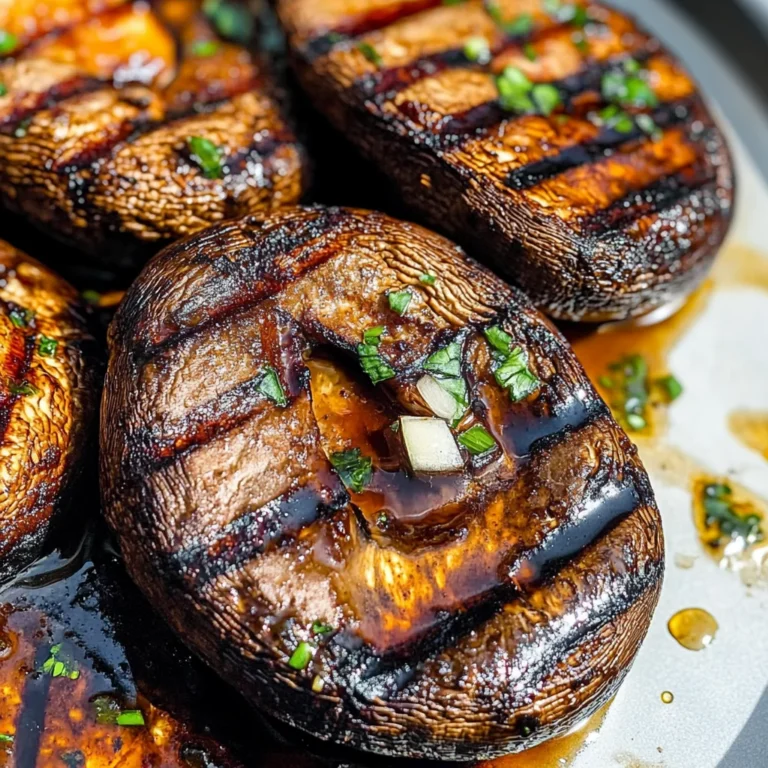
Roasted Vegetable Couscous: A Flavorful Delight at Home
I first fell in love with roasted vegetable couscous at a quaint little café during my travels. The moment I took my first bite, the combination of sweet, caramelized veggies and fluffy couscous did a little dance on my taste buds. It was one of those meals that made me realize how something so simple could be so extraordinary. So, naturally, I thought, “Why not try to recreate it at home?” I wanted to enjoy this delightful dish anytime without spending a fortune at the café—plus, I figured I could make it even better!
Let me tell you, perfecting this recipe was no walk in the park. I must have gone through at least five iterations before landing on what I’m presenting to you today—my kitchen turned into a vegetable battlefield! Each attempt had its own set of challenges: too soggy couscous here, under-roasted veggies there. It was like a comedy show where I was the star and the punchline all at once. But with each round, I honed in on the balance of flavors and textures that would make this roasted vegetable couscous truly shine.
And trust me when I say, it was all worth it! The final result is an explosion of vibrant colors and incredible flavors that will leave your taste buds singing. Imagine perfectly roasted vegetables mingling with light and fluffy couscous, creating a dish that’s both hearty and refreshing—like a hug for your tummy! With its delightful texture and endless versatility as either a side or main course, I just can’t wait for you to dive into this recipe. Get ready to impress yourself (and maybe even your dinner guests) with this flavorful creation!
These Roasted Vegetable Couscous are….
…a vibrant celebration of flavors and textures that will make your taste buds dance with joy!
1. They deliver an explosion of flavor from the roasted vegetables, especially the sweet cherry tomatoes and caramelized red onion. The roasting process enhances their natural sweetness, creating a depth that elevates the entire dish and makes it irresistibly delicious.
2. Incredible texture – fluffy couscous paired with tender yet slightly crisp vegetables like zucchini and bell peppers creates a delightful contrast. This combination ensures each bite is satisfying, offering both a light chewiness from the couscous and a satisfying crunch from the veggies.
3. A key technique used in this recipe is roasting the vegetables before mixing them with couscous. This step not only intensifies their flavors but also allows for that beautiful char and slight crispness, making your Roasted Vegetable Couscous stand out above ordinary grain dishes.
4. This dish provides fantastic value, as it’s made with accessible ingredients that are both nutritious and filling. You can whip up a generous batch at home without breaking the bank, making it an economical choice for meal prep or serving guests.
PS This Roasted Vegetable Couscous is perfect as either a hearty side dish or a satisfying main course, making it incredibly versatile for any meal!
Ingredients for the Roasted Vegetable Couscous
Each ingredient in this dish plays an essential role in flavor and texture. Here’s what you’ll need:
- 1 medium Zucchini (diced): Adds a tender, slightly sweet element that complements the other veggies.
- 1 medium Red Bell Pepper (diced): Brings a vibrant color and natural sweetness to the mix.
- 1 medium Yellow Bell Pepper (diced): Contributes a mild, fruity flavor that enhances overall taste.
- 1 cup Cherry Tomatoes (halved): Offers bursts of juicy freshness that brighten the dish.
- 1 medium Red Onion (diced): Provides a sharp, savory depth that balances the sweetness of the peppers.
- 1 cup Couscous (uncooked): Acts as the fluffy base that absorbs all the delicious flavors.
- 1 cup Vegetable Broth (for cooking couscous): Infuses the couscous with rich, savory notes for enhanced taste.
- 3 tablespoons Olive Oil (for roasting): Helps to caramelize the vegetables, bringing out their natural sweetness.
- 1 teaspoon Salt (to taste): Enhances and elevates all the flavors in the dish.
- 1 teaspoon Black Pepper (to taste): Adds a subtle heat that rounds out the overall flavor profile.
- 1 teaspoon Dried Oregano: Introduces herbal notes that complement the roasted vegetables beautifully.
- 1 teaspoon Garlic Powder: Delivers an aromatic essence that deepens the savory character of the dish.
- 1/4 cup Fresh Parsley (chopped): Adds a fresh, bright finish with its vibrant green color.
- 1/4 cup Feta Cheese (crumbled, optional): Adds a creamy tanginess that elevates each bite.
You Must Roast the Vegetables. No Skipping!
I have to confess: I tried to find a way around roasting the vegetables for this dish. Maybe toss them in raw? Just sauté them quickly? Spoiler alert: I was wrong! Trust me, you won’t want to skip this step if you want the full flavor and texture experience of roasted vegetable couscous.
Roasting the vegetables is absolutely essential because it transforms their natural sugars into rich, caramelized goodness. Think of it like roasting marshmallows over a fire—when they turn golden brown, they become sweet and irresistible! The same magic happens with zucchini, bell peppers, cherry tomatoes, and red onions when exposed to high heat in your oven. The result? Tender, flavorful veggies that elevate your couscous from good to unforgettable.
What does roasting the vegetables do?
- Flavour: The roasting process intensifies the natural sweetness of the zucchini and bell peppers while enhancing their savory notes.
- Texture: Roasting creates a delightful contrast; your veggies will be tender on the inside but slightly crispy on the outside.
- Color: Those vibrant colors of red, yellow, and green become even more pronounced when roasted, making your dish visually appealing.
- Umami Depth: Caramelization develops a complex flavor that adds umami richness to every bite.
- Reduced Moisture: Roasting reduces excess moisture from the vegetables, preventing your couscous from becoming soggy and allowing each ingredient’s flavor to shine through.
Different roasting times
- 20 minutes (good) — Vegetables are cooked through but may lack some caramelization; flavors are decent but not at their peak.
- 25 minutes (better) — A lovely balance of tenderness and slight char emerges; flavors deepen wonderfully.
- 30 minutes (best) — Maximum caramelization achieved! Vegetables are perfectly tender with that coveted roasted flavor explosion.
- Beyond 35 minutes — Risk of burning or drying out veggies; some may become mushy instead of remaining nicely textured.
Be warned: one of the most common mistakes is overcrowding the baking sheet. If you pile those beautiful veggies on top of each other, they’ll steam instead of roast—resulting in sad, soggy bits instead of glorious caramelized goodness. So remember: single layer only!
How to make Roasted Vegetable Couscous

Are you ready to see how straightforward it is to make the Roasted Vegetable Couscous of your dreams??
1. ROAST THE VEGETABLES
This is where the magic begins! Roasting brings out the natural sweetness in your vegetables.
1. Preheat – Preheat the oven to 400°F (200°C). This ensures your vegetables roast evenly and develop that lovely caramelization.
2. Combine – In a large bowl, combine the diced zucchini, red bell pepper, yellow bell pepper, halved cherry tomatoes, and diced red onion. Mixing them together allows all those vibrant colors and flavors to blend beautifully.
3. Season – Drizzle with olive oil, and sprinkle with salt, black pepper, dried oregano, and garlic powder. Toss to coat evenly. This step is crucial as the seasoning enhances the vegetables’ flavor while roasting.
4. Spread – Spread the vegetables in a single layer on a baking sheet. This allows for proper airflow around each piece, resulting in tender yet slightly crispy veggies.
5. Roast – Roast in the preheated oven for 25-30 minutes or until they are tender and slightly caramelized. You’ll know they’re done when they start to brown at the edges and smell heavenly!
HANDY TIPS
- Cut your vegetables into uniform sizes for even cooking.
- If you like extra caramelization, broil them for an additional 2-3 minutes at the end!
2. PREPARE THE COUSCOUS
While your veggies are roasting away, let’s get that couscous fluffy and delicious!
6. Boil – While the vegetables are roasting, bring 1 cup of vegetable broth to a boil in a medium pot. Using broth instead of water adds a depth of flavor that complements your roasted veggies perfectly.
7. Stir – Once boiling, remove from heat and stir in the uncooked couscous. Cover and let sit for 5 minutes. The couscous will absorb all that flavorful broth during this time.
8. Fluff – After 5 minutes, fluff the couscous with a fork and set aside. Fluffing helps separate the grains so they don’t clump together when mixed with the roasted vegetables.
HANDY TIPS
- For added flavor, consider adding a squeeze of lemon juice or zest into your couscous before fluffing!
- If you want heartier couscous, feel free to use whole wheat couscous instead.
3. COMBINE AND SERVE
It’s time to bring everything together for a colorful and satisfying dish!
9. Combine – Once the vegetables are done roasting, remove them from the oven and add them into a large mixing bowl with the fluffy couscous.
10. Toss – Toss gently to mix everything together without breaking up those beautiful roasted pieces.
11. Garnish – Finish off by garnishing with fresh chopped parsley and crumbled feta cheese if desired. Serve warm! Not only does this add freshness but also makes it visually appealing!
HANDY TIPS
- For an extra punch of flavor, try adding toasted pine nuts or sunflower seeds on top!
- Feel free to serve it warm or at room temperature — it’s delicious either way!
Make this Roasted Vegetable Couscous once, and I guarantee it will become a staple in your weeknight rotation! Enjoy every bite of this nutritious delight! – Nagi x
FAQ – Roasted Vegetable Couscous
🌱 Can I make this recipe vegan?
Absolutely! This Roasted Vegetable Couscous recipe is already vegan-friendly as it relies on a combination of fresh vegetables, couscous, and seasonings. Just skip the optional feta cheese for a completely plant-based meal. If you want to add some creaminess, try tossing in some avocado or a dollop of vegan yogurt after serving. Enjoy your delicious and nutritious vegan dish!
🥕 How long will the leftovers keep in the fridge?
The roasted vegetable couscous can be stored in an airtight container in the refrigerator for up to 3 days. However, I found that it tastes best when eaten within the first 2 days, at about 95% quality on day 2 and dropping to 90% by day 3. After that, the texture of the roasted vegetables may start to become mushy, and nobody wants that!
❄️ Can I freeze this dish for later?
Yes, you can freeze Roasted Vegetable Couscous! To do so, let it cool completely before transferring it to an airtight freezer-safe container. It will keep well for up to 3 months. When you’re ready to eat it, simply thaw it in the refrigerator overnight and reheat gently in a pan or microwave. Keep in mind that the texture may change slightly after freezing, but it should still be tasty!
🎉 Can I use other vegetables instead?
Definitely! This recipe is highly customizable. You could substitute or add other vegetables like eggplant, asparagus, or even broccoli — just keep in mind that cooking times may vary slightly depending on what you choose. For instance:
- Broccoli: Roast for about 20-25 minutes.
- Eggplant: Similar roasting time as zucchini (25-30 minutes).
Experiment with your favorite veggies; it’s hard to go wrong here!
🤔 Why do I need to let the couscous sit after adding broth?
Letting the couscous sit covered after adding boiling vegetable broth is crucial for achieving fluffy grains. This resting period allows the couscous to absorb all the moisture evenly without overcooking it. If you skip this step or stir immediately, you’ll likely end up with gummy couscous instead of light and airy goodness. Trust me—I have tested this multiple times (probably more than necessary!) and found letting it rest yields the best results.
🔄 Can I reduce the olive oil for roasting?
While you can certainly reduce the olive oil if you’re looking to cut calories, I recommend not going below 2 tablespoons to ensure your vegetables roast properly and develop that beautiful caramelization flavor. The oil also helps with seasoning adherence—without enough oil, your spices might not stick well! So if you’re trying to be health-conscious but still want great results, consider using just a bit less oil while ensuring even coverage.
🌾 Is there a gluten-free option for this recipe?
Yes! To make this Roasted Vegetable Couscous gluten-free, simply swap out regular couscous for quinoa or gluten-free grain options like rice or millet. Both alternatives have different cooking methods—quinoa requires rinsing and cooking with double the water until fluffy—so be sure to check their specific instructions before proceeding. You’ll still get a delightful dish packed with flavor and nutrition!
Troubleshooting
I will continue to add more to this Troubleshooting section as I start seeing questions coming through from people who have made the recipe.
Troubleshooting tips
“My roasted vegetables are mushy! 😩”
- You may have cut your vegetables too small, which can cause them to cook too quickly and become mushy. Aim for uniform pieces around 1-inch in size to ensure even cooking.
- If you crowded the baking sheet, the vegetables won’t roast properly. They need space to caramelize — so spread them out in a single layer!
- I bet they were still YUM though!
“My couscous turned out too sticky and clumpy!” 🤔
- If you didn’t fluff the couscous with a fork after letting it sit, it can become gummy as it cools. Fluffing helps separate the grains for that perfect light texture.
- Using too much broth or not measuring carefully can also lead to sticky couscous. Stick to the 1:1 ratio of couscous to broth for the best results!
- I bet they were still YUM though!
“Why did my vegetables burn on the edges? 🔥”
- You might have roasted them for too long. Keep an eye on your veggies during the last few minutes; every oven is different, and they can go from perfectly roasted to burnt quickly.
- Another reason could be using vegetables with higher sugar content, like cherry tomatoes. They caramelize faster, so check them sooner if you’re roasting mixed types!
- I bet they were still YUM though!
“My dish looks a bit bland and pale! 😕”
- Not enough seasoning can lead to a lackluster flavor and appearance. Make sure to coat your vegetables generously with olive oil and seasoning before roasting.
- If you didn’t let the roasted veggies get that nice caramelization, they might lack color. Roasting at high heat ensures they develop that beautiful golden hue!
- I bet they were still YUM though!