Pad Thai: Better Than Takeout, Bursting with Flavor!
I still remember the first time I tasted authentic Pad Thai at a little hole-in-the-wall restaurant during my travels in Thailand. The explosion of flavors and the perfect balance of sweet, sour, and salty just blew my mind! I had to recreate that magic at home. But let’s be honest—eating out can get pricey and who doesn’t love a good home-cooked meal? Plus, I was determined to make a version that was even better than what I had experienced; one that would make my taste buds do a happy dance every single time.
After countless attempts—seriously, I lost count somewhere after five—I finally nailed it. Each iteration was a hilarious disaster in its own right; I once mistakenly grabbed fish sauce instead of soy sauce and created something that could only be described as “seafood gone rogue.” But each mishap taught me something new, whether it was about balancing the flavors or perfecting the noodle texture. My goal was clear: to create a Pad Thai that not only tasted like the real deal but also brought a smile to my face with every bite.
And oh boy, did it pay off! The final result is nothing short of magical: tender rice noodles coated in a tangy sauce, vibrant veggies adding crunch, and your choice of protein tying it all together in a symphony of flavor. It’s got that delightful chewiness you crave, with just the right kick of sweetness and tartness that keeps you coming back for more. Trust me, you’re going to want to whip this up for dinner tonight—I can’t wait for you to dive into this delicious bowl of Pad Thai!
These Pad Thai are…
…a vibrant explosion of flavors and textures that will transport you straight to the streets of Thailand!
1. They deliver a tangy, bold flavor that perfectly balances sweet, sour, and salty notes thanks to the combination of fish sauce, tamarind paste, and lime juice. This harmonious blend creates an authentic taste experience that elevates the dish beyond typical noodle meals.
2. The perfectly chewy noodles are the backbone of this dish, having been soaked in warm water for just the right amount of time to achieve that ideal texture. This technique ensures they retain a delightful bite without being mushy, providing a satisfying foundation for all the fresh ingredients.
3. The quick stir-frying technique is essential to achieving those signature charred bits that add depth to each bite. By cooking everything over high heat for just a few minutes, you lock in flavor while keeping the vegetables crisp and vibrant—not to mention it allows the noodles to soak up all that delicious sauce beautifully.
4. Budget-friendly and easy to make at home, these Pad Thai can save you dollars compared to takeout without sacrificing quality or flavor. With simple ingredients like rice noodles and fresh veggies, you can whip up this beloved dish anytime you crave comfort food—no need to wait for a restaurant visit!
PS These Pad Thai serve 2-3 people generously, making them perfect for a cozy night in or casual entertaining!
Gather These Ingredients
Each ingredient in this dish plays an essential role in flavor and texture. Here’s what you’ll need:
- 8 oz rice noodles: Provides the perfect chewy base for the stir-fry.
- 1 cup chicken breast: Adds a tender and savory protein component.
- 2 large eggs: Contributes richness and helps bind the ingredients together.
- 1 cup bean sprouts: Offers a fresh crunch that balances the dish.
- 1 cup green onions: Imparts a mild, oniony flavor with a pop of color.
- 1 medium carrot: Gives a sweet bite and vibrant color when julienned.
- 3 tbsp fish sauce: Brings a deep umami flavor that is quintessential to Thai cuisine.
- 1 tbsp soy sauce: Enhances the overall savoriness of the dish.
- 1 tbsp tamarind paste: Adds a tangy depth that brightens the flavors.
- 1 tbsp sugar: Balances the tanginess with a hint of sweetness.
- 1 tbsp lime juice: Adds acidity to elevate all the flavors in the dish.
- 1/4 cup peanuts: Provides a delightful crunch and nutty flavor as a garnish.
- 1 tbsp cilantro: Introduces a fresh herbaceous note at the end.
- 1 lime wedges: Serves as an optional zesty addition for serving.
You must soak the rice noodles. No shortcuts!
I have to confess, I tried to skip this step once, thinking I could get away with using dry noodles directly. Spoiler alert: it didn’t work out. The noodles clumped together into a sad, gummy mess that even my dog wouldn’t touch. So trust me when I say, soaking the rice noodles is non-negotiable for a delightful Pad Thai experience!
Soaking the rice noodles in warm water for 30 minutes is crucial because it allows them to soften and absorb moisture before they hit the wok. Think of it like preheating an oven before baking—without it, you’ll end up with unevenly cooked noodles that are either mushy or still too firm. So go ahead and give those noodles a good soak; your Pad Thai will thank you for it!
What does soaking the rice noodles do?
- Improves texture — Soaked noodles yield a tender yet chewy bite that’s essential for authentic Pad Thai.
- Prevents clumping — Properly soaked noodles are less likely to stick together during stir-frying, ensuring an even distribution throughout the dish.
- Enhances absorption — Soaking allows the noodles to absorb flavors from the sauce better, resulting in a more flavorful dish overall.
- Reduces cooking time — Pre-soaked noodles require less time in the wok, preventing overcooking and mushiness.
- Promotes even cooking — Soaking ensures that every strand of noodle is ready to cook uniformly, leading to a consistent texture throughout.
Different soaking times
- 10 minutes (fair) — Noodles start softening but remain too firm; you’ll end up with some chewy bits mixed in.
- 30 minutes (good) — Ideal for achieving that perfect chewy texture while remaining pliable enough to toss around in the wok.
- 1 hour (better) — Extra softness achieved here; however, be careful not to let them sit too long or they can become overly mushy.
- Beyond 1 hour (risky!) — Diminishing returns; at this point, you risk losing that desired chew and potentially creating a sticky mess.
Beware of the most common mistake: skipping or shortening the soaking time! If you think you can just toss dry noodles straight into your stir-fry, think again. Trust me when I say your Pad Thai deserves better than soggy or hard-as-a-rock noodles!
How to make Pad Thai
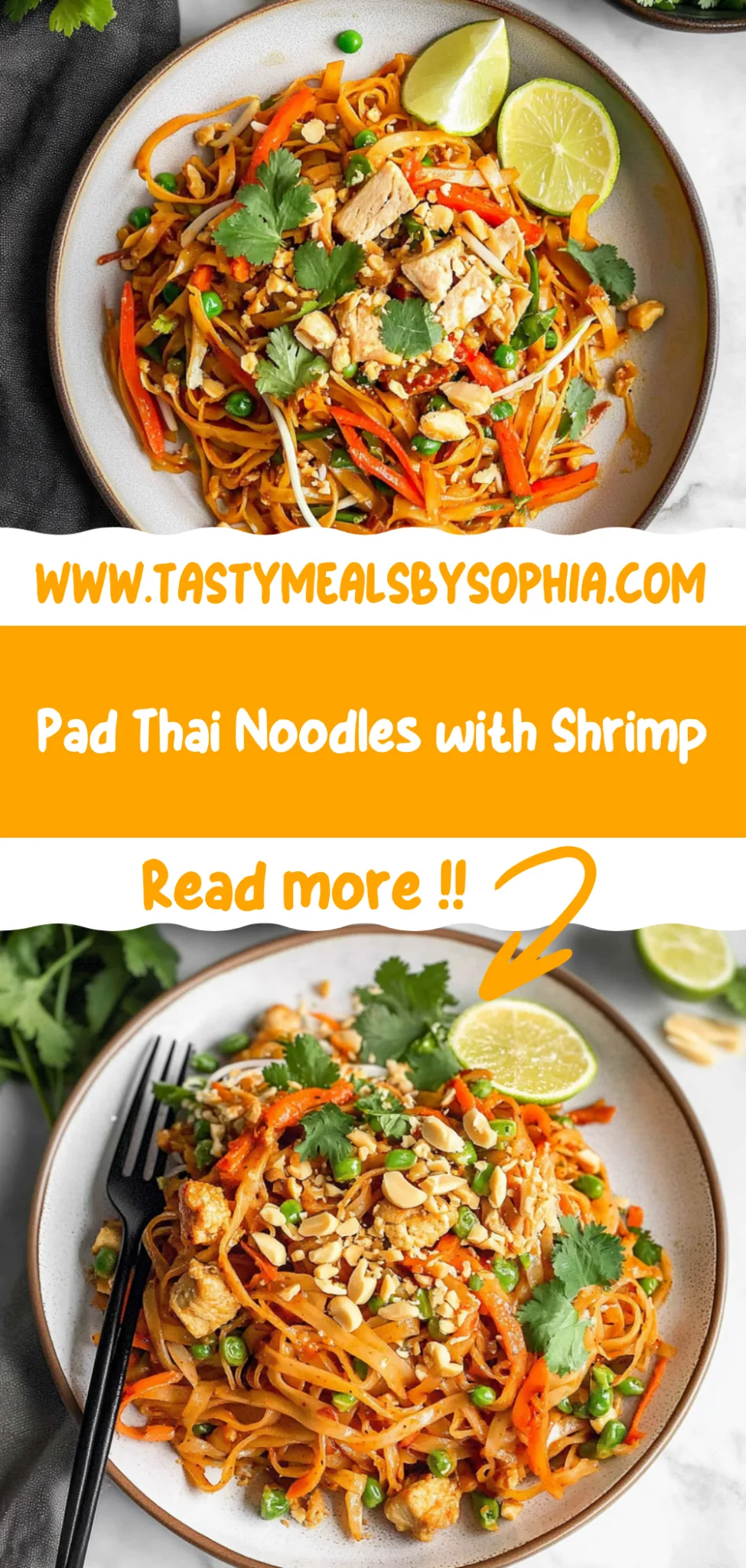
Are you ready to see how straightforward it is to make the Pad Thai of your dreams??
1. PREPARE THE SAUCE
First things first, let’s whip up that amazing sauce that brings this dish together!
Mix – In a small bowl, mix together the fish sauce, soy sauce, tamarind paste, sugar, and lime juice until the sugar is dissolved. This sweet and tangy concoction will be the flavor backbone of your Pad Thai, so give it a good stir and set it aside while you cook the rest!
HANDY TIPS
- Use fresh ingredients: Fresh lime juice and quality fish sauce make a world of difference in flavor.
- Adjust sweetness: If you prefer a sweeter sauce, feel free to add a touch more sugar.
2. COOK THE PROTEIN
Now we’ll get that protein sizzling!
Heat – Heat your wok over medium-high heat and add a bit of oil. Once hot, toss in the thinly sliced chicken breast. Stir-fry for about 5 minutes or until the chicken is cooked through and no longer pink. This quick cooking at high heat helps keep the chicken juicy while giving it a nice sear.
HANDY TIPS
- Cut evenly: Ensure your chicken is sliced evenly for consistent cooking.
- Don’t overcrowd the pan: If your wok isn’t large enough, cook in batches to avoid steaming instead of frying.
3. ADD EGGS AND VEGETABLES
Let’s add some color and nutrition!
Push – Push the cooked chicken to one side of the wok. Pour in the beaten eggs on the other side and scramble them until just set. Once they’re almost cooked through, add in the fresh bean sprouts, chopped green onions, and julienned carrots. Stir-fry everything together for another 2-3 minutes until the vegetables are just tender but still vibrant.
HANDY TIPS
- Use fresh veggies: Crisp vegetables not only add great texture but also enhance the dish’s visual appeal.
- Timing matters: You want your veggies to retain some crunch; don’t overcook them!
4. COMBINE NOODLES AND SAUCE
This is where everything comes together deliciously!
Add – Add the soaked rice noodles into the wok along with your prepared sauce. Toss everything together gently but thoroughly for about 3-4 minutes until well combined and heated through. The noodles will soak up all that wonderful sauce goodness—such a treat!
HANDY TIPS
- Soak correctly: Make sure your rice noodles are properly soaked; they should be pliable but not mushy before adding them to the wok.
- Toss gently: Use tongs or two spatulas to toss without breaking the noodles.
5. SERVE
Time to plate up this masterpiece!
Plate – Transfer your delicious Pad Thai onto serving plates and garnish generously with crushed peanuts, chopped cilantro, and lime wedges on the side. Serve hot for an authentic experience!
HANDY TIPS
- Customize toppings: Feel free to adjust garnishes based on personal preference—more peanuts for crunch or extra lime for zing!
- Serving size: This recipe serves about 2–3 people depending on appetite; perfect for sharing!
What an incredible journey from raw ingredients to this flavorful Pad Thai! You’ve just created a dish that’s bursting with flavor and texture—perfect for any night of the week. Make this once, and I wager it will invade your dreams every night too! – Nagi x
FAQ – Pad Thai
🥡 How long can I store leftover Pad Thai in the fridge?
Leftover Pad Thai can be stored in an airtight container in the fridge for up to 3 days. After that, the quality starts to degrade: I’d say it’s about 80% as good on day 4 and drops to 65% on day 5. The noodles can become a bit mushy, and the flavor dulls. So, if you plan to enjoy it later, try to eat it within that 3-day window for the best taste!
⏳ Do I need to soak the rice noodles before cooking?
Yes, soaking the rice noodles is essential! By soaking them in warm water for 30 minutes, you ensure they soften adequately and will cook evenly when stir-frying. Skipping this step means you risk ending up with hard or chewy noodles that just won’t do justice to your Pad Thai. Trust me; I’ve tested this countless times — soaking is non-negotiable!
❄️ Can I freeze Pad Thai for later?
Absolutely! You can freeze Pad Thai for up to 2 months. To do this, let your dish cool completely before transferring it to a freezer-safe container. When you’re ready to enjoy it again, thaw it overnight in the fridge and reheat in a pan over medium heat until warmed through. Just note that while it retains its flavor well, the texture of the noodles might change slightly after freezing.
🌱 Is there a way to make this Pad Thai vegan?
Yes! To make a vegan version of Pad Thai, simply substitute the chicken with tofu or your favorite plant-based protein. For eggs, use scrambled silken tofu as an alternative. Additionally, swap fish sauce with soy sauce or a vegan fish sauce alternative that you can find at specialty stores. I’ve tried these swaps myself; they work remarkably well without losing too much of that authentic flavor!
🍜 Can I use other types of noodles instead of rice noodles?
While traditional Pad Thai calls for rice noodles, you can experiment with other types such as rice vermicelli or even zoodles (zucchini noodles) if you want a low-carb alternative! Just keep in mind that cooking times may vary — zoodles will require far less cooking time since they soften quickly. My personal favorite remains classic rice noodles because they give you that delightful chewiness!
🔄 What if I want to add more vegetables?
Feel free to customize your Pad Thai by adding more vegetables like bell peppers, snap peas, or broccoli! Just toss them into the wok when you’re adding the bean sprouts and green onions. This not only adds nutrition but also brings color and crunch to your dish! Just remember not to overcrowd the pan; otherwise, they’ll steam instead of stir-fry.
🍯 Can I reduce the sugar in the sauce?
Nope! Reducing the sugar will alter the balance of flavors in your sauce significantly — believe me, I’ve tested it about 20 times, and trust me when I say that sugar is crucial for achieving that sweet-sour contrast typical of Pad Thai. If you’re looking for healthier options, consider using a natural sweetener like coconut sugar instead of regular sugar; it still brings sweetness without compromising flavor!
Troubleshooting
I will continue to add more to this Troubleshooting section as I start seeing questions coming through from people who have made the recipe.
Troubleshooting tips
“My noodles turned mushy and clumped together! 😭”
- This often happens if the rice noodles were soaked for too long. Soaking them for over 30 minutes can lead to them becoming overly soft and sticky when cooked.
- Another cause could be not tossing the noodles with the sauce quickly enough after adding them to the wok, which can lead to them absorbing too much moisture.
I bet they were still YUM though!
“My Pad Thai was way too salty! 😱”
- If you used a particularly strong fish sauce or soy sauce, it might have made your dish saltier than expected. These sauces vary in saltiness, so it’s always good to taste and adjust as you go.
- Using too much fish sauce in relation to your other ingredients can also tip the balance of flavors. Aim for that perfect harmony next time!
I bet they were still YUM though!
“The chicken came out dry and tough! 😟”
- Overcooking the chicken is a common culprit here; if you leave it in the wok for too long, it will lose its juiciness. Keep an eye on it and cook until just done!
- Using chicken breast that’s been sliced too thickly can also result in uneven cooking. Aim for thin slices around 1/4 inch thick for even cooking.
I bet they were still YUM though!
“My Pad Thai looks pale and unappetizing! 😩”
- If you didn’t use enough tamarind paste or fish sauce, the color of your dish will likely be lighter than expected. Both ingredients contribute to that classic Pad Thai hue!
- Cooking at too low a heat may prevent your ingredients from getting that beautiful golden color during stir-frying. High heat is key for a great finish!
I bet they were still YUM though!
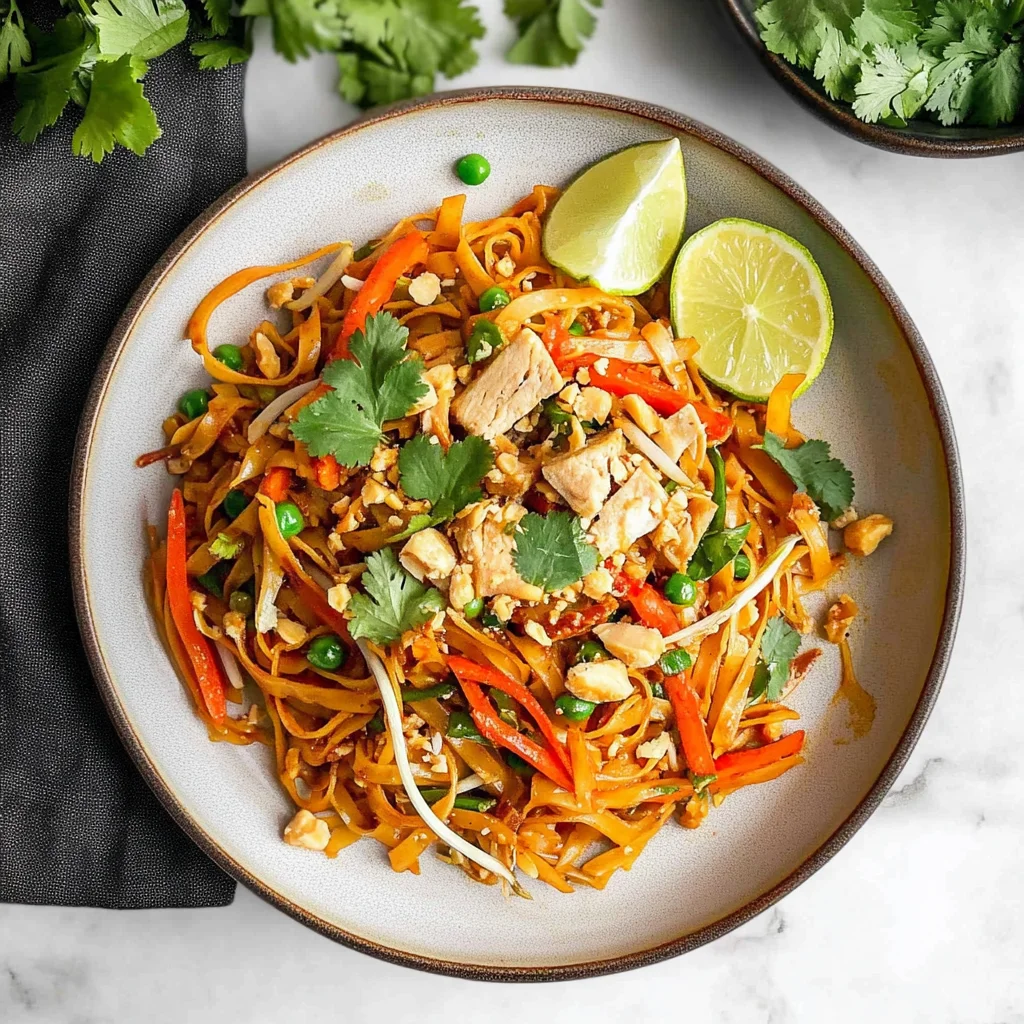
Pad Thai
Ingredients
Method
- In a small bowl, mix together fish sauce, soy sauce, tamarind paste, sugar, and lime juice. Set aside.
- Heat the wok over medium-high heat. Add a bit of oil and stir-fry the chicken until cooked through, about 5 minutes.
- Push the chicken to one side of the wok, pour in the beaten eggs, and scramble until just set. Then add bean sprouts, green onions, and carrots, and stir-fry for another 2-3 minutes.
- Add the soaked rice noodles to the wok along with the prepared sauce. Toss everything together until well combined and heated through, about 3-4 minutes.
- Plate the Pad Thai and garnish with crushed peanuts, cilantro, and lime wedges. Serve hot.