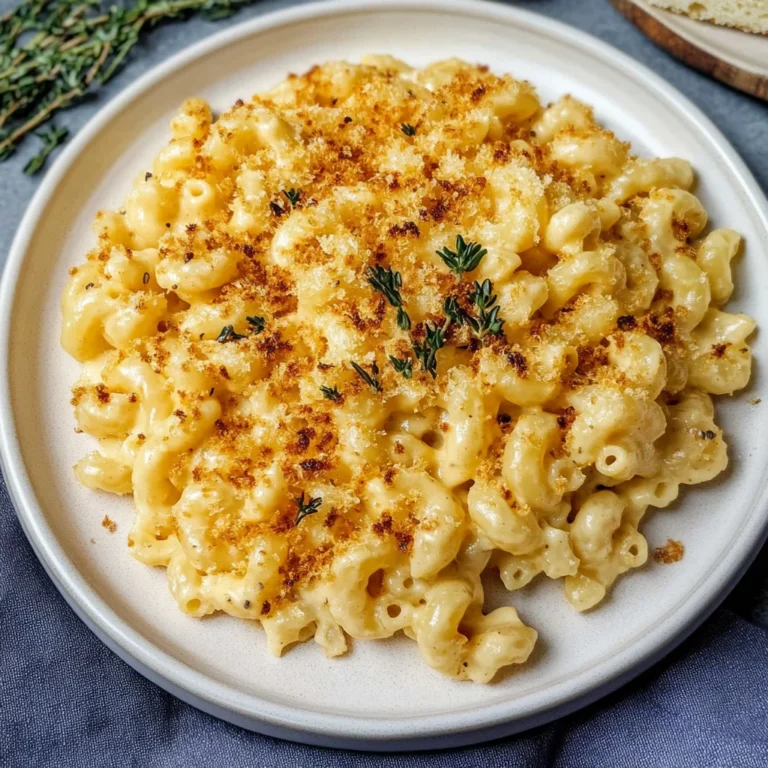
Maple Pecan Sourdough Bread: A Cozy Delight at Home
I first stumbled upon a maple pecan sourdough bread at a quaint little café that had somehow managed to find the perfect balance between cozy and chic. The warm, inviting aroma of fresh bread mixed with the sweet scent of maple syrup drew me in, and I couldn’t resist taking a bite. It was love at first taste! But as I savored each crunchy pecan and sweet note, I realized that recreating this delightful loaf at home would not only save me some cash but also give me the chance to tweak it to my liking — I mean, who doesn’t want a little more pecan goodness in their life?
The journey to perfecting my Maple Pecan Sourdough Bread was no walk in the park, let me tell you! After three rounds of testing (and a few too many loaves that resembled bricks), I finally started to get it right. I aimed for that perfect rise and crumb while ensuring the maple syrup didn’t overpower the natural tang of the sourdough. Spoiler alert: there were definitely moments when I questioned my baking skills — I may have even considered giving up and sticking to store-bought bread! But persistence pays off, folks.
And oh boy, was it worth every bit of flour-covered frustration! The final result is nothing short of spectacular: a beautifully crusty exterior that gives way to a soft, airy interior studded with crunchy pecans. The gentle sweetness from the maple syrup elevates each slice, making it not just perfect for breakfast but an irresistible snack any time of day. I can’t wait for you to try this recipe — trust me, your taste buds are in for a treat!
These Maple Pecan Sourdough Bread are…
….the ultimate breakfast treat that will make your mornings feel extra special!
1. They deliver a sweet, nutty aroma that fills your kitchen while baking, thanks to the pure maple syrup and crunchy pecans. The combination of these ingredients infuses the bread with a delightful sweetness and richness that makes every bite an absolute joy.
2. Expect a perfectly balanced texture with a crispy crust and soft, chewy interior. The high-protein bread flour creates a sturdy structure that allows for an impressive rise, while the chopped pecans add an irresistible crunch that contrasts beautifully with the tender crumb.
3. A key sourdough technique ensures depth of flavor and complexity in every loaf. By using an active and bubbly sourdough starter, I was able to achieve that signature tangy taste which enhances the sweetness from the maple syrup, making this bread uniquely satisfying.
4. This recipe offers incredible value as it allows you to enjoy gourmet-quality bread without breaking the bank. With just a handful of accessible ingredients, including 500 g of bread flour and 100 g of pecans, you can whip up multiple loaves at home for a fraction of the cost of store-bought options.
PS This Maple Pecan Sourdough Bread is best enjoyed fresh out of the oven but also stores well for several days—just remember to toast it lightly for an extra crunchy bite!
What You’ll Need for Maple Pecan Sourdough Bread
Each ingredient in this dish plays an essential role in flavor and texture. Here’s what you’ll need:
500 g bread flour: Provides structure and chewiness to the bread.
350 ml water: Hydrates the flour and helps activate the sourdough starter.
100 g sourdough starter: Introduces natural fermentation for a tangy flavor and airy texture.
10 g salt: Enhances flavor while controlling fermentation and strengthening the dough.
50 ml maple syrup: Infuses a subtle sweetness that complements the nuttiness of pecans.
100 g pecans: Adds a delightful crunch and rich, buttery flavor to each slice.
You MUST Let the Dough Autolyse. Seriously!
I know, I know—taking a 30-minute break might feel like an eternity when you’re itching to bake this Maple Pecan Sourdough Bread. I tried skipping this step once, thinking I could save time, but my dough turned out tough and chewy instead of the soft, airy delight I was hoping for. Lesson learned: don’t rush the process!
So why is this autolyse step so crucial? Think of it as a mini vacation for your flour and water. When they get some time to hang out, the flour absorbs the water fully, allowing proteins to develop gluten more effectively. This means that when we add our bubbly sourdough starter and maple syrup later on, we’ll end up with a beautifully structured dough that can hold all those lovely air pockets—essential for that perfect crumb texture we crave in homemade bread.
What does Autolyse do?
- Improves Gluten Development — The resting period allows the flour to fully hydrate and start developing gluten, resulting in a dough that’s easier to knead and shape.
- Enhances Flavor — Allowing the flour to sit gives enzymes time to break down starches into sugars, enriching the bread’s overall flavor profile.
- Increases Dough Elasticity — A well-autolysed dough will stretch better without tearing, making it easier to shape into a lovely loaf.
- Better Crust Formation — The sugars developed during autolyse help achieve a deeper caramelization during baking, giving you that golden-brown crust we all love.
- Improves Moisture Retention — A hydrated dough holds onto moisture better during baking, leading to a softer interior texture in your final bread.
Different Autolyse Times
- 10 minutes (fair) — Quick hydration; some improvement in gluten but not enough for optimal structure.
- 30 minutes (good) — Ideal for this recipe; allows flour and water to mingle perfectly for improved elasticity and flavor.
- 60 minutes (great) — Starts revealing deeper flavors and enhances dough extensibility even further; can be beneficial if you have time.
- Beyond 60 minutes — Diminishing returns; while still beneficial, too long can lead to overly slack dough that’s hard to handle.
Don’t underestimate the importance of letting your dough autolyse! The most common mistake is rushing through this step or skipping it entirely. Trust me, your Maple Pecan Sourdough Bread deserves better than that!
How to make Maple Pecan Sourdough Bread
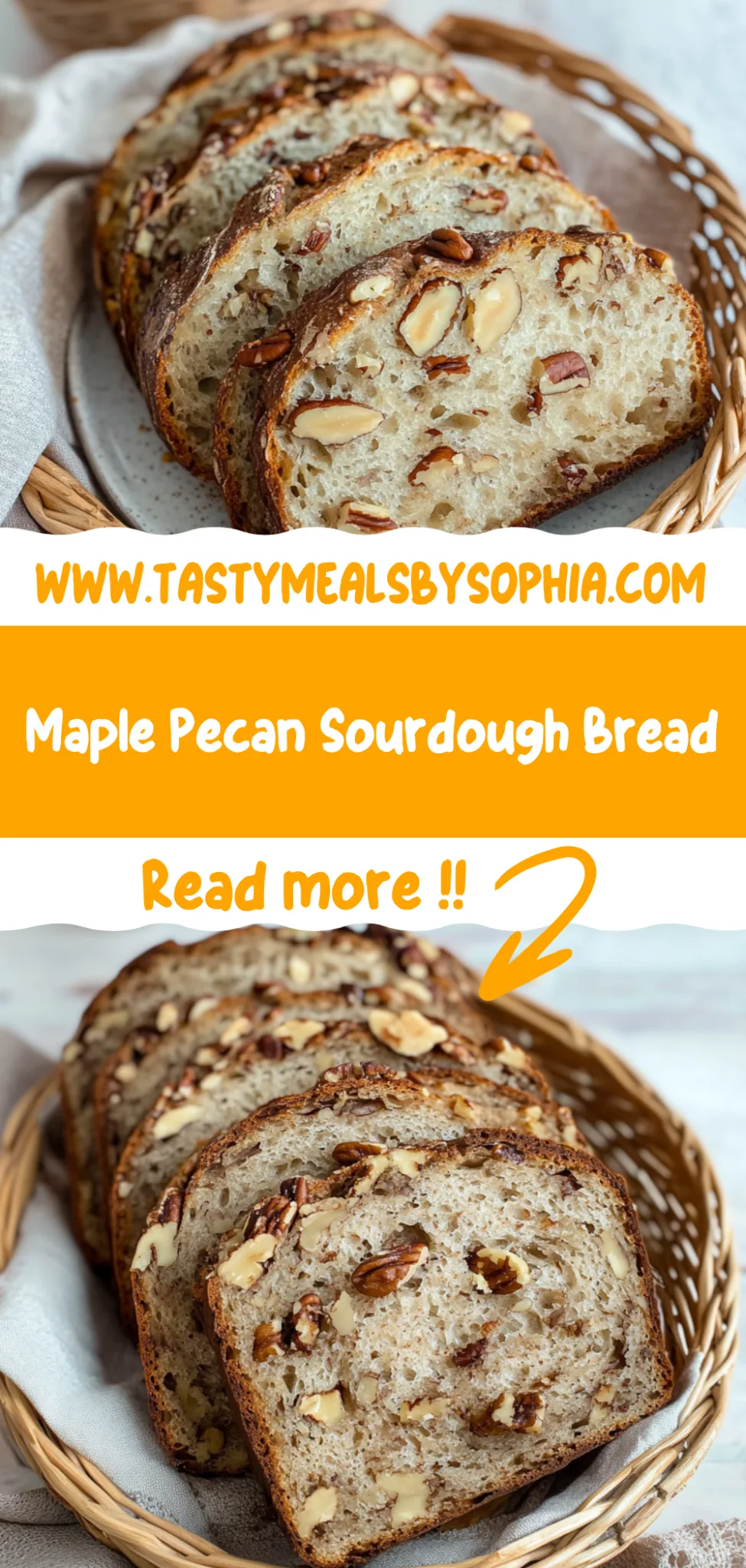
Are you ready to see how straightforward it is to make the Maple Pecan Sourdough Bread of your dreams??
1. PREPARE THE DOUGH
Let’s kick things off by getting our dough ready!
1. Combine – In a large mixing bowl, combine the 500 g of bread flour and 10 g of sea salt, ensuring they are well mixed for even seasoning.
2. Mix Wet Ingredients – In a separate bowl, whisk together the 100 g of active sourdough starter, 350 ml of room temperature water, and 50 ml of pure maple syrup until fully combined and smooth.
3. Combine Wet and Dry – Pour the wet mixture into the dry ingredients and mix with a wooden spoon or your hands until a shaggy dough forms; don’t worry if it looks messy!
4. Rest – Let the dough rest for 30 minutes; this process is called autolyse, and it helps to develop gluten, resulting in better texture.
HANDY TIPS
- Use high-protein bread flour for better gluten formation; this will give your loaf more structure!
- Make sure your sourdough starter is active and bubbly for optimal fermentation.
2. KNEAD AND ADD PECANS
Time to knead that dough and fold in some delicious pecans!
5. Knead – After the autolyse, turn the dough onto a floured surface and knead for about 10 minutes until it becomes smooth and elastic; you can do this by stretching and folding repeatedly.
6. Fold in Pecans – Gently fold in the 100 g of chopped pecans until they are evenly distributed throughout the dough; this adds a delightful crunch!
HANDY TIPS
- If you want an extra nutty flavor, toast the pecans lightly before adding them to the dough.
- Kneading properly will help create that airy structure we’re aiming for!
3. BULK FERMENTATION
Let’s let our dough rise to fluffy perfection!
7. Cover and Rise – Place the kneaded dough back into a greased bowl, cover it with a damp cloth, and let it rise at room temperature for about 3-4 hours; make sure to fold the dough every hour for maximum strength.
HANDY TIPS
- If your kitchen is cooler than usual, consider placing your dough in a slightly warmer area (like near an oven) to encourage fermentation.
- Keep an eye on your dough; it’s ready when it has doubled in size!
4. SHAPE AND PROOF
Now we’ll shape our lovely loaf!
8. Shape – After bulk fermentation, turn the dough onto a floured surface again and gently shape it into a loaf by tucking edges under to form a tight surface on top.
9. Final Proof – Place the shaped loaf into a greased loaf pan and cover it again; allow it to proof for another 1-2 hours until it has risen noticeably.
HANDY TIPS
- For an even prettier loaf, score the top with a sharp blade just before baking!
- Make sure not to rush this final proofing stage—patience is key!
5. BAKE THE BREAD
It’s time for that glorious transformation in the oven!
10. Preheat Oven – Preheat your oven to 220°C (425°F) so it’s hot enough to create that perfect crust on your bread!
11. Bake – Bake the bread for about 40-45 minutes until it’s golden brown on top and sounds hollow when tapped—this signals it’s cooked through!
12. Cool Down – Once baked, let it cool in the pan for about 10 minutes before transferring it onto a wire rack; allowing it to cool completely ensures proper texture.
HANDY TIPS
- For an extra crispy crust, place a pan with water at the bottom of your oven while baking!
- Resist cutting into your bread too soon—let it cool fully so you get those perfect slices later!
You’ve just created something absolutely delicious—Maple Pecan Sourdough Bread! This delightful loaf is not only simple but also bursting with flavor from maple syrup and crunchy pecans—perfect for breakfast or as a snack any time of day. I can’t wait for you to enjoy every slice! – Nagi x
FAQ – Maple Pecan Sourdough Bread
🍞 How long will this bread keep?
This Maple Pecan Sourdough Bread is best enjoyed fresh, but it can last up to 4-5 days when stored properly. I recommend keeping it in a paper bag at room temperature, which helps maintain its crust. After day 2, the quality starts to decrease, and by day 5, it’s about 70% as good—still edible but might be a bit stale. For longer storage, consider freezing it!
⏲️ Can I skip the autolyse step?
No, you cannot skip the autolyse step—I tried it multiple times, and the results were less than stellar! During the autolyse, the flour absorbs water, allowing enzymes to start breaking down proteins and starches. This process improves gluten development and ultimately leads to a better texture in your bread. Trust me; your patience will pay off with a fluffier loaf!
❄️ Can I freeze this sourdough bread?
Absolutely! To freeze Maple Pecan Sourdough Bread, let it cool completely after baking. Then wrap it tightly in plastic wrap or aluminum foil to prevent freezer burn. It can be frozen for up to 3 months. When you’re ready to enjoy it, simply remove it from the freezer and let it thaw at room temperature for about 1-2 hours. You can also pop slices straight into a toaster for a quick warm-up!
🌾 Is there a gluten-free option for this recipe?
Unfortunately, I haven’t found a reliable gluten-free flour blend that yields the same delightful rise and texture as traditional bread flour in this recipe. Sourdough relies heavily on gluten for structure and chewiness. If you’re keen on trying a gluten-free version, you might experiment with a combination of gluten-free flours and xanthan gum, but I can’t guarantee the same results.
🍯 Can I substitute maple syrup with another sweetener?
You can substitute maple syrup with honey or agave syrup if you prefer! However, keep in mind that honey will impart its distinct flavor into the bread. If using granulated sugar instead of liquid sweeteners, use about 30-40% less sugar by weight, and you’ll need to adjust the water content slightly since sugar doesn’t contribute moisture like syrup does.
🤔 Why do I need to fold the dough during bulk fermentation?
Folding during bulk fermentation is crucial for developing strength in your dough without over-kneading it. This technique helps incorporate air into the dough while redistributing gluten strands and moisture. It also aids in fermentation by evenly distributing heat and nutrients throughout the dough—kind of like giving your bread little hugs!
🥜 Can I add other nuts or seeds instead of pecans?
Yes! You can absolutely customize this recipe by using walnuts, almonds, or even sunflower seeds if you prefer something nut-free. Just ensure that if you’re swapping out nuts for seeds or vice versa, you stick close to the 100g measurement so that you maintain balance within your dough’s structure. Happy experimenting!
Troubleshooting
I will continue to add more to this Troubleshooting section as I start seeing questions coming through from people who have made the recipe.
Troubleshooting tips
“My bread is too dense and heavy! 😩”
- You might not have kneaded the dough enough. Proper kneading develops gluten, which gives the bread structure. If your dough isn’t smooth after kneading, it may not rise properly.
- Your sourdough starter may not have been active enough. An inactive or underfed starter can lead to poor fermentation, resulting in a denser loaf.
- You also might have used too much flour when shaping the dough. Excess flour can prevent proper hydration and result in a heavy texture.
I bet it was still YUM though!
“My loaf didn’t rise as much as I hoped! 😟”
- If your dough didn’t rise sufficiently during bulk fermentation, it could be due to a cooler room temperature. Sourdough fermentation is slower in cooler conditions, so try to keep it warm next time.
- Another reason could be that you skipped the folding step during bulk fermentation. Folds help incorporate air into the dough and promote better rise.
- Lastly, if your sourdough starter wasn’t bubbly and active, it won’t provide the leavening power needed for a good rise.
I bet it was still YUM though!
“The crust on my bread is way too dark! 🔥”
- You might have baked your bread at too high of a temperature or for too long. Always keep an eye on your bread and adjust baking time based on how it’s progressing.
- If you used a dark loaf pan instead of a light one, that can cause uneven browning. Dark pans absorb more heat and can lead to quicker browning.
- If you didn’t cover your bread with foil when it started to brown too quickly, the crust may have burnt while the inside was still cooking.
I bet it was still YUM though!
“My pecans are all clumped together! 😩”
- This usually happens when you add them to the dough after it’s been kneaded but haven’t incorporated them well enough. Make sure to fold them in gently but thoroughly so they’re evenly distributed.
- If you chopped your pecans too finely, they might blend into the dough instead of staying as distinct pieces. Aim for a rough chop next time for better texture!
- Additionally, if your dough was too sticky when adding pecans, they may stick together rather than spread out evenly throughout the loaf.
I bet it was still YUM though!