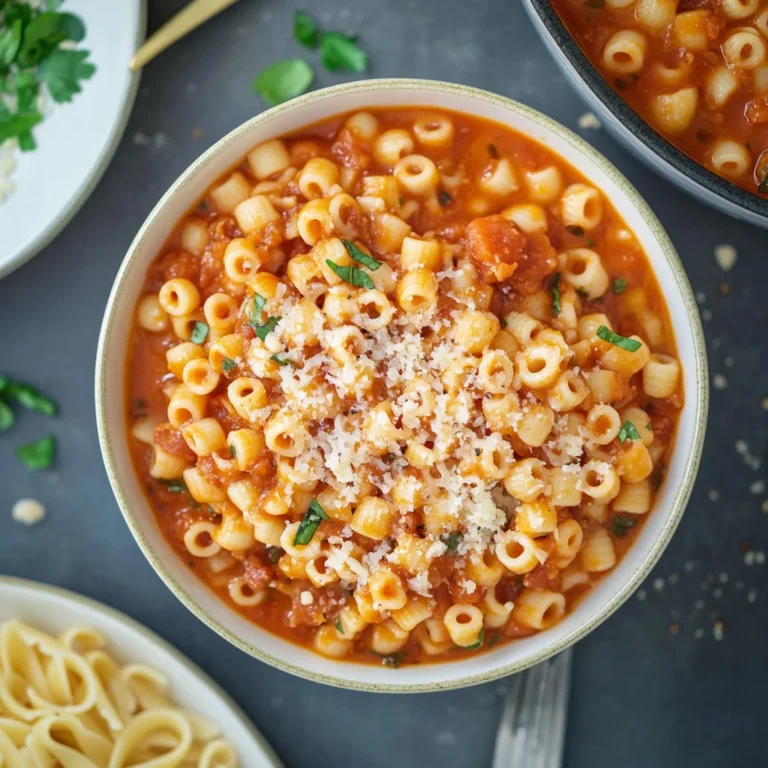
Italian Pastina Soup: Cozy Comfort in a Bowl
I still remember the first time I tasted Italian Pastina Soup at a cozy little trattoria tucked away in a bustling corner of Rome. It was one of those chilly evenings where all you want is a warm hug in a bowl, and this soup delivered exactly that. The combination of tiny pasta swimming in a fragrant broth, paired with tender vegetables, felt like pure comfort. Inspired by that unforgettable experience, I knew I had to recreate this gem at home—especially since my budget doesn’t always stretch to spontaneous trips to Italy!
As with any beloved recipe, my journey to perfecting Italian Pastina Soup wasn’t without its hiccups. After three attempts that ranged from too bland to a pasta explosion that could’ve fed an army, I finally figured out the secret balance of flavors and textures. Each iteration taught me something new, whether it was how to coax out the richness from the broth or the precise moment to add the delicate pastina so it wouldn’t turn into mush. Let’s just say my kitchen looked like a war zone by the end of it!
But oh boy, was it worth every messy moment! The final version is an absolute triumph—a comforting and hearty Italian soup that wraps you in warmth with every spoonful. The tiny pasta has just the right amount of bite, while the vibrant vegetables pop with flavor, creating an irresistible medley that dances on your palate. Trust me when I say this soup is perfect any time of year—whether you’re nursing a cold or just need a pick-me-up. I can’t wait for you to try it; get ready for some serious soul-soothing goodness!
These Italian Pastina Soup are…
…a cozy embrace in a bowl that will warm your heart and soul!
1. They deliver a depth of flavor that’s truly comforting, thanks to the combination of sautéed onions, garlic, and aromatic vegetables. This medley creates a fragrant base that infuses the broth with richness, making each spoonful a delightful experience.
2. Enjoy a perfectly soft texture with a slight bite from the pastina, which cooks quickly and absorbs the delicious broth. This tiny pasta adds an inviting heartiness to the soup while keeping it light and easy to enjoy.
3. The sautéing technique used for the vegetables elevates this soup above ordinary versions. By gently cooking the onions and garlic in olive oil first, you unlock their natural sweetness and depth, creating a flavorful foundation that enhances every ingredient.
4. It’s an incredibly budget-friendly meal that packs a nutritional punch without breaking the bank. Using simple ingredients like vegetable broth and fresh spinach ensures you can whip up this comforting Italian Pastina Soup anytime without fuss or expense.
PS This recipe yields about 6 servings, perfect for meal prep or sharing with loved ones on chilly days!
Ingredients for the Italian Pastina Soup
Each ingredient in this dish plays an essential role in flavor and texture. Here’s what you’ll need:
- 2 tablespoons olive oil: Used for sautéing, it adds a rich depth of flavor.
- 1 medium onion, diced: Provides a sweet base that enhances the soup’s overall taste.
- 2 cloves garlic, minced: Infuses the soup with aromatic warmth and depth.
- 2 medium carrots, diced: Contributes natural sweetness and a pleasant crunch.
- 2 stalks celery, diced: Adds a fresh, crisp texture and balanced flavor.
- 6 cups vegetable broth (or chicken broth): The heart of the soup that brings all ingredients together with savory goodness.
- 1 cup pastina (tiny pasta): Offers a comforting bite that absorbs the soup’s flavors beautifully.
- 1 teaspoon salt: Enhances all the flavors and ties the ingredients together.
- 1/2 teaspoon black pepper: Introduces a subtle warmth that elevates the soup’s complexity.
- 1 cup fresh spinach, chopped: Adds vibrant color and a nutritious boost to each bowl.
- 1/4 cup parmesan cheese, grated (for serving): Provides a salty finish that enriches the overall flavor.
Sautéing the Vegetables is Non-Negotiable. Here’s Why!
I confess: I tried to skip sautéing the vegetables in this Italian Pastina Soup. I thought, “Why not just toss everything into the pot and call it a day?” But after several attempts, I learned the hard way that skipping this step results in a flat, one-dimensional soup that lacks the comforting depth we all crave. So trust me when I say, sautéing is where the magic begins.
This technique is essential because cooking the onions, garlic, carrots, and celery allows them to release their natural sugars and flavors into the oil, creating a rich foundation for your soup. Think of it like toasting spices before adding them to a curry; it enhances their essence and infuses your dish with warmth and complexity. I found that taking just a few extra minutes to sauté transforms dull broth into a vibrant, hearty soup bursting with flavor.
What does sautéing do?
- Flavor — Sautéing caramelizes the onions and vegetables, bringing out their natural sweetness and adding rich complexity that you simply can’t achieve by boiling alone.
- Aroma — The wonderful smell of sautéed garlic and onions wafts through your kitchen, setting the stage for a comforting meal that invites everyone to gather around the table.
- Texture — This step softens the vegetables while still keeping some texture, preventing them from turning mushy once added to the broth.
- Color — Sautéed veggies add visual appeal with golden-brown bits contrasting against the bright green spinach and golden pastina in your soup.
- Umami — The browning process develops deeper umami notes that enhance overall taste, making each spoonful satisfying.
Different sautéing times
- 1 minute (barely acceptable) — The vegetables are slightly warmed but lack any real flavor development; your soup will taste flat.
- 3 minutes (okay) — Some slight browning occurs; you’ll notice an improvement in taste but it’s still not optimal.
- 5 minutes (good) — Onions are translucent and starting to caramelize; flavors begin to meld well but could be better.
- ⭐️ 7–10 minutes⭐️ — Perfect! Onions are golden brown and fragrant while veggies are softened; this is where you want to be for maximum flavor impact.
Be warned: The most common mistake is rushing through or skipping the sautéing altogether. Don’t do it! A quick stir-fry might seem tempting, but without proper time for browning, your soup will end up tasting bland and uninspired. Trust me—this is not where you want to cut corners!
How to make Italian Pastina Soup
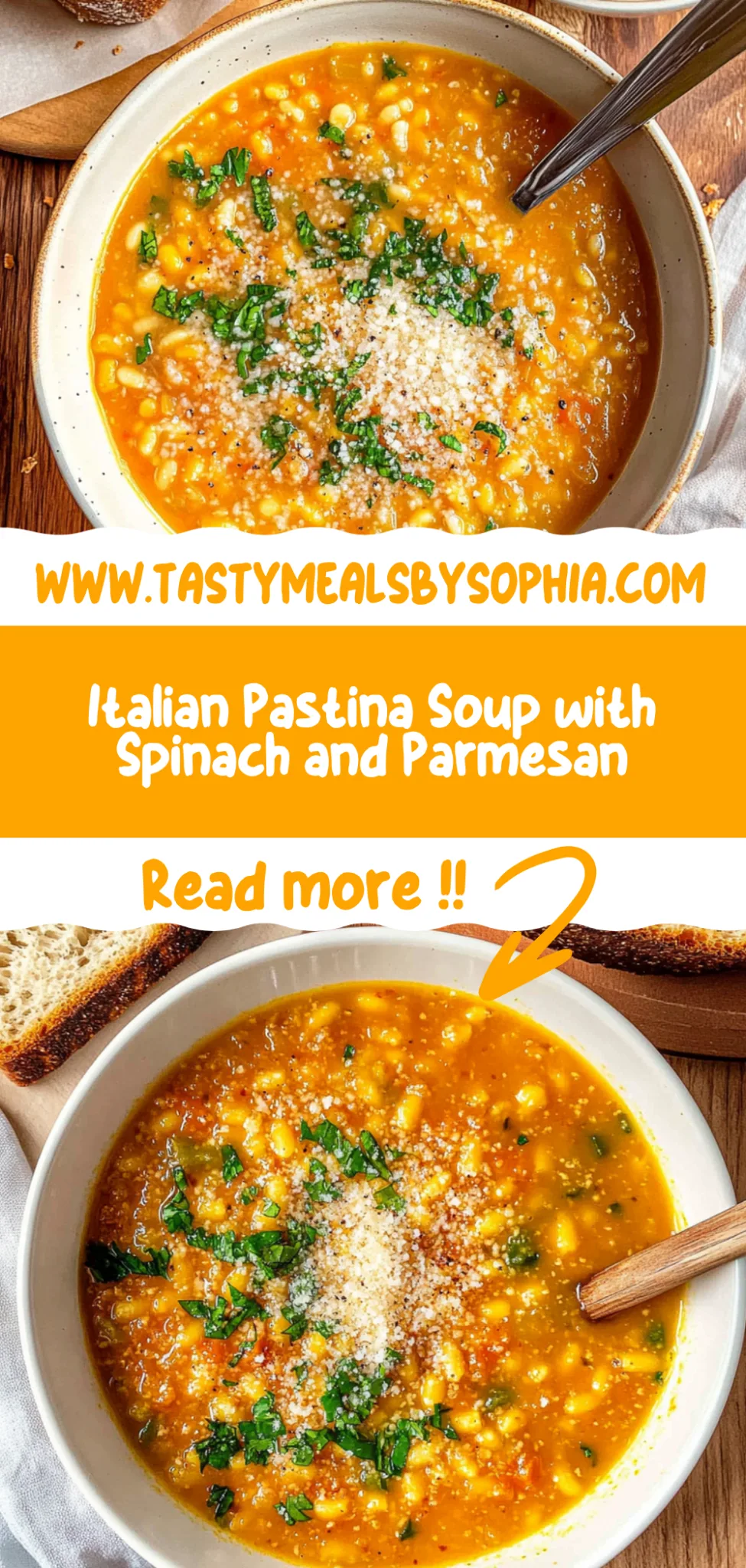
Are you ready to see how straightforward it is to make the Italian Pastina Soup of your dreams??
1. PREPARE THE SOUP BASE
Start by building a flavorful foundation for your soup that will warm your heart!
1. HEAT – In a large pot, heat the olive oil over medium heat until shimmering but not smoking. This creates the perfect environment for sautéing the vegetables, enhancing their flavors.
2. SAUTÉ – Add the diced onion and sauté until translucent, about 5 minutes. You want them to soften and become fragrant, which will form the base of your soup’s flavor.
3. ADD VEGETABLES – Stir in the minced garlic, diced carrots, and diced celery, cooking for another 5 minutes. This step releases wonderful aromas and allows the vegetables to soften nicely.
HANDY TIPS
- 💡 TIP: A larger pot helps in evenly distributing heat, ensuring all vegetables cook uniformly.
- ❓ Why is sautéing important? Because it caramelizes natural sugars in the veggies, adding depth to your soup!
2. COOK THE SOUP
Now it’s time to bring your soup to life with hearty broth and delicious pastina!
4. POUR – Pour in the vegetable broth and bring it to a boil over high heat. This step is crucial as it will meld all those lovely flavors together.
5. ADD PASTINA – Once boiling, add the pastina and cook according to package instructions, usually about 8 minutes. Keep an eye on it; you’ll know it’s done when it’s al dente!
6. SEASON AND STIR – Season with salt and black pepper to taste, then stir in the chopped spinach until wilted, about 1–2 minutes. The vibrant green spinach adds color and nutrition, making this soup not just comforting but healthy too.
HANDY TIPS
- 💡 TIP: If using chicken broth instead of vegetable broth, adjust salt accordingly as chicken broth can be saltier.
- ⚠️ Be cautious with cooking time — pastina can go from perfect to mushy quickly!
3. SERVE
You’ve made it! Now let’s get that delicious soup ready for serving!
7. LADLE – Ladle the soup into bowls and sprinkle with grated parmesan cheese before serving. The cheese adds a lovely salty richness that complements the entire dish beautifully.
HANDY TIPS
- 💡 TIP: Try adding a drizzle of good-quality olive oil on top for extra flavor!
- ❓ Why serve immediately? Because pasta can continue absorbing liquid even after it’s off heat; serving hot ensures you enjoy that creamy texture.
What a delightful journey you’ve taken to create this comforting Italian Pastina Soup! With just a few simple ingredients and steps, you’ve crafted a dish that’s both nourishing and full of flavor—perfect for any day of the year! Enjoy every warm spoonful! – Nagi x
FAQ – Italian Pastina Soup
🌱 Can I make this soup vegan?
Yes, you can easily make this Italian Pastina Soup vegan! Simply substitute the chicken broth with vegetable broth (which is already in the recipe), and omit the grated parmesan cheese or replace it with a vegan alternative. I often use nutritional yeast for a cheesy flavor without dairy. If you’re looking for that extra creaminess, consider adding some coconut milk at the end. Your taste buds will thank you!
🥶 Can I freeze Italian Pastina Soup?
Absolutely! This soup freezes wonderfully. Allow it to cool completely before transferring it to an airtight container or freezer-safe bag. It will keep well in the freezer for up to 3 months. When you’re ready to enjoy it again, thaw it overnight in the fridge and reheat on the stovetop, adding a splash of water or broth if needed. Just remember that pastina may become softer after freezing, but it’s still delicious!
⏲️ How long should I let the soup simmer?
You don’t actually need a long simmer time for this soup! After you add the pastina and bring it to a boil, cook according to package instructions—typically about 8 minutes. The key is ensuring that your vegetables are tender but not mushy, which usually takes about 10 minutes total from when you start cooking them in the pot. Don’t skip this step; it’s essential for developing those comforting flavors!
⚖️ Can I substitute pastina with another type of pasta?
You can definitely substitute pastina with other small pasta shapes like orzo or ditalini if you prefer! Just keep in mind that cooking times may vary slightly depending on which pasta you choose, so check the package instructions. If you’re using larger pasta shapes, simply adjust cooking time accordingly—just ensure they’re al dente before adding the spinach.
🥕 What can I add to customize my Italian Pastina Soup?
The beauty of this soup is its versatility! You can add various vegetables such as zucchini, peas, or bell peppers for added flavor and nutrition. For protein, consider tossing in some cooked beans or shredded chicken right at the end. If you want a bit of spice, a pinch of red pepper flakes works wonders too! Get creative—this is your canvas!
❓ Why do I need to sauté the onion and garlic first?
Sautéing the onion and garlic serves two primary purposes: it enhances their flavors and creates a more aromatic base for your soup. When onions are cooked until translucent (about 5 minutes), they become sweeter and less sharp. Similarly, sautéing garlic brings out its nutty notes while reducing bitterness. Trust me—I’ve tested this many times, and skipping this step just doesn’t yield the same comforting depth of flavor.
🥣 How long does leftover Italian Pastina Soup last in the fridge?
Leftover soup can be stored in an airtight container in the fridge for up to 3-4 days. However, keep in mind that pastina may continue absorbing liquid over time, so when reheating, you might need to add a little extra broth or water to restore its soupy goodness. On day 3, expect it to be about 90% as good as fresh—a solid score if you ask me!
Troubleshooting
I will continue to add more to this Troubleshooting section as I start seeing questions coming through from people who have made the recipe.
Troubleshooting tips
“My soup is too watery! 😩”
- You might have added too much broth or not enough pastina; the pastina absorbs a lot of liquid as it cooks.
- If you don’t let it simmer long enough after adding the pastina, it won’t thicken up properly.
- I bet it was still YUM though!
“My pastina is mushy and overcooked! 😢”
- Overcooking the pastina is a common culprit, especially if you left it in for longer than the package instructions suggest.
- If you added the pastina before the broth reached a full boil, it can lead to a softer texture than desired.
- I bet it was still YUM though!
“My soup looks too pale and unappetizing! 🤔”
- If you didn’t sauté your onions long enough, they may not develop that beautiful golden color that adds to the soup’s appearance.
- Not using enough seasoning can also make your soup look dull and lifeless; remember to taste and adjust!
- I bet it was still YUM though!
“The vegetables are too crunchy! 😬”
- If your carrots and celery aren’t cooked long enough before adding the broth, they can remain too firm even after simmering.
- Make sure to sauté them well initially; they should soften up before you pour in the broth.
- I bet it was still YUM though!
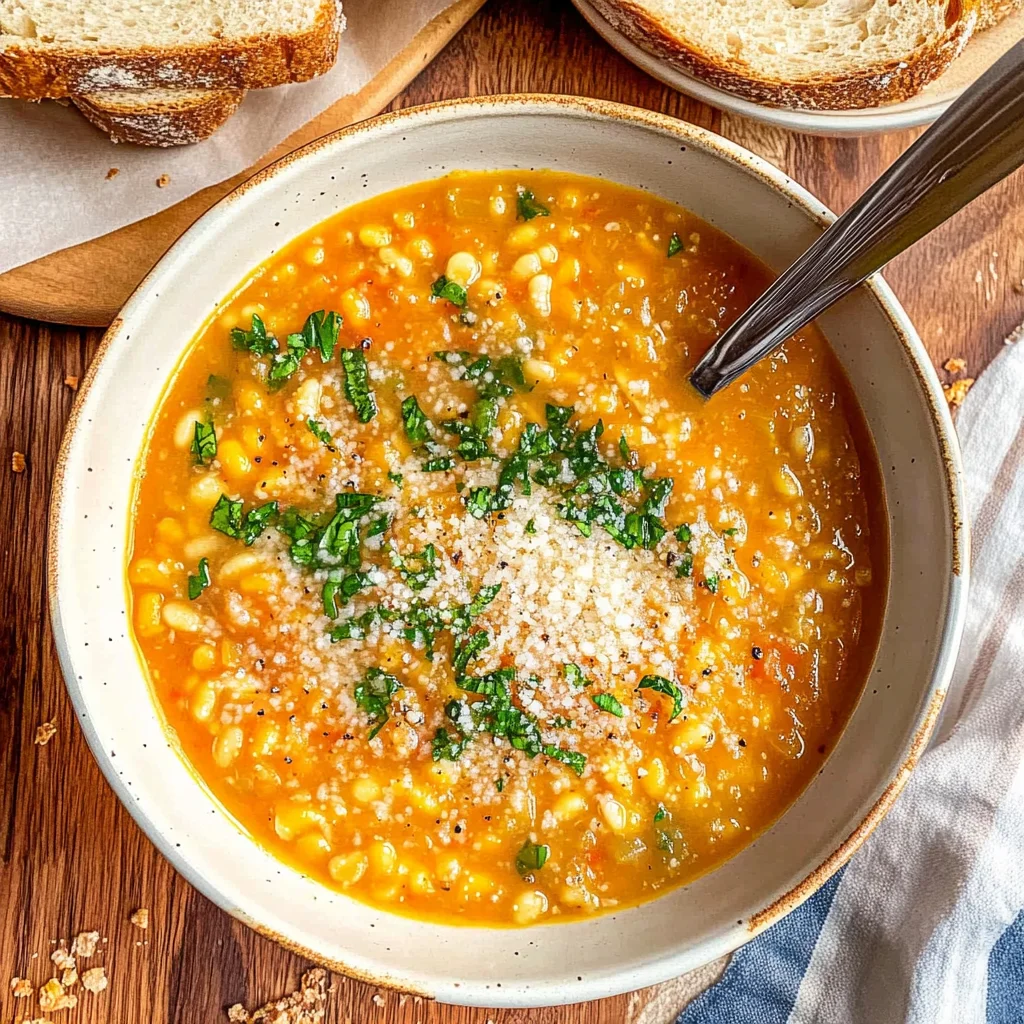
Italian Pastina Soup
Ingredients
Method
- In a large pot, heat the olive oil over medium heat.
- Add the diced onion and sauté until translucent, about 5 minutes.
- Stir in the minced garlic, diced carrots, and diced celery, cooking for another 5 minutes.
- Pour in the vegetable broth and bring to a boil.
- Add the pastina and cook according to package instructions, usually about 8 minutes.
- Season with salt and black pepper, then stir in the chopped spinach until wilted.
- Ladle the soup into bowls and sprinkle with grated parmesan cheese before serving.