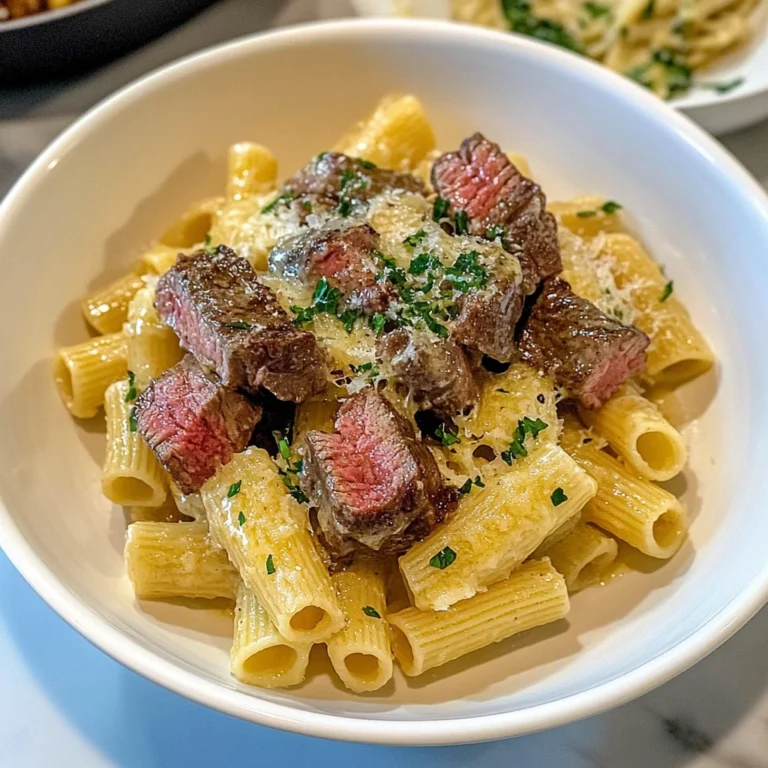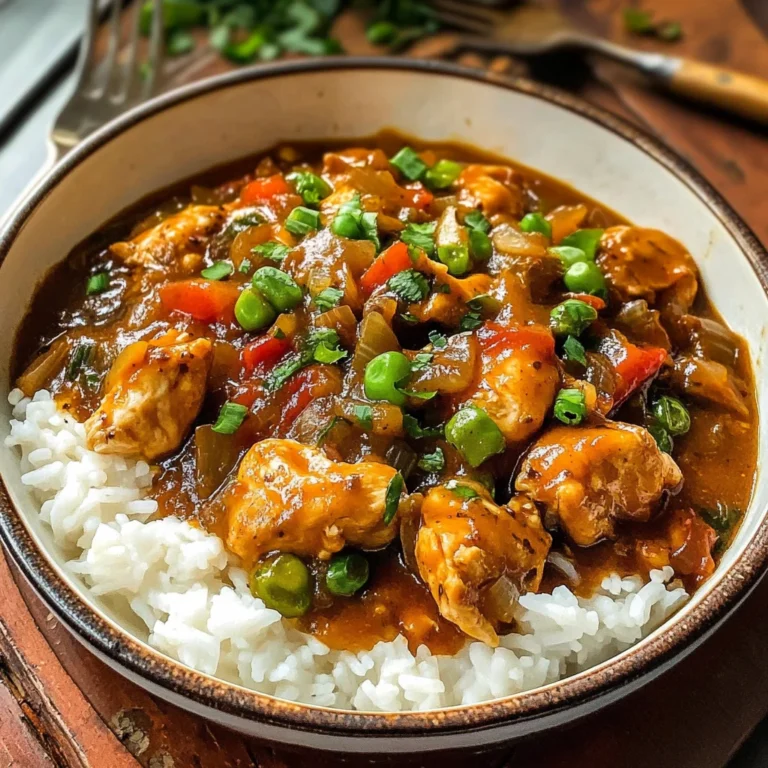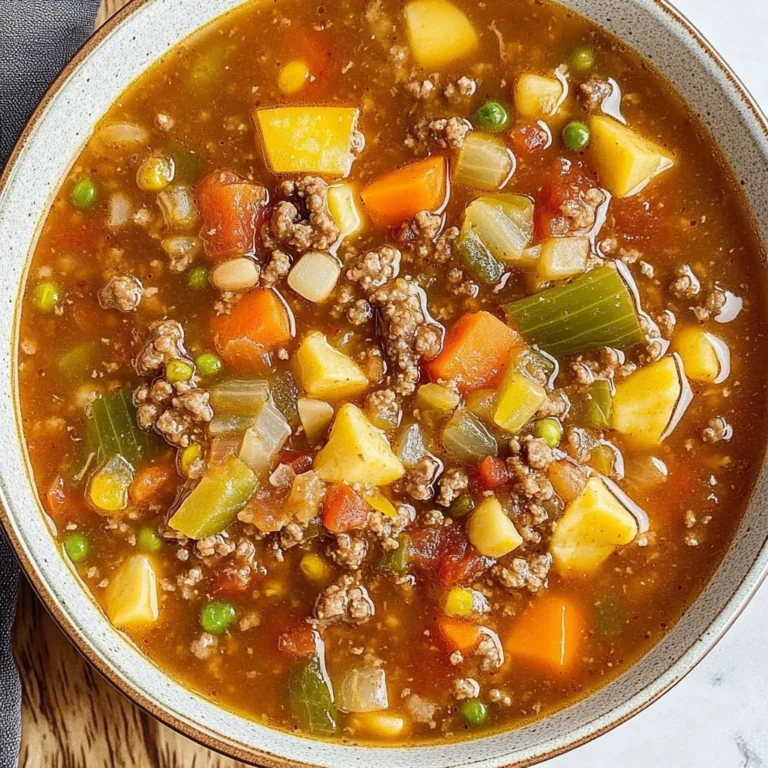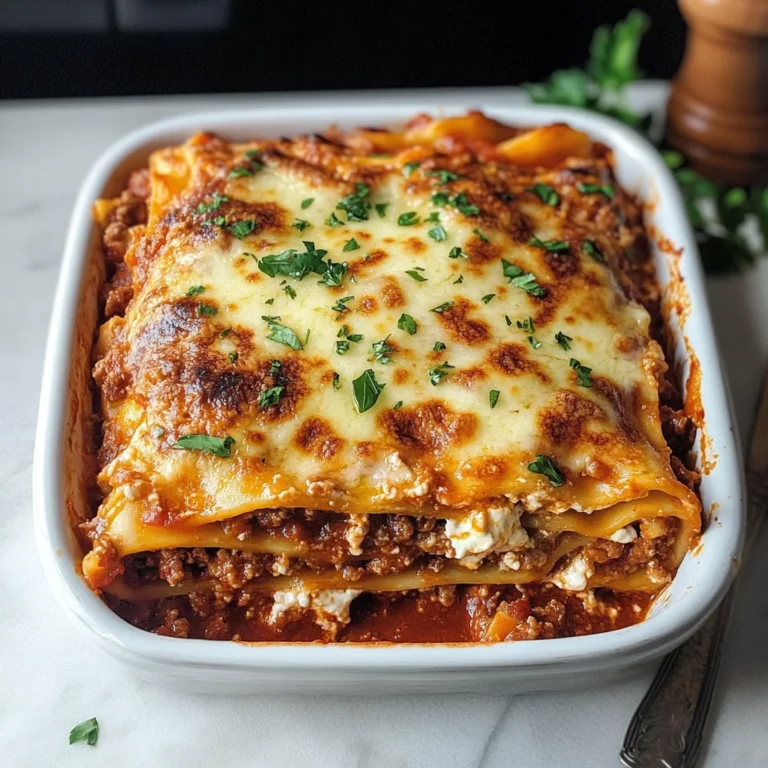
Shrimp Sausage Dirty Rice: A Flavor Explosion Awaits!
I first stumbled upon the idea for Shrimp Sausage Dirty Rice during a trip to a cozy little Cajun restaurant that had this dish as their star attraction. As soon as I took my first bite, I was hooked—the blend of spices, the savory goodness of shrimp and sausage, all mingling beautifully with the rice. I knew right then and there that I had to recreate it at home. Not only was it a bit pricey on the menu, but the thought of having this delightful dish whenever a craving struck was too tempting to resist!
Let me tell you, perfecting this recipe was no walk in the park! It took me about six attempts—and yes, there were a few culinary disasters along the way (let’s just say not all rice is created equal!). My goal with each iteration was to capture that rich, smoky flavor while ensuring the shrimp stayed juicy and tender—not an easy feat when cooking rice! But hey, if at first you don’t succeed, throw more sausage at it, right?
Finally, after what felt like endless experimenting, I nailed it! The Shrimp Sausage Dirty Rice emerged from my kitchen bursting with flavor—think perfectly seasoned sausage mingling with plump shrimp and fluffy rice that absorbs every last drop of spice. It’s hearty enough to satisfy any appetite yet light enough to enjoy on a weeknight. Trust me, once you try this version, you’ll be wondering how you ever lived without it. So grab your apron and let’s get cooking—you’re gonna love this one!
These Shrimp Sausage Dirty Rice are… the ultimate comfort food that brings bold flavors to your dinner table!
1. They deliver an explosion of flavor with every bite, thanks to the perfect pairing of succulent shrimp and smoky andouille sausage. The shrimp adds a sweet brininess that beautifully complements the rich, spicy notes of the sausage, creating a dish bursting with depth and character.
2. Incredible texture – each mouthful is a delightful combination of tender rice, juicy shrimp, and hearty sausage slices. The long-grain rice absorbs all the savory juices, while the shrimp remains plump and firm, ensuring a satisfying chew that keeps you coming back for more.
3. The Cajun cooking technique used in this recipe elevates it beyond typical rice dishes. By sautéing the vegetables and proteins together before adding in the rice and broth, I’ve found it infuses each grain with flavor, making every spoonful taste perfectly seasoned and harmonious.
4. Budget-friendly indulgence – this recipe is not only delicious but also cost-effective compared to dining out. With just a pound each of shrimp and sausage, plus simple pantry staples, you can whip up a generous batch of Shrimp Sausage Dirty Rice that feeds a crowd without breaking the bank.
PS This dish serves about 6 people generously, making it perfect for family dinners or meal prep for the week ahead!
Ingredients for the Shrimp Sausage Dirty Rice
Each ingredient in this dish plays an essential role in flavor and texture. Here’s what you’ll need:
1 lb shrimp, peeled and deveined (preferably large shrimp): Brings a succulent sweetness that complements the spices.
1 lb andouille sausage, sliced (or any smoked sausage): Adds a smoky richness that enhances the overall depth of flavor.
1 cup onion, diced: Provides a savory base that sweetens as it cooks.
1 cup green bell pepper, diced: Contributes a crisp freshness and vibrant color to the dish.
1 cup celery, diced: Adds a subtle earthiness and crunch for texture contrast.
3 cloves garlic, minced: Infuses the dish with aromatic warmth and depth.
2 cups long-grain rice (uncooked): Serves as the hearty foundation that absorbs all the delicious flavors.
4 cups chicken broth (or stock): Imparts rich moisture and enhances the savory profile of the rice.
1 tbsp Cajun seasoning: Delivers bold, zesty notes that define this southern classic.
1 tsp black pepper: Introduces a mild heat that elevates the dish’s overall flavor balance.
1 tsp salt (to taste): Enhances all the other flavors for a well-seasoned result.
1 tsp thyme (dried): Adds an earthy herbaceous note that complements the meat and vegetables beautifully.
2 tbsp olive oil (for cooking): Provides necessary fat for sautéing while adding a touch of fruitiness.
2 tbsp parsley, chopped (for garnish): Brightens the dish with its fresh color and flavor.
You Must Sauté the Vegetables. No Skipping This Step!
I have to confess, I thought I could skip sautéing the vegetables to save time. I mean, it’s just a quick toss in the skillet, right? But after several less-than-stellar batches of Shrimp Sausage Dirty Rice, I learned my lesson the hard way. Trust me, it’s a step you don’t want to miss!
Sautéing the onions, bell peppers, celery, and garlic not only softens them but also unlocks their natural sweetness and deep flavor. It’s like giving them a warm hug before they join the party with the shrimp and sausage! This technique layers in flavors that are essential for creating that rich, savory base that makes this dish so irresistible.
What does sautéing do?
- Flavor development — Sautéing caramelizes the natural sugars in the vegetables, enhancing their sweetness and adding depth of flavor that raw veggies simply can’t offer.
- Texture improvement — Softening the vegetables creates a pleasing contrast with the firm shrimp and sausage, making every bite enjoyable.
- Aromatics activation — Cooking garlic and onion releases their essential oils, creating an enticing aroma that elevates the overall dish experience.
- Color enhancement — Sautéing adds a beautiful golden hue to your vegetables, making your dish visually appealing before it even hits the plate.
- Even cooking — Pre-cooking ensures that all ingredients finish at the same time; undercooked onions or crunchy peppers can ruin an otherwise perfect meal.
Different sautéing times
- 1 minute (good) — Barely enough to heat through; flavors are present but muted and overall texture remains crunchy.
- 3 minutes (better) — Vegetables start to soften; some flavor begins to develop but lacks complexity.
- 5 minutes (great) — Ideal balance; onions are translucent and sweetened while peppers retain a slight crunch for texture.
- 7 minutes (best) — Perfectly caramelized edges create robust flavors that enhance your dirty rice significantly.
Remember: If you skimp on sautéing those vegetables, you risk ending up with a bland dish lacking in depth. Don’t say I didn’t warn you!
How to make Shrimp Sausage Dirty Rice
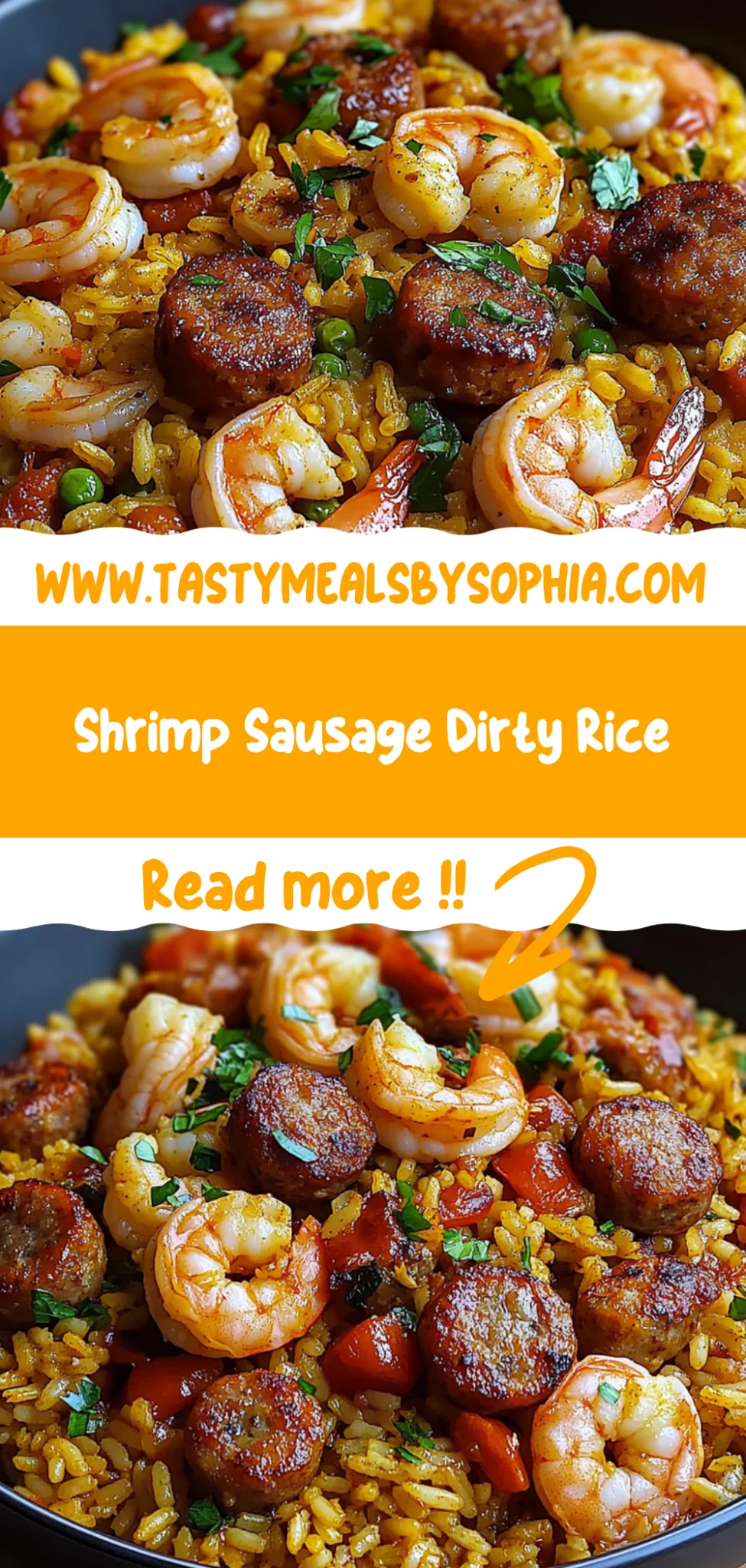
Are you ready to see how straightforward it is to make the Shrimp Sausage Dirty Rice of your dreams??
1. PREPARE THE INGREDIENTS
Start by gathering everything you need for this vibrant dish!
1. Dice – Begin by dicing the onion, green bell pepper, and celery into small, even pieces. This will help them cook evenly and blend seamlessly into the rice. Don’t forget to mince the garlic as well; it adds a wonderful aroma!
2. Slice – Next, take your andouille sausage and slice it into bite-sized pieces. Set this aside for later; you’ll be adding it soon!
HANDY TIPS
- For an extra kick, consider using spicy andouille sausage if you love heat!
- Make sure your vegetables are roughly the same size so they all cook at the same rate.
2. COOK THE SAUSAGE
Now that your ingredients are prepped, it’s time to get some flavor going!
3. Heat – In a large skillet over medium heat, pour in the olive oil and let it warm up for a minute or so. Once hot, add the sliced sausage to the skillet. Cook until it’s nicely browned, about 5 minutes. This step not only adds flavor but also gives a lovely texture contrast with the shrimp later on.
HANDY TIPS
- If you’re using smoked sausage, feel free to experiment with different types like kielbasa or chorizo for varied flavor profiles.
- Keep an eye on the sausage; you want it golden brown, not burnt!
3. ADD VEGETABLES
Let’s build on that delicious base by adding some veggies!
4. Add – Toss in the diced onion, bell pepper, celery, and minced garlic into the skillet with the browned sausage. Sauté these together until the vegetables have softened and become fragrant, about 5-7 minutes. This step enhances their natural sweetness and infuses your dish with rich flavors.
HANDY TIPS
- Use a wooden spoon to scrape up any browned bits from the bottom of the skillet; they add incredible depth of flavor!
- If you love more greens, feel free to throw in some chopped spinach or kale towards the end.
4. ADD RICE AND BROTH
It’s starting to smell amazing—let’s add our grains!
5. Stir – Now stir in the long-grain rice along with Cajun seasoning, thyme, salt, and black pepper until everything is well combined. Then pour in 4 cups of chicken broth and bring this mixture to a boil—this is where all those delicious flavors meld together!
HANDY TIPS
- Make sure to use long-grain rice; it cooks up fluffy rather than sticky.
- You can substitute chicken broth with vegetable broth for a lighter version.
5. SIMMER
Patience pays off as we let this simmer!
6. Reduce – Once boiling, reduce the heat to low, cover your skillet with a lid, and let it simmer gently for about 20 minutes or until the rice is fully cooked and has absorbed all that liquid. The key here is keeping it covered; this traps steam which cooks the rice perfectly.
HANDY TIPS
- Avoid lifting the lid too often while simmering; this can disrupt cooking time!
- If your rice seems too dry after 20 minutes, add a splash more broth or water and give it another few minutes.
6. ADD SHRIMP
We’re almost there—time for those gorgeous shrimp!
7. Stir – Gently fold in your peeled and deveined shrimp into the rice mixture and cook for an additional 5 minutes or until they turn pink and opaque. This step is crucial as overcooking shrimp can lead to rubbery results—nobody wants that!
HANDY TIPS
- For more flavor infusion, consider marinating shrimp briefly in Cajun seasoning before adding them.
- Larger shrimp tend to stay juicier during cooking—go for “jumbo” if available!
7. SERVE
The final touch makes all the difference!
8. Remove – Take your skillet off heat once everything is cooked through, then garnish liberally with freshly chopped parsley before serving hot! This adds not just color but also a fresh burst of flavor.
HANDY TIPS
- Serve with lemon wedges on the side; a squeeze of citrus elevates all those rich flavors beautifully!
- Pair with cornbread or a simple salad for a complete meal experience.
That’s it—you’ve just crafted a delightful bowl of Shrimp Sausage Dirty Rice that’s bursting with flavor in just 45 minutes! Make this once, and I wager it will invade your dreams every night too! – Nagi x
FAQ – Shrimp Sausage Dirty Rice
🥡 How long can I store leftover Shrimp Sausage Dirty Rice?
Leftover Shrimp Sausage Dirty Rice can be stored in the refrigerator for up to 3 days. After that, the quality starts to decline — I’d say it’s about 90% as good on day 4, but you might notice the flavors aren’t as vibrant. To maximize freshness, make sure it’s stored in an airtight container. If you want to keep it longer, consider freezing it!
⏳ Can I skip the resting time after cooking?
No, you cannot skip it! After simmering, the rice needs a bit of time to absorb any remaining liquid and settle into its texture. I recommend letting it rest covered for about 5 minutes before serving. This step makes a significant difference in achieving fluffy rice rather than a mushy mess.
❄️ Can I freeze Shrimp Sausage Dirty Rice?
Absolutely! To freeze, let the dish cool completely and then transfer it to a freezer-safe container or resealable bag. It will keep well for up to 2 months. When you’re ready to enjoy it again, thaw it overnight in the refrigerator and reheat gently on the stove or in the microwave. Just add a splash of chicken broth or water if needed to help loosen it up!
🌾 Is there a gluten-free version of this recipe?
Yes! To make Shrimp Sausage Dirty Rice gluten-free, ensure you use gluten-free sausage (like certain brands of andouille) and check that your chicken broth is gluten-free as well. Most spices are naturally gluten-free, but double-check labels just in case! This way, you can enjoy all the delicious flavors without any worries.
🔄 What can I substitute for the andouille sausage?
If you can’t find andouille sausage or prefer something different, there are plenty of options! You can use:
- Smoked sausage: Any smoked variety will lend a similar flavor.
- Turkey sausage: For a leaner option.
- Vegetarian sausage: For a meatless alternative—just make sure it’s well-seasoned!
I’ve tested this with various sausages, and each version brings its own twist while still being delicious.
🤔 Why do I need to sauté the vegetables before adding rice?
Sautéing the vegetables is crucial for developing their flavors and ensuring they soften nicely before they cook with the rice. It allows them to caramelize slightly and infuse their sweetness into the dish. I’ve tried skipping this step just out of curiosity, and trust me—it’s worth those extra few minutes for that depth of flavor!
🌶 Can I add more spices or other ingredients for extra flavor?
Definitely! This dish is super versatile. You can add extra spices like cayenne pepper for heat or even toss in some chopped tomatoes for added moisture and acidity. If you’re feeling adventurous, consider adding extras like corn or green peas during cooking. Just remember that too many additions might alter cooking times slightly, so keep an eye on your rice!
🦐 Can I use frozen shrimp instead of fresh?
Yes! Using frozen shrimp is perfectly fine and often convenient. Just make sure they are fully thawed before adding them to the dish; otherwise, they can release excess moisture that may affect your rice’s consistency. In my experience, there’s no noticeable difference in taste when using thawed frozen shrimp versus fresh shrimp. Happy cooking!
Troubleshooting
I will continue to add more to this Troubleshooting section as I start seeing questions coming through from people who have made the recipe.
Troubleshooting tips
“My shrimp turned out rubbery! 😭”
- This could be due to overcooking the shrimp, which can happen if you leave them in the skillet for too long. Shrimp cook quickly, and even an extra minute can make them tough.
- Also, if your shrimp were too small, they would cook even faster! Stick to large shrimp as suggested for the best texture.
- I bet they were still YUM though!
“My rice was too mushy and clumpy! 😩”
- This often happens if you added too much broth or didn’t let the rice simmer long enough. The correct ratio is crucial; ensure it’s 2 cups of rice to 4 cups of broth.
- If you stirred the rice too much while cooking, that can also break down the grains and lead to a mushy result.
- I bet they were still YUM though!
“The flavor was off and too salty! 😕”
- You might have used too much Cajun seasoning or salt, especially if your sausage was already salty. It’s always good to taste as you go!
- If your chicken broth is store-bought, check its sodium content; some brands are saltier than others.
- I bet they were still YUM though!
“My sausage didn’t brown properly! 🔥”
- If your skillet wasn’t hot enough when you added the sausage, it wouldn’t sear nicely. Make sure to preheat your pan before adding the olive oil and sausage.
- Also, overcrowding the pan can trap steam instead of allowing it to brown; give them space to caramelize beautifully!
- I bet they were still YUM though!
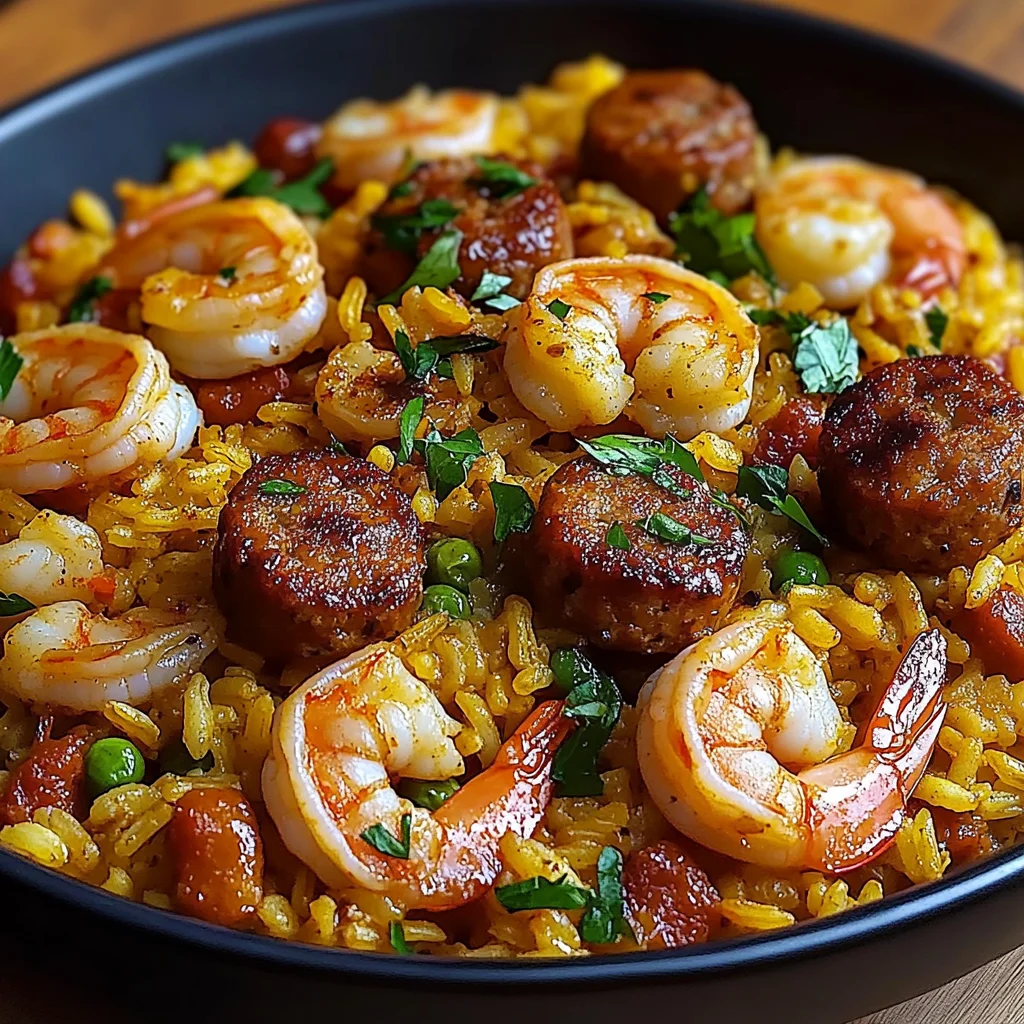
Shrimp Sausage Dirty Rice
Ingredients
Method
- Dice the onion, green bell pepper, and celery. Mince the garlic.
- Slice the andouille sausage and set aside.
- In a large skillet, heat olive oil over medium heat. Add the sliced sausage and cook until browned, about 5 minutes.
- Add the diced onion, bell pepper, celery, and minced garlic to the skillet. Sauté until the vegetables are soft, about 5-7 minutes.
- Stir in the rice, Cajun seasoning, thyme, salt, and black pepper. Pour in the chicken broth and bring to a boil.
- Reduce heat to low, cover, and simmer for 20 minutes or until the rice is cooked and has absorbed the liquid.
- Stir in the shrimp and cook for an additional 5 minutes, or until the shrimp are pink and cooked through.
- Remove from heat, garnish with chopped parsley, and serve hot.