Pasta Fagioli Recipe: Comforting and Flavor-Packed Delight
I still remember the first time I tasted Pasta Fagioli at a little Italian restaurant tucked away in a bustling part of town. The rich aroma of simmering beans and herbs wrapped around me like a warm hug, and with each spoonful, I felt like I was being transported to some charming countryside villa in Italy. After that unforgettable meal, I found myself craving it more often than my wallet could handle. So, I decided it was high time to recreate this comforting dish at home, not just to save a few bucks but to see if I could make it even better than the original.
Let me tell you, perfecting my Pasta Fagioli Recipe turned into quite the culinary adventure! It took me a whopping five attempts before I finally nailed it—each version had its own quirks, from too much salt one time to an overcooked pasta disaster another (let’s just say my kitchen resembled a war zone!). My mission? To balance the flavors beautifully while keeping that delightful heartiness that makes this soup so special. I wanted every bite to be packed with flavor and texture, yet simple enough for any weeknight dinner.
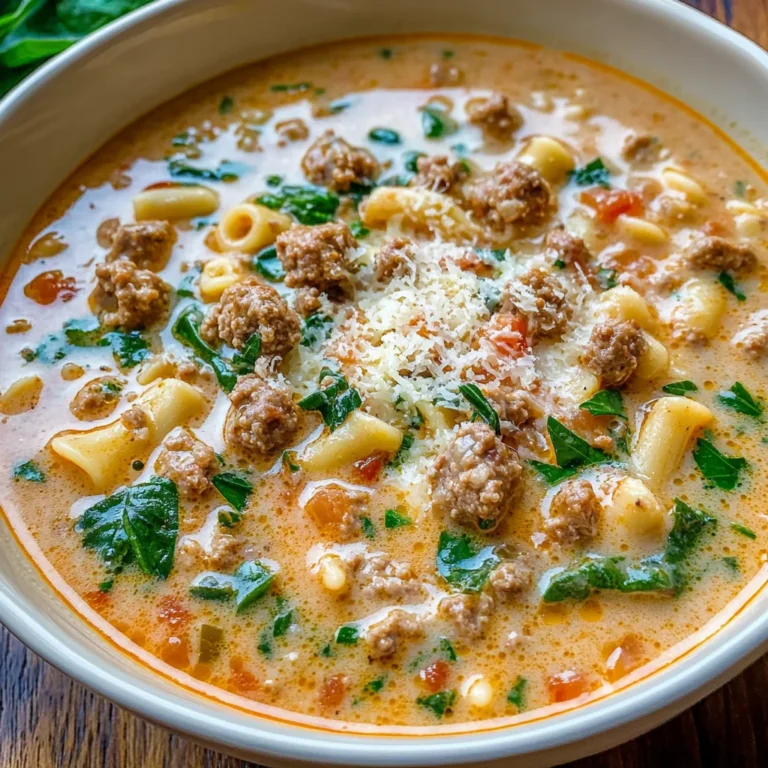
But oh boy, after all that trial and error, the payoff was absolutely worth it! The final result is a bowl of pure comfort—rich broth filled with tender pasta and creamy beans that just hugs you from the inside out. The combination of herbs creates an aromatic symphony on your palate, while the chunky texture offers just enough heartiness to satisfy even the hungriest of bellies. I’m thrilled to share this Pasta Fagioli Recipe with you—trust me, once you try it, you’ll be hooked!
These Pasta Fagioli are….
…a soul-warming delight that brings the heart of Italy right into your kitchen!
1. They deliver an incredible depth of flavor thanks to a harmonious blend of aromatic vegetables like onion, garlic, and celery sautéed in extra virgin olive oil. This base creates a robust foundation that enhances the earthy taste of the cannellini and kidney beans, making each spoonful rich and satisfying.
2. The perfectly tender pasta adds a delightful chewiness that contrasts beautifully with the creamy texture of the beans. Using small pasta such as ditalini allows it to soak up the flavors of the broth while still holding its shape, ensuring every bite is both hearty and comforting.
3. A key technique I swear by is allowing the soup to simmer gently with dried herbs like oregano and basil along with diced tomatoes. This not only infuses the broth with layers of Italian essence but elevates even canned ingredients to a homemade-quality experience that feels truly special.
4. This recipe is a cost-effective gem—with affordable pantry staples like canned beans and pasta, you can whip up a nourishing meal for just a fraction of what you’d pay at a restaurant. Plus, it’s incredibly easy to make in large batches, giving you leftovers that taste even better the next day!
PS This Pasta Fagioli Recipe yields about 6 servings, perfect for feeding a crowd or enjoying as leftovers throughout the week!
Ingredients You’ll Need
Each ingredient in this dish plays an essential role in flavor and texture. Here’s what you’ll need:
1 cup small pasta (such as ditalini or elbow macaroni): Provides a delightful chewiness that complements the soup.
1 can cannellini beans (drained and rinsed): Adds creaminess and a subtle nutty flavor.
1 can kidney beans (drained and rinsed): Offers heartiness and a robust texture to the dish.
2 tablespoons olive oil (extra virgin): Enhances the overall richness while providing depth of flavor.
1 medium onion (diced): Contributes sweetness and aromatic depth when sautéed.
2 cloves garlic (minced): Delivers pungent, savory notes that elevate the dish.
1 medium carrot (diced): Introduces natural sweetness and brightness to balance the flavors.
1 medium celery stalk (diced): Adds a fresh crunch and enhances the soup’s overall flavor profile.
4 cups vegetable broth: Serves as a flavorful base that brings all the ingredients together.
1 can diced tomatoes (with juices): Infuses acidity and richness, enhancing the soup’s body.
1 teaspoon dried oregano: Imparts an earthy, herbaceous note typical of Italian cuisine.
1 teaspoon dried basil: Adds a sweet, slightly peppery flavor that brightens the dish.
1 teaspoon salt (or to taste): Essential for bringing out the natural flavors of all ingredients.
1/2 teaspoon black pepper (or to taste): Provides a mild heat that rounds out the flavors beautifully.
1/4 cup parmesan cheese (grated, for serving): Introduces a salty umami kick that enriches each bowl.
2 tablespoons fresh parsley (chopped, for garnish): Offers a fresh pop of color and a hint of brightness on top.
You Must Sauté the Vegetables. No Exceptions!
I know, I know—sautéing vegetables feels like an extra step that adds time to your Pasta Fagioli preparation. Trust me, I tried to skip it once, thinking I could just throw everything into the pot and let it simmer. Spoiler alert: it was a flavor disaster! I learned the hard way that this technique is non-negotiable for achieving that rich, comforting taste we all crave.
When you sauté the onions, carrots, and celery, you’re not just softening them up; you’re coaxing out their natural sugars and deepening their flavors in a way that transforms your soup. Think of it like caramelizing onions for a French onion soup—those initial few minutes are crucial for building a solid flavor foundation. If you skip this step, you’ll miss out on the sweet complexity that makes every spoonful of your Pasta Fagioli so satisfying!
What does sautéing do?
- Flavor — Sautéing brings out the natural sweetness of onions and carrots, resulting in a depth of flavor that can’t be replicated by boiling.
- Texture — The vegetables become tender yet retain some bite, providing a pleasant contrast to the soft pasta and creamy beans.
- Aroma — The fragrant garlic and sautéed vegetables create an enticing aroma that sets the stage for your meal, making it feel more inviting.
- Color — Sautéing enhances the visual appeal of your soup with golden-brown bits that add warmth and richness to the overall dish.
- Nutrient Release — Cooking vegetables in oil helps dissolve fat-soluble vitamins, making them more accessible for absorption by our bodies.
Different sauté times
- 2 minutes (fair) — The vegetables are barely softened, resulting in a lack of flavor development; not recommended!
- 5 minutes (good) — This is the sweet spot where veggies are softened and flavorful but not caramelized; acceptable if you’re in a rush.
- 7 minutes (better) — A bit more color begins to develop, enhancing both flavor and aroma; if you have time, aim for this!
- 10 minutes or more (best) — The perfect balance of caramelization occurs here; maximum depth of flavor achieved!
Be warned: skipping or rushing through this sautéing step is the most common mistake people make. If you don’t take the time to properly cook those aromatics, you’ll end up with a bland soup that lacks personality—and nobody wants that!
How to make Pasta Fagioli
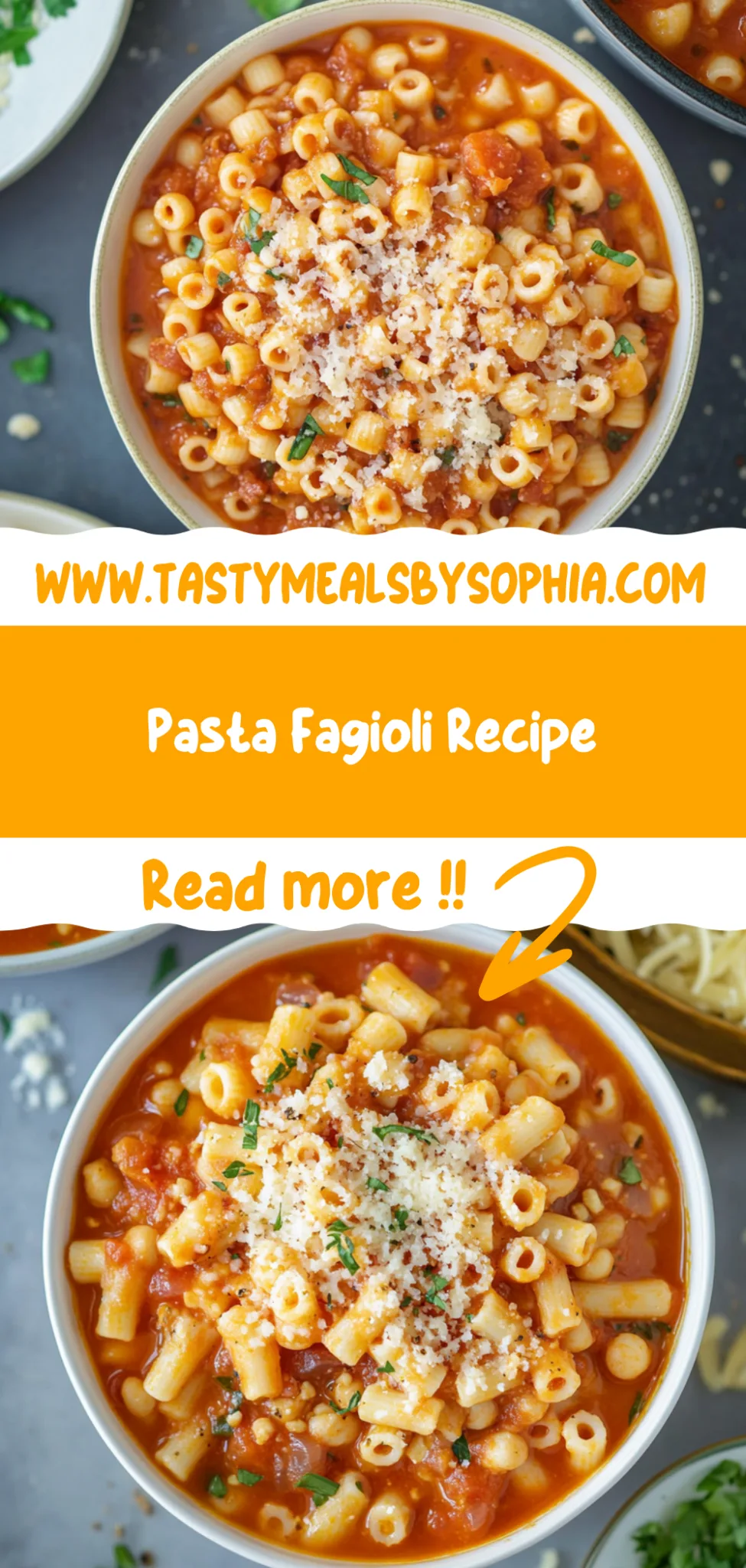
Are you ready to see how straightforward it is to make the Pasta Fagioli of your dreams??
1. PREPARE THE BASE
Let’s get that comforting aroma filling your kitchen!
1. Heat – In a large pot, heat the olive oil over medium heat. You want it just hot enough to shimmer but not smoke.
2. Sauté – Add the diced onion, carrot, and celery, and sauté for about 5 minutes until softened. This trio creates a flavorful base known as soffritto—essential for layering taste!
3. Add Garlic – Add the minced garlic and cook for an additional minute until fragrant. You’ll know it’s ready when your kitchen smells divine!
HANDY TIPS
- Use high-quality extra virgin olive oil; it enhances the flavor of your soup significantly.
- If you prefer a little heat, consider adding a pinch of red pepper flakes when sautéing the vegetables.
2. ADD LIQUIDS AND SEASONINGS
Now we’re bringing all the flavors together!
1. Pour – Pour in the vegetable broth and add the diced tomatoes (with their juices), oregano, basil, salt, and pepper. Stir well to combine all those beautiful ingredients.
2. Simmer – Bring to a simmer, allowing the flavors to meld together for about 5 minutes. You want it to be slightly bubbling but not boiling too vigorously—this will give you a rich depth of flavor!
HANDY TIPS
- For a richer taste, use homemade vegetable broth if you have some on hand—it makes a world of difference!
- Don’t skip on seasoning; tasting as you go will help you find that perfect balance of flavors.
3. COOK THE PASTA
It’s pasta time—let’s get it cooked just right!
1. Add Pasta – Add the small pasta into the pot and cook according to package instructions, usually about 8-10 minutes until al dente. Stir occasionally to prevent sticking; nobody likes clumpy pasta in their soup!
HANDY TIPS
- If you’re using ditalini pasta, it’s great because its shape holds onto sauce beautifully—perfect for this soup!
- Keep an eye on cooking time; overcooked pasta can turn mushy in soup!
4. ADD BEANS AND SERVE
The final touches are what make this dish shine!
1. Stir In Beans – During the last 5 minutes of cooking, stir in the cannellini and kidney beans. They do not need long to heat through but add wonderful creaminess and protein! Adjust seasoning if necessary—taste is key here!
2. Serve Hot – Serve hot, garnished with grated parmesan cheese and chopped parsley for a fresh finish. A sprinkle of cheese adds that irresistible savory touch!
HANDY TIPS
- For an extra touch of flavor, consider drizzling some good olive oil over each bowl before serving—it elevates your dish even further!
- If you like more texture, try adding some freshly cracked black pepper just before serving.
Make this hearty Pasta Fagioli once, and I assure you it’ll become a comforting staple in your home—perfect for chilly evenings or when you need a little warmth in your life! – Nagi x
FAQ – Pasta Fagioli
🥣 How long does Pasta Fagioli last in the fridge?
Pasta Fagioli can last in the fridge for about 3 to 4 days when stored in an airtight container. After that, the quality starts to decline significantly—I’d say it’s around 80% as good on day 5. The pasta may absorb some of the broth and become mushy, which isn’t ideal. If you want to keep it longer, consider freezing it instead!
⏳ Can I skip letting the soup simmer before adding the pasta?
No, you really can’t skip this step! Letting the soup simmer allows all those beautiful flavors from the vegetables and seasonings to meld together. If you skip it, your Pasta Fagioli will taste flat and one-dimensional—trust me, I tried that once and regretted it! Aim for at least a 10-minute simmer before adding the pasta for maximum flavor.
❄️ Can I freeze Pasta Fagioli?
Absolutely! To freeze Pasta Fagioli, let it cool completely before transferring it to freezer-safe containers. I recommend freezing without the pasta if possible, as cooked pasta can become mushy when thawed. You can freeze it for up to 3 months. To reheat, simply thaw overnight in the fridge and warm it gently on the stove, adding a splash of broth or water if needed.
🌱 Is there a way to make this recipe vegan or vegetarian?
Yes! This recipe is already vegetarian since it uses vegetable broth, but to make it vegan, just skip the parmesan cheese garnish or substitute with a vegan cheese alternative. Also, double-check your canned beans and diced tomatoes to ensure they’re not packed with any dairy-based preservatives. I often use nutritional yeast sprinkled on top for a cheesy flavor without dairy—so good!
🍝 What can I substitute for small pasta if I don’t have any?
If you’re out of small pasta like ditalini or elbow macaroni, you have several options:
- Rice: Use about 1/2 cup of uncooked rice; just add it earlier in the cooking process.
- Quinoa: This is another great option; just remember quinoa cooks quickly!
- Zucchini Noodles: If you’re looking for a low-carb option, spiralize zucchini and add it during the last few minutes of cooking.
I’ve tested these substitutes and they work beautifully—in fact, they might even become your new favorite!
🔍 Why do we sauté the vegetables before adding liquids?
Sautéing the vegetables is crucial because it caramelizes their natural sugars and enhances their flavors significantly. This step builds a rich base for your soup that you simply won’t achieve by tossing everything into the pot at once. Trust me; I’ve made this mistake too! Those extra minutes are worth every second when you taste that depth of flavor in your final dish.
🌶️ Can I add other ingredients or customize this soup?
Definitely! Pasta Fagioli is super versatile—you can customize it with different veggies or proteins based on what you have on hand:
- Greens: Add spinach or kale during the last few minutes of cooking.
- Meat: Ground sausage or diced chicken can be browned with onions for added protein.
- Spices: If you like a kick, try adding red pepper flakes or bay leaves during simmering.
Experimentation is part of what makes cooking fun—get creative!
Troubleshooting
I will continue to add more to this Troubleshooting section as I start seeing questions coming through from people who have made the recipe.
Troubleshooting tips
“My soup turned out too watery! 😩”
- You might have added too much vegetable broth. If the broth is not balanced with the pasta and beans, it can dilute the flavors and create a watery consistency.
- Another reason could be that you didn’t allow enough time for the soup to simmer and thicken before serving. Letting it simmer longer can help reduce excess liquid.
- Don’t worry though, I bet it was still YUM despite being a little thin!
“The pasta was mushy and overcooked! 😱”
- This usually happens if you cooked the pasta for too long in the soup. Since it continues to cook once added, stick to the package instructions but keep an eye on it during those last few minutes.
- Using small pasta like ditalini means it cooks quickly, so make sure to set a timer!
- I bet even mushy pasta still brought comfort to your bowl!
“My soup looks too pale and unappetizing! 🤔”
- A lack of color can come from not browning the vegetables enough at the beginning or not using enough flavorful ingredients like diced tomatoes or spices. They add richness and depth of color.
- Consider adding a splash of balsamic vinegar or a bit more seasoning for an extra kick of flavor and color next time!
- Regardless, I’m sure it tasted delicious!
“Why does my soup taste bland? 😕”
- This could be due to insufficient seasoning during cooking; remember to taste as you go! If you added all your salt at once, some areas may not have absorbed enough flavor.
- Additionally, if your broth wasn’t seasoned well enough, that could lead to a lackluster base.
- But hey, I bet with some cheese and parsley on top, it was still pretty tasty!
“The beans were too firm and crunchy! 😩”
- If you didn’t let the beans heat through long enough at the end when adding them to the soup, they might not have softened properly. The last few minutes are essential for warming them up.
- Also, if your beans weren’t fully cooked before using (like if you used dried instead of canned), they won’t soften in just those last minutes of cooking.
- But no worries — I bet they still added some good texture to your meal!
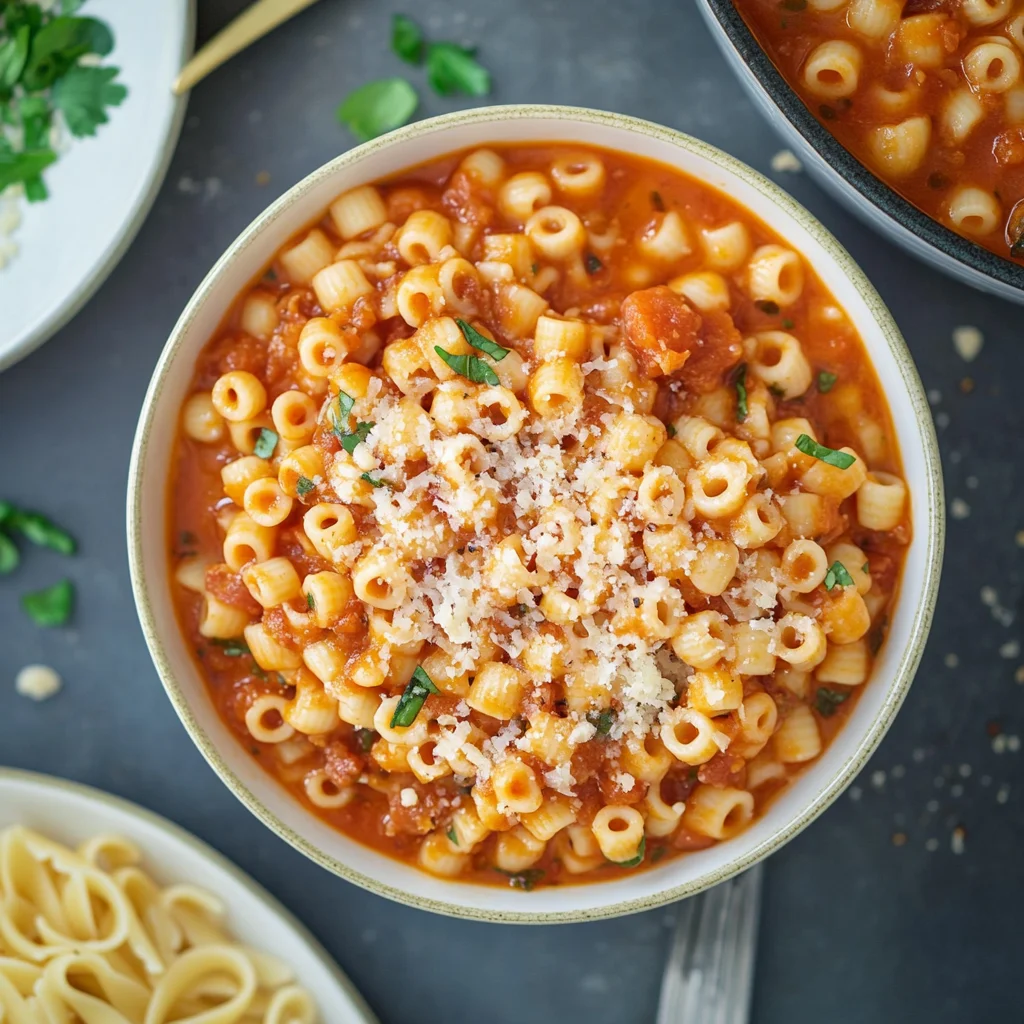
Pasta Fagioli
Ingredients
Method
- In a large pot, heat the olive oil over medium heat. Add the diced onion, carrot, and celery, and sauté for about 5 minutes until softened.
- Add the minced garlic and cook for an additional minute until fragrant.
- Pour in the vegetable broth and add the diced tomatoes, oregano, basil, salt, and pepper. Bring to a simmer.
- Add the small pasta to the pot and cook according to package instructions, usually about 8-10 minutes.
- Stir in the cannellini and kidney beans during the last 5 minutes of cooking. Adjust seasoning if necessary.
- Serve hot, garnished with grated parmesan cheese and chopped parsley.