Maple Dijon Roasted Vegetables: Sweet and Tangy Delight
I’ll never forget the first time I tasted a Maple Dijon Roasted Vegetable dish at a charming little café during a weekend getaway. The combination of sweet maple and tangy Dijon dressing had me hooked from the first bite, and I thought to myself, “I need to recreate this magic at home!” But let’s be honest—eating out can really add up, not to mention the challenge of finding the perfect balance of flavors. So, armed with my obsession for all things roasted and a determination to make it even better than what I had, I set off on my culinary adventure in the kitchen.
Little did I know that perfecting my version of Maple Dijon Roasted Vegetables would turn into quite the saga! After three attempts that resulted in everything from overly soggy veggies to dressing that could only be described as “too much of a good thing,” I finally nailed down what worked. Each iteration was a lesson in patience and perseverance—I was trying to achieve that perfect caramelization while keeping the vegetables tender yet crisp, and let’s just say some of my early attempts were not Instagram-worthy!
But oh boy, was it worth it! The final result is a stunning medley of roasted vegetables tossed in that sweet and tangy maple Dijon dressing, bursting with flavor and texture. Each bite offers a delightful crunch followed by that heavenly blend of sweetness and zing that just makes your taste buds dance. I can’t wait for you to try this recipe—trust me, your dinner table will thank you!
These Maple Dijon Roasted Vegetables are….
…an unforgettable blend of flavors and textures that will elevate your meal to new heights!
1. They explode with a sweet and tangy flavor profile, thanks to the maple syrup and Dijon mustard in the dressing. This delightful combination enhances the natural sweetness of the carrots and balances perfectly with the slight bitterness of the Brussels sprouts, creating a harmonious dish that’s anything but ordinary.
2. Irresistible texture – each bite offers a delightful contrast between tender vegetables and crispy edges. The roasting process caramelizes the outer layers of the bell peppers and onions, providing a satisfying crunch that complements their soft interiors, making every forkful a pleasure.
3. The roasting technique used here is key to unlocking the full potential of these vegetables. By exposing them to high heat, I found that not only do they develop rich flavors, but they also retain their vibrant colors, making for an appealing dish that looks as good as it tastes.
4. Incredible value – you can whip up these Maple Dijon Roasted Vegetables at a fraction of the cost of similar restaurant offerings. With just a handful of affordable ingredients like carrots, Brussels sprouts, and red onions, this recipe is not only budget-friendly but also incredibly accessible for home cooks at any skill level.
PS These Maple Dijon Roasted Vegetables serve about 4 people as a generous side dish. Perfect for family meals or gatherings!
Ingredients You’ll Need
Each ingredient in this dish plays an essential role in flavor and texture. Here’s what you’ll need:
- 2 cups carrots (sliced): Provide a natural sweetness and vibrant color.
- 2 cups brussels sprouts (halved): Add a hearty texture and a slightly nutty taste.
- 1 cup red onion (sliced): Contributes a mild sweetness and depth of flavor when roasted.
- 1 cup bell pepper (chopped): Brings a fresh crunch and bright, peppery notes.
- 3 tablespoons maple syrup: Infuses the dish with a rich sweetness that balances the tanginess.
- 2 tablespoons Dijon mustard: Adds a zesty sharpness that enhances the overall flavor profile.
- 2 tablespoons olive oil: Helps to roast the vegetables evenly while adding richness.
- 1 teaspoon salt (to taste): Enhances all the flavors and brings everything together.
- 1/2 teaspoon black pepper (to taste): Offers a subtle heat that complements the sweetness.
Tossing the Vegetables in Dressing is a Game Changer!
I know, I know—tossing the vegetables in dressing may feel like an extra step you can skip. Believe me, I tried to find a shortcut and ended up with sad, unflavored veggies that tasted more like cardboard than the vibrant side dish I was aiming for. So trust me when I say this: don’t overlook this crucial step!
So why is tossing the vegetables in dressing so important? Think of it like giving your veggies a cozy bath before they hit the oven. The maple Dijon dressing clings to each piece, infusing them with sweet and tangy flavors while helping them caramelize beautifully as they roast. If you go straight to roasting without this step, you risk ending up with bland veggies that lack the rich taste and gorgeous color you’re after.
What does tossing in dressing do?
- Flavour — The sweet maple syrup and zesty Dijon penetrate each vegetable, creating a harmonious blend of flavors that elevate every bite.
- Texture — Coating helps the vegetables develop a crispy exterior while remaining tender inside; think perfectly roasted carrots and brussels sprouts!
- Caramelization — The sugars from the maple syrup promote better caramelization, resulting in beautifully browned veggies that are visually enticing.
- Moisture retention — The dressing forms a barrier that locks in moisture, keeping your vegetables juicy instead of dry during roasting.
- Even seasoning — Tossing ensures that every piece of vegetable is seasoned uniformly, preventing any bland bites amongst the flavorful ones.
Different tossing times
- 1 minute (good) — Quick toss gets some flavor on but isn’t enough for deep infusion; veggies are decent but could be better.
- 3 minutes (better) — A more thorough toss allows flavors to meld; you start to notice improvement in taste.
- 5 minutes (optimal) — Every vegetable piece is well-coated and flavor-infused; this is where things get delicious!
- ⭐️ 10 minutes or longer⭐️ — Best results! The longer they marinate in the dressing, the more intense and balanced their flavor profile becomes.
Beware: The most common mistake people make is not tossing enough! Don’t just give it a quick stir—make sure every piece of carrot, brussels sprout, onion, and bell pepper is generously coated. Skipping this crucial step means risking bland vegetables that won’t live up to their full potential!
How to make Maple Dijon Roasted Vegetables
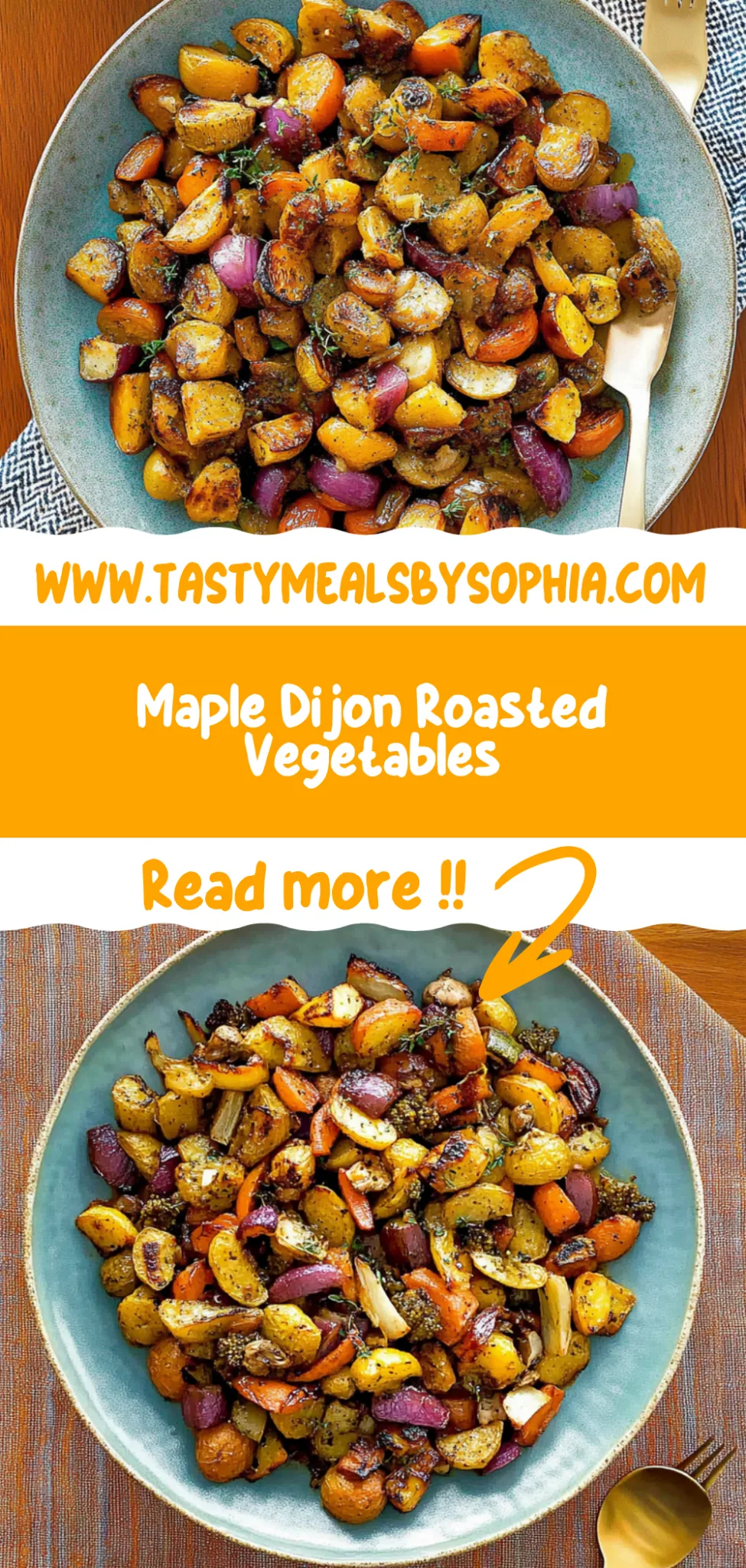
Are you ready to see how straightforward it is to make the Maple Dijon Roasted Vegetables of your dreams??
1. PREPARE THE VEGETABLES
Let’s get those veggies ready for roasting!
Preheat – Preheat your oven to 425°F (220°C). This high temperature will help caramelize the vegetables, giving them a deliciously sweet flavor.
Combine – In a mixing bowl, combine the sliced carrots, halved brussels sprouts, sliced red onion, and chopped bell pepper. Toss them gently to mix; you want to ensure every piece will be coated in that lovely dressing later.
HANDY TIPS
- Choose vibrant, fresh vegetables for the best flavor and color.
- Cut the carrots and Brussels sprouts into even sizes for uniform cooking.
2. MAKE THE DRESSING
This dressing is what makes these veggies sing!
Whisk – In a small bowl, whisk together the maple syrup, Dijon mustard, olive oil, salt, and black pepper until smooth. The combination of sweet and tangy is what takes these roasted vegetables to the next level!
HANDY TIPS
- Adjust the amount of Dijon mustard based on your preference for tanginess.
- Feel free to add a pinch of garlic powder for an extra kick!
3. ROAST THE VEGETABLES
Time to transform those veggies into something magical!
Pour – Pour the dressing over the prepared vegetables and toss well to coat evenly. Make sure every piece is covered; this ensures maximum flavor in every bite!
Spread – Spread the coated vegetables in a single layer on a baking sheet. Avoid overcrowding; if they’re too close together, they’ll steam instead of roast!
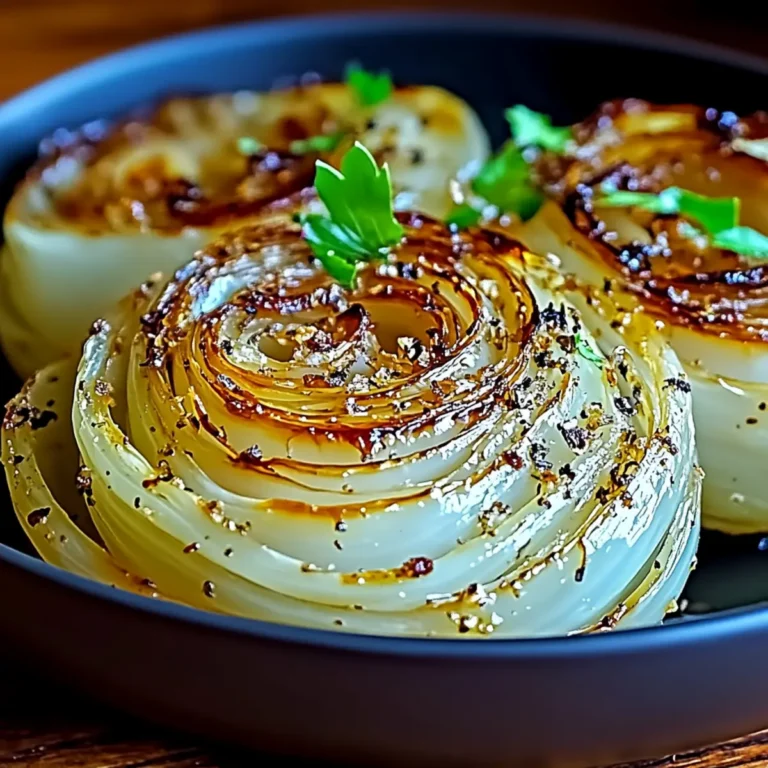
Roast – Roast in the preheated oven for 25-30 minutes, stirring halfway through. You’ll know they’re done when they are tender and beautifully caramelized with golden edges—absolutely irresistible!
HANDY TIPS
- If you like extra crispy edges, give them an additional 5 minutes in the oven.
- Stirring halfway helps achieve even cooking and caramelization.
4. SERVE
The moment we’ve been waiting for!
Cool – Remove from the oven and let cool slightly before serving. This cooling period allows the flavors to settle just right!
Enjoy – Serve your Maple Dijon Roasted Vegetables warm as a delightful side dish that everyone will love.
Make these once, and I wager they will invade your dreams every night too! – Nagi x
FAQ – Maple Dijon Roasted Vegetables
🥕 How long will these roasted vegetables keep in the fridge?
Maple Dijon Roasted Vegetables can be stored in an airtight container in the fridge for up to 4 days. After day 1, I found that they remain about 90% as good; by day 3, they’re around 80%, and on day 4, they drop to about 70%. To maintain their flavor and texture, just reheat them gently in the oven or microwave. ⚠️ Avoid reheating them too long in the microwave as they can become mushy!
⏲️ Can I skip preheating the oven?
No, you cannot skip preheating the oven! Preheating allows the vegetables to roast evenly and develop that lovely caramelization. I tested this several times, and when I skipped preheating, the vegetables turned out unevenly cooked—partly soggy, partly undercooked. For best results, always preheat your oven to 425°F (220°C) before roasting.
❄️ Can I freeze these roasted vegetables for later?
Yes, you can freeze Maple Dijon Roasted Vegetables! Here’s how: allow them to cool completely after cooking, then spread them out on a baking sheet lined with parchment paper and freeze until solid. After freezing, transfer them to a freezer-safe bag or container. They’ll keep well for about 2-3 months. To thaw, simply place them in the fridge overnight or reheat directly from frozen—though keep in mind they may lose some texture!
🌱 Are these roasted vegetables vegan-friendly?
Absolutely! These Maple Dijon Roasted Vegetables are naturally vegan as none of the ingredients contain animal products. The maple syrup adds sweetness without any dairy or eggs. If you’re looking for additional protein or flavors, consider tossing in some chickpeas or edamame before roasting—they would mix beautifully with the vegetables.
🔄 Can I substitute maple syrup with another sweetener?
While I absolutely love using maple syrup for its unique flavor profile, you can substitute it with agave nectar or honey if you’re not strictly vegan (honey is not vegan). However, if you decide to go with agave nectar, use it in a 1: 1 ratio with maple syrup. Just keep in mind that it may slightly alter the taste of your dressing—so don’t be surprised if it’s not quite as delicious! 😅
🤔 Why do I need to toss the vegetables with dressing before roasting?
Tossing the vegetables with dressing ensures that every piece is coated evenly, allowing for better flavor distribution and even cooking. When I skipped this step during my testing phase, certain areas had clumps of dressing while others were dry—definitely not ideal! By thoroughly tossing them together before roasting, you’ll achieve that perfect balance of sweet and tangy maple Dijon goodness throughout.
🍽️ Can I add more veggies or change up what’s included?
Definitely! This recipe is very adaptable. You can add other seasonal vegetables like zucchini, cauliflower florets, or even sweet potatoes for extra sweetness and texture. Just make sure to adjust cooking times as needed since denser veggies like sweet potatoes might take longer to roast than Brussels sprouts or bell peppers. Trust me; variety is an excellent way to keep things exciting!
Troubleshooting
I will continue to add more to this Troubleshooting section as I start seeing questions coming through from people who have made the recipe.
Troubleshooting tips
“My vegetables turned out mushy and overcooked! 😭”
- This can happen if you cut your carrots and bell peppers too small. Smaller pieces cook faster and can become mushy before the other vegetables are done.
- If you didn’t stir them halfway through roasting, some may have cooked unevenly, leading to mushiness in certain areas.
- I bet they were still YUM though!
“The Brussels sprouts were burnt while the carrots were still hard! 🔥”
- Overcrowding the baking sheet can lead to uneven cooking. If the vegetables are too close together, they steam instead of roast, resulting in some burning while others remain undercooked.
- If your oven runs hot or is not properly calibrated, it can cause certain vegetables like Brussels sprouts to char quickly while others take longer.
- I bet they were still YUM though!
“My Maple Dijon Roasted Vegetables look pale and unappetizing! 😩”
- If you didn’t toss the vegetables thoroughly in the dressing, they might not brown well. The sugars in maple syrup help with caramelization, so make sure everything is coated evenly!
- Not roasting at a high enough temperature can also prevent that beautiful golden-brown color. Ensure your oven is preheated properly to 425°F (220°C).
- I bet they were still YUM though!
“Some of my veggies are unevenly roasted! 🤔”
- This is often due to cutting them into different sizes. Carrots and Brussels sprouts should be uniform in size for even cooking; otherwise, smaller pieces will cook faster than larger ones.
- If you didn’t spread them out in a single layer on the baking sheet, they might have steamed instead of roasted, leading to patchy results.
- I bet they were still YUM though!