Japanese Katsu Bowls with Tonkatsu Sauce: Irresistibly Cr…
I fell head over heels for Japanese Katsu Bowls with Tonkatsu Sauce during a trip to my favorite little izakaya. The moment I took my first bite of that perfectly crispy breaded pork cutlet, drizzled with that umami-packed sauce, I knew I had to recreate it at home. Not only was it a delightful culinary experience, but let’s be honest—my wallet appreciated the home-cooked version too! Plus, who doesn’t want to master the art of this comforting classic and make it even better than what I had in that bustling little eatery?
Let me tell you, perfecting this recipe was no walk in the park. I think I went through about five iterations before I finally nailed it—though my friends might argue it was more like ten! Each time, I tweaked the breading, experimented with the frying temperature, and tried to achieve that ideal balance of crunchiness and juiciness. And let’s just say, there were some rather interesting “fails” along the way—like that time I accidentally turned my kitchen into a mini deep-frying disaster zone. But hey, each misstep brought me closer to creating the ultimate Japanese Katsu Bowls with Tonkatsu Sauce!
In the end, all those kitchen mishaps were totally worth it! The final dish is a glorious medley of textures with that golden-brown crispy exterior giving way to succulent pork, all served over fluffy rice that’s generously coated in rich tonkatsu sauce. The flavors are a symphony of savory goodness—a little tangy, a little sweet, and downright addictive! Trust me when I say you’re going to love every bite of this dish as much as I do. So grab your apron and let’s get cooking; you’re in for a treat!
These Japanese Katsu Bowls with Tonkatsu Sauce are…
….the ultimate comfort food that transports you straight to Japan with every bite!
1. They deliver an incredible umami flavor that comes from the perfect blend of tonkatsu sauce ingredients. The combination of ketchup, soy sauce, and Worcestershire sauce creates a rich, savory glaze that enhances the natural taste of the pork loin chops, making each mouthful a delightful experience.
2. Irresistibly crispy texture – each cutlet features a golden-brown crust that encases juicy, tender meat. The use of panko breadcrumbs is key here; they create a lighter, airier crunch compared to regular breadcrumbs, making every bite a satisfying contrast to the softness of the pork.
3. Expert frying technique – I always make sure to use just the right amount of vegetable oil for frying. This method allows for even cooking and prevents the cutlets from becoming greasy, resulting in perfectly cooked katsu that’s both crispy on the outside and juicy on the inside.
4. Affordable homemade goodness – by preparing Japanese Katsu Bowls with Tonkatsu Sauce at home, you’re saving money compared to dining out. With just a few simple ingredients like pork loin chops and pantry staples, you can whip up this delicious meal without breaking the bank.
PS These bowls yield enough for four hearty servings, making them perfect for family dinners or meal prep!
Ingredients for the Japanese Katsu Bowls with Tonkatsu Sauce
Each ingredient in this dish plays an essential role in flavor and texture. Here’s what you’ll need:
- 4 pieces pork loin chops (boneless): The star of the dish, providing juicy and tender meat.
- 1 cup panko breadcrumbs: Creates a light and crispy coating for the pork.
- 1 cup all-purpose flour: Helps the egg adhere to the pork for a perfect breading.
- 2 large eggs (beaten): Binds the breadcrumbs to the pork, ensuring a crunchy crust.
- 1 teaspoon salt: Enhances all the flavors in the breading and meat.
- 1 teaspoon black pepper: Adds a subtle warmth and depth to the seasoning.
- 1 cup vegetable oil (for frying): Necessary for achieving that golden, crispy exterior.
You Must Rinse the Rice. No Shortcuts!
I’ll be honest with you—I thought I could skip rinsing the rice and still end up with perfect katsu bowls. Spoiler alert: I was wrong! After a few too many sticky disasters, I realized that this step truly makes all the difference in achieving that fluffy texture we crave. Trust me, it’s worth the extra time!
Rinsing jasmine rice is essential because it washes away excess starch that can turn your fluffy grains into a gluey mess. Think of it like washing your favorite sweater—if you don’t remove the dirt and grime first, you’ll end up with something far less appealing. In this case, rinsing ensures that each grain remains separate and light, allowing your tender tonkatsu to shine on its bed of perfectly cooked rice.
What does rinsing the rice do?
- Texture — Rinsing removes excess starch, resulting in fluffy grains that don’t stick together.
- Flavor — Cleaner rice allows for a more pronounced flavor from the tonkatsu sauce and seasonings.
- Appearance — Rinsed rice cooks up cleaner, leading to a visually appealing dish that’s inviting.
- Cooking consistency — Ensures even cooking throughout each grain, preventing undercooked or overly sticky bits.
- Digestibility — Reduces phytic acid levels that can hinder nutrient absorption, making your meal healthier.
Different rinsing times
- No rinse (poor) — You’ll end up with gummy rice that clumps together, losing that fluffy texture we aim for.
- 1 minute rinse (acceptable) — Some improvement in texture but still sticky; not quite there!
- 2 to 3 minutes rinse (good) — A noticeable difference in fluffiness, but just a bit more time is needed for optimal results.
- 5 minutes rinse (best) — This is where the magic happens! The rice becomes perfectly fluffy and separates beautifully during cooking.
Don’t make the common mistake of skipping the rinse altogether—trust me, you don’t want to end up with katsu bowls resembling a sticky rice pudding! Your pork cutlets deserve better than being served atop a mushy mess.
How to make Japanese Katsu Bowls with Tonkatsu Sauce
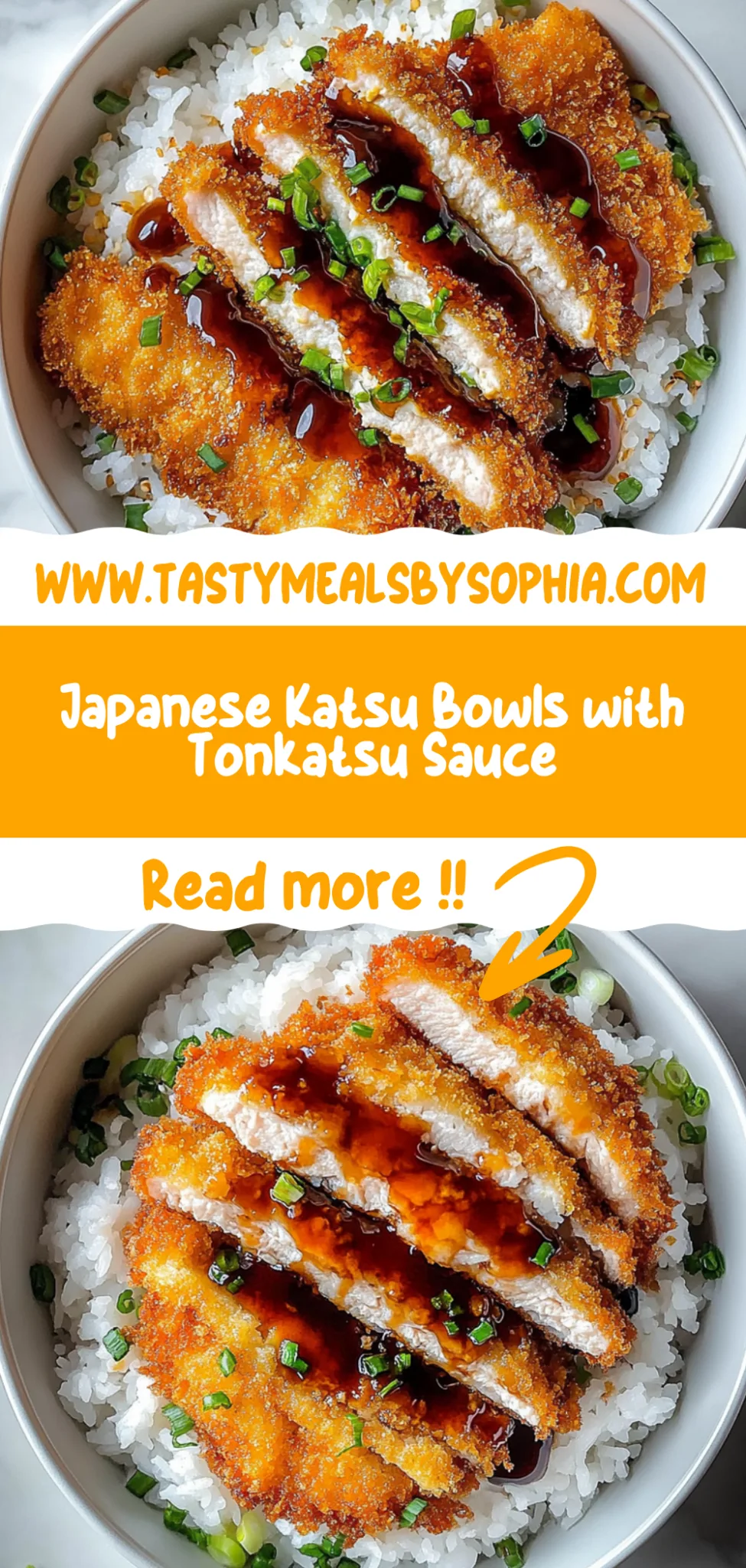
Are you ready to see how straightforward it is to make the Japanese Katsu Bowls with Tonkatsu Sauce of your dreams??
1. PREPARE THE RICE
Let’s get that rice cooking so it’s fluffy and ready for your delicious katsu!
1. Rinse – Rinse the jasmine rice under cold water until the water runs clear. This step helps remove excess starch, ensuring your rice doesn’t become gummy.
2. Cook – Combine the rinsed rice and 4 cups of water in a rice cooker and cook according to the manufacturer’s instructions. Once cooked, fluff the rice with a fork and set aside.
HANDY TIPS
- Use jasmine rice for a fragrant touch; it perfectly complements the savory tonkatsu sauce.
- If you don’t have a rice cooker, you can cook the rice on the stovetop—just bring to a boil, reduce to low heat, cover, and simmer for about 18 minutes.
2. MAKE THE TONKATSU SAUCE
A simple sauce that packs a punch—let’s whip it up!
3. Whisk – In a mixing bowl, whisk together 1/2 cup ketchup, 1/4 cup soy sauce, 2 tablespoons mirin, 1 tablespoon Worcestershire sauce, and 1 tablespoon sugar until well combined. Aim for a slightly thickened sauce that balances sweet and savory flavors.
HANDY TIPS
- You can adjust the sweetness by adding more sugar if desired—it pairs wonderfully with the crispy pork!
- Feel free to make this sauce ahead of time; it keeps well in the fridge for up to a week.
3. PREPARE THE PORK
Time to transform those pork loin chops into crispy cutlets!
4. Pound – Using a meat mallet, pound the pork loin chops to about 1/2 inch thickness. This not only tenderizes the meat but also ensures even cooking. Season both sides with 1 teaspoon salt and 1 teaspoon black pepper.
5. Dredge – Dredge each pork chop in 1 cup all-purpose flour, dip into 2 beaten eggs, and then coat with 1 cup panko breadcrumbs, pressing gently to adhere for that perfect crunch.
HANDY TIPS
- Ensure your panko breadcrumbs are fresh; they’ll give you that unbeatable crispy texture!
- For extra flavor, try mixing some garlic powder or onion powder into your flour.
4. FRY THE TONKATSU
Let’s fry these beauties until they’re golden brown and irresistible!
6. Heat Oil – In a large skillet, heat 1 cup vegetable oil over medium heat until shimmering but not smoking (about 350°F/180°C). This temperature is crucial for achieving that perfect crisp without burning them!
7. Fry – Add the breaded pork chops carefully and fry for about 4-5 minutes on each side or until golden brown and cooked through (internal temp should reach at least 145°F/63°C). Remove from skillet and drain on paper towels.
HANDY TIPS
- Don’t overcrowd the pan; frying in batches ensures each piece gets enough oil contact for even cooking.
- If you notice any browning too quickly, lower your heat slightly to maintain an even golden crust.
5. ASSEMBLE THE BOWLS
The moment we’ve been waiting for—let’s put it all together!
8. Slice & Serve – Slice the cooked tonkatsu into strips and serve over a generous bed of jasmine rice. Drizzle with tonkatsu sauce and garnish with sliced green onions and pickled ginger for an authentic touch.
HANDY TIPS
- Use kitchen scissors for easy slicing of tonkatsu; it helps prevent tearing!
- For added crunch, sprinkle some extra panko breadcrumbs on top before serving!
And there you have it—a deliciously satisfying Japanese Katsu Bowl with Tonkatsu Sauce that’s easier than you might think! Make these once, and I wager they will invade your dreams every night too! – Nagi x
FAQ – Japanese Katsu Bowls with Tonkatsu Sauce
🍚 How long will the katsu bowls keep in the fridge?
The katsu bowls can be stored in the refrigerator for up to 3 days. However, I recommend consuming them within the first 2 days for optimal taste and texture. After that, you’ll notice a decline in quality—around 90% as good on day 3. To store, place the pork and rice in an airtight container to prevent them from drying out.
⏳ Can I skip frying the tonkatsu or make it in advance?
No, you cannot skip frying the tonkatsu! Frying not only cooks the pork thoroughly but also gives it that signature crispy texture we all love. If you’re looking to prep ahead, you can bread the pork chops and refrigerate them for up to 24 hours before frying. Just make sure to cover them well so they don’t dry out.
❄️ Can I freeze leftover katsu?
Yes, you can freeze leftover katsu! After frying, allow the tonkatsu to cool completely, then wrap each piece tightly in plastic wrap and place them in a freezer-safe bag. They’ll stay fresh for up to 3 months. To reheat, simply thaw overnight in the fridge and reheat in a hot oven (about 375°F) until warmed through—this helps maintain their crispiness.
🌾 Can I make this dish gluten-free?
Absolutely! To make a gluten-free version of these katsu bowls, substitute regular flour with gluten-free all-purpose flour and use gluten-free panko breadcrumbs instead of traditional ones. For soy sauce, opt for tamari or a certified gluten-free soy sauce. The flavors will still shine through beautifully!
🥚 What can I use instead of eggs for breading?
If you’re looking for an egg substitute for breading the tonkatsu, you can use a mixture of 1 tablespoon of ground flaxseed mixed with 2.5 tablespoons of water as a binding agent. Let it sit for about 5 minutes until it thickens—this works surprisingly well! Alternatively, unsweetened applesauce or even buttermilk can do the trick.
🔥 Why do I need to pound the pork loin chops?
Pounding the pork loin chops is crucial because it tenderizes the meat and helps ensure even cooking throughout. By flattening them to about 1/2 inch thickness, you reduce cooking time and increase surface area for that delicious crispy coating. Trust me; it makes all the difference when you take that first bite!
🎨 Can I customize my katsu bowls with add-ins?
Definitely! Feel free to get creative with your katsu bowls. You can add steamed vegetables like broccoli or carrots for extra nutrition or swap jasmine rice for brown rice or cauliflower rice if you’re aiming for something lighter. A sprinkle of sesame seeds or some spicy mayo drizzled on top can take your dish to another level too—just have fun with it!
Troubleshooting
I will continue to add more to this Troubleshooting section as I start seeing questions coming through from people who have made the recipe.
Troubleshooting tips
“My tonkatsu turned out too dry! 😭”
- You might have overcooked the pork chops. Cooking them for too long can lead to dryness, especially if you’re frying them at too high a temperature.
- Using pork loin chops that are too thin can also cause them to dry out quickly. Make sure your slices are about 1/2 inch thick as specified.
I bet they were still YUM though!
“The panko coating fell off when frying! 😩”
- If you didn’t press the panko breadcrumbs firmly onto the pork before frying, they may not adhere properly. Make sure to gently press the crumbs into the meat.
- Not letting the breaded pork rest before frying can lead to loose coating. Allow them to sit for a few minutes after breading for better adhesion.
I bet they were still YUM though!
“My tonkatsu is too dark and burnt on the outside! 🔥”
- This often happens if the oil temperature is too high. Keep it at medium heat, so your tonkatsu cooks evenly without burning.
- Alternatively, if you didn’t coat your pork evenly with flour or egg, some parts may brown faster than others, leading to uneven cooking.
I bet they were still YUM though!
“The rice came out mushy and sticky! 🤦♀️”
- You may have used too much water when cooking the jasmine rice. The ideal ratio is 2 cups of rice to 4 cups of water; adjust accordingly based on your rice cooker.
- Not rinsing the rice thoroughly can also lead to excess starch, resulting in mushy rice. Make sure to rinse until the water runs clear!
I bet they were still YUM though!
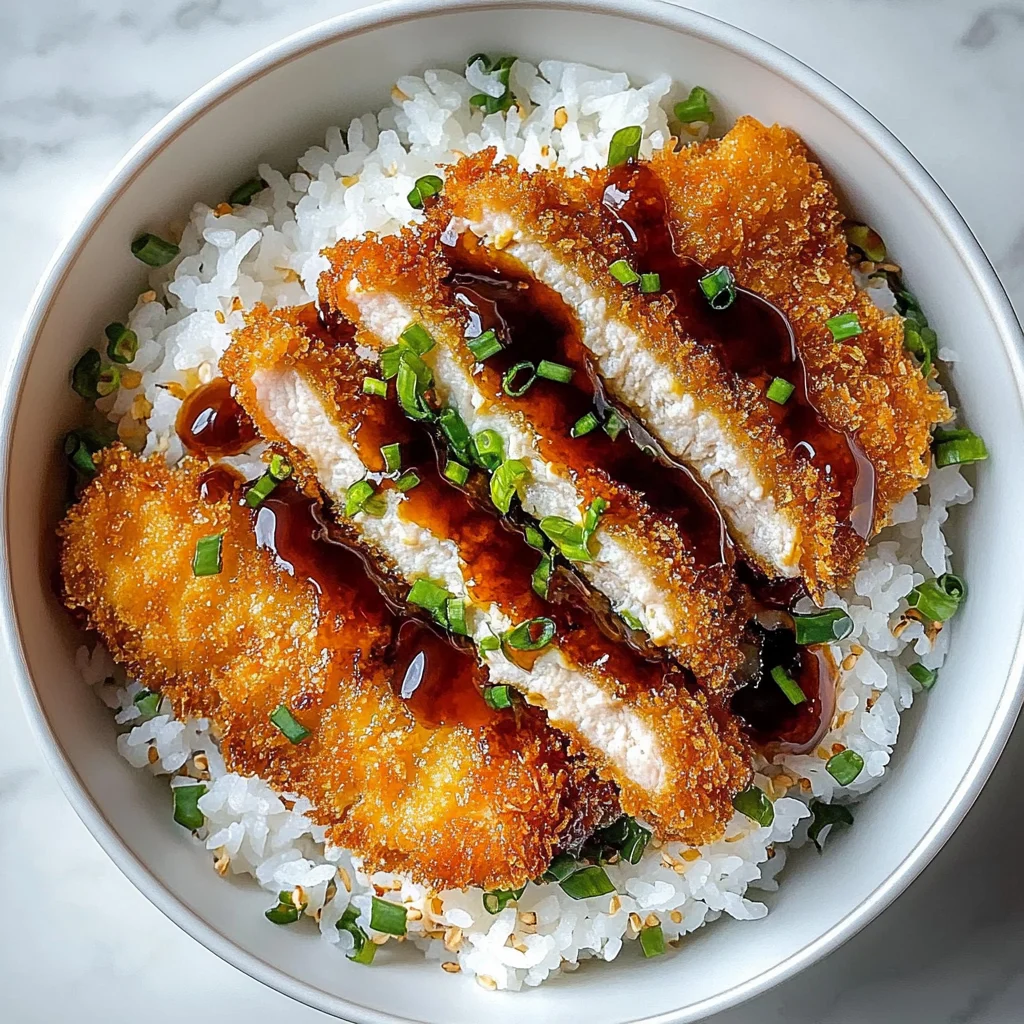
Japanese Katsu Bowls with Tonkatsu Sauce
Ingredients
Method
- Rinse the jasmine rice under cold water until the water runs clear. Combine the rice and water in a rice cooker and cook according to the manufacturer's instructions.
- Once cooked, fluff the rice with a fork and set aside.
- In a mixing bowl, whisk together ketchup, soy sauce, mirin, Worcestershire sauce, and sugar until well combined.
- Using a meat mallet, pound the pork loin chops to about 1/2 inch thickness. Season both sides with salt and pepper.
- Dredge each pork chop in flour, dip into beaten eggs, and then coat with panko breadcrumbs, pressing gently to adhere.
- In a large skillet, heat vegetable oil over medium heat. Once hot, add the breaded pork chops and fry for about 4-5 minutes on each side or until golden brown and cooked through.
- Remove from skillet and drain on paper towels.
- Slice the cooked tonkatsu into strips. Serve over a bed of jasmine rice, drizzle with tonkatsu sauce, and garnish with sliced green onions and pickled ginger.