Beef and Pepper Rice Bowls: Hearty and Flavorful Delight
I first came across the idea for Beef and Pepper Rice Bowls during a late-night craving for something hearty yet vibrant. I had just finished a long week at work and stumbled upon a little takeout place that boasted tender beef, colorful bell peppers, and a sauce that practically sang with flavor. It was one of those meals that felt like a warm hug after a cold day, and I knew I had to recreate it at home. Plus, let’s be honest—it’s way cheaper to whip it up in my own kitchen than to keep giving my hard-earned cash to takeout!
After several attempts—okay, maybe more than I care to admit—I finally nailed this recipe down. I tried everything from overcooking the beef until it was as tough as shoe leather to accidentally turning the sauce into an unintentional science experiment (my smoke alarm didn’t appreciate that). Each round of testing brought me closer to what I envisioned: tender beef that melts in your mouth, crisp bell peppers that pop with color, and a savory sauce that ties the whole dish together beautifully. Spoiler alert: it took me way too long to figure out the perfect balance of flavors!
But oh boy, was it worth it! The final Beef and Pepper Rice Bowls are nothing short of spectacular—just picture those juicy bites of beef alongside crunchy peppers drenched in a rich sauce that makes your taste buds do a happy dance. Not only are they packed with flavor and texture, but they’re also ridiculously quick to make, making them perfect for busy weeknights. Trust me, once you try this recipe, you’ll be wanting seconds (and maybe even thirds)! Happy cooking!
These Beef and Pepper Rice Bowls are….
…a vibrant celebration of flavors that will make your weeknight dinners anything but ordinary!
1. They deliver an explosion of flavor thanks to the combination of tender beef sirloin marinated in soy sauce, ginger, and garlic. This savory blend infuses the dish with a deep umami richness that elevates every bite, making it irresistibly delicious.
2. Enjoy a perfectly balanced texture with succulent beef and crunchy bell peppers. The thinly sliced sirloin cooks quickly, remaining juicy, while the colorful peppers add a delightful crunch that contrasts beautifully with the softness of the jasmine rice.
3. A key technique involves quickly stir-frying the beef at high heat to lock in its juices while creating a slight caramelization on the surface. This method not only enhances the flavor but also ensures that the beef remains tender and flavorful without overcooking.
4. These bowls offer incredible value as they are packed with nutritious ingredients that are easily accessible and budget-friendly. With only a pound of beef sirloin needed, you can serve up hearty portions for the whole family without breaking the bank compared to takeout options.
PS These Beef and Pepper Rice Bowls are ready in just 30 minutes, making them the perfect solution for busy weeknights when you crave something delicious yet simple!
Ingredients You’ll Need
Each ingredient in this dish plays an essential role in flavor and texture. Here’s what you’ll need:
- 1 pound beef sirloin (thinly sliced): Provides tender bites with rich, savory flavor.
- 2 cups bell peppers (sliced (red, yellow, or green)): Adds vibrant color and a sweet crunch.
- 1 medium onion (sliced): Contributes sweetness and depth to the overall taste.
- 2 cloves garlic (minced): Infuses the dish with aromatic warmth and zest.
- 2 tablespoons soy sauce: Delivers a savory umami note that enhances all flavors.
- 1 tablespoon sesame oil: Imparts a nutty richness that elevates the dish.
- 1 teaspoon ginger (grated): Brings a fresh, spicy kick that brightens up the flavor.
- 1 teaspoon black pepper (freshly ground): Adds a subtle heat that rounds out the taste.
- 2 cups jasmine rice: Serves as a fragrant, fluffy base to soak up the delicious sauce.
- 4 cups water: Essential for cooking the rice to perfect tenderness.
- 2 green onions sliced (for garnish): Offers a fresh, crisp finish to each bowl.
- 1 tablespoon sesame seeds (for garnish): Adds a delightful crunch and nutty flavor.
Rinse the Rice — Seriously, Don’t Skip This Step!
I know, rinsing rice sounds like an extra step that takes time, and I was determined to find a shortcut. I tried cooking it without rinsing, thinking, “What difference could it possibly make?” Well, let me tell you—I was wrong! The texture was gummy, and the flavor just didn’t hold a candle to properly rinsed rice. So trust me on this one; you want to rinse your jasmine rice.
Rinsing the rice isn’t just about washing away dust; it’s crucial for achieving that perfect fluffy texture. Think of it like washing your hands before cooking—essential for hygiene! When you rinse jasmine rice under cold water until the water runs clear, you’re removing excess starch. This is what keeps your grains from clumping together and ensures each mouthful of your Beef and Pepper Rice Bowls is beautifully separate and light.
What does rinsing the rice do?
- Texture — Rinsing removes excess starch, resulting in fluffy grains that won’t clump together when served.
- Flavor — By washing away impurities, you enhance the natural nutty flavor of jasmine rice, which complements the savory beef and vegetables.
- Color — Clear water indicates clean rice; this helps maintain its bright white color, making your dish visually appealing.
- Cooking quality — Properly rinsed rice cooks evenly and absorbs flavors better from the beef and sauce.
- Digestibility — Removing some of the surface starch can make the rice easier to digest for a more comfortable meal.
Different rinsing times
- 0 seconds (poor) — No rinsing means starchy clumps; your rice will be gummy and lack flavor.
- 10 seconds (okay) — Quick rinse might remove some surface starch but leaves residual stickiness.
- 30 seconds (good) — Clearer water begins to show; rice is fluffier but still not fully optimized.
- 1 minute (great) — Most excess starch gone; results in a good balance of texture with reasonable fluffiness.
Be warned: if you skip rinsing altogether or don’t rinse long enough, you’ll end up with gummy rice that overpowers your delicious beef sirloin and vibrant bell peppers. Don’t do it! Your Beef and Pepper Rice Bowls deserve better!
How to make Beef and Pepper Rice Bowls
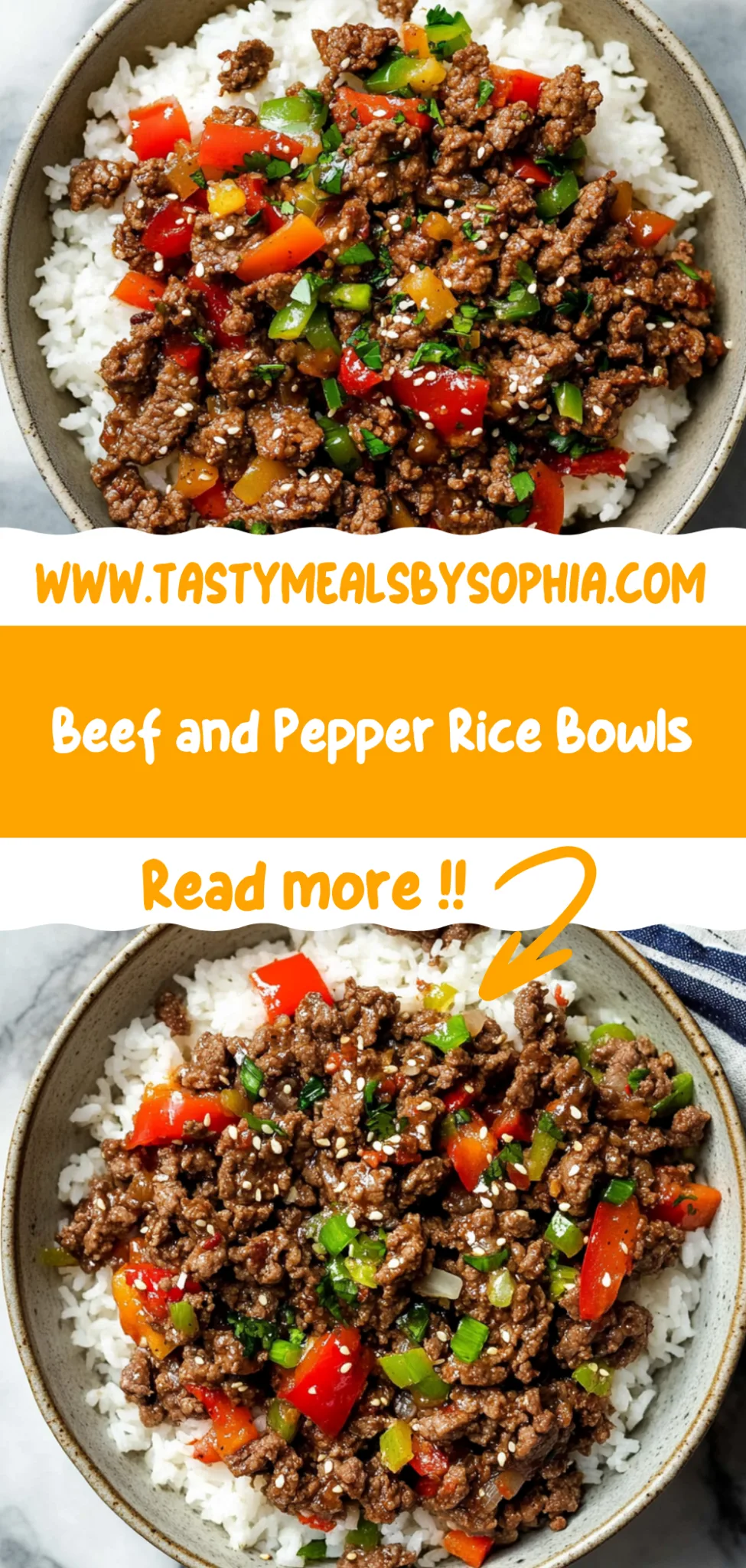
Are you ready to see how straightforward it is to make the Beef and Pepper Rice Bowls of your dreams??
1. COOK THE RICE
Start with perfectly fluffy jasmine rice as the base for your hearty bowl!
1. Rinse – Rinse the jasmine rice under cold water until the water runs clear. This step removes excess starch, which helps prevent the rice from becoming gummy.
2. Combine and Cook – Combine the rinsed rice and 4 cups of water in a rice cooker and cook according to the manufacturer’s instructions. For stovetop cooking, bring it to a boil, then reduce to a simmer for about 15 minutes until all the water is absorbed.
3. Fluff – Once cooked, fluff the rice with a fork and set aside. Fluffing helps separate the grains for a light and airy texture.
HANDY TIPS
- If you have leftovers, store them in an airtight container in the fridge for up to 4 days.
- To reheat, sprinkle a little water over the rice and microwave covered for best results!
2. PREPARE BEEF AND VEGETABLES
This phase brings delightful colors and flavors together in one sizzling skillet!
1. Heat Oil – In a large skillet, heat 1 tablespoon of sesame oil over medium-high heat. This oil adds a nutty flavor that complements the beef beautifully.
2. Cook Beef – Add the sliced beef sirloin and cook until browned, about 5-7 minutes. You want it nice and caramelized for that rich flavor! Make sure not to overcrowd the pan; if necessary, cook in batches.
3. Add Veggies – Add the sliced onion, bell peppers, minced garlic, and grated ginger to the skillet. Stir-fry for an additional 5-7 minutes until the vegetables are tender yet vibrant. The goal is to keep that crunch while they soak up all those delicious flavors!
4. Season – Pour in 2 tablespoons of soy sauce and sprinkle with freshly ground black pepper. Stir well to combine everything and cook for another 2 minutes until heated through.
HANDY TIPS
- For extra flavor, consider marinating your beef in soy sauce for 30 minutes before cooking!
- If you prefer more spice, toss in some red chili flakes or sliced jalapeños when adding the vegetables.
3. ASSEMBLE BOWLS
Time to bring everything together into mouthwatering individual bowls!
1. Divide Rice – Divide the cooked rice among four bowls evenly, about half a cup each.
2. Top with Beef Mixture – Top each bowl generously with the beef and vegetable mixture, ensuring everyone gets plenty of those colorful peppers!
3. Garnish – Garnish with sliced green onions and sesame seeds before serving for that perfect finishing touch!
HANDY TIPS
- Feel free to add other toppings like avocado or pickled ginger for an extra layer of flavor.
- This recipe scales easily—just multiply by two if you’re feeding a crowd!
Make these flavorful Beef and Pepper Rice Bowls once, and I promise they will become a regular in your weeknight dinner rotation! Happy cooking! – Nagi x
FAQ – Beef and Pepper Rice Bowls
❓ How long will the leftovers keep in the fridge?
Leftovers of the Beef and Pepper Rice Bowls can be stored in an airtight container in the fridge for up to 3 days. After that, I find the quality drops significantly—about 80% as good on day 4. To ensure the best flavor and texture, it’s best to consume them within this time frame. If you’re unsure about any leftovers, always give them a sniff test before reheating!
⏳ Can I skip rinsing the rice?
No, you really shouldn’t skip rinsing the rice! Rinsing jasmine rice under cold water removes excess starch, which prevents it from becoming gummy during cooking. I’ve tested this multiple times, and skipping this step results in a far less appealing texture. So take that extra minute—your rice will thank you!
❄️ Can I freeze these beef and vegetable bowls?
Absolutely! You can freeze the beef and pepper mixture separately from the rice for optimal results. To freeze:
- Allow the mixture to cool completely.
- Transfer it into freezer-safe bags or containers.
- Label with a date and freeze for up to 3 months.
To reheat, thaw overnight in the fridge and then heat gently in a skillet or microwave. The rice can also be frozen but may lose some texture upon thawing; it’s best enjoyed fresh.
🌱 Can I make this dish gluten-free?
Yes, you can easily adapt this recipe to be gluten-free! Substitute regular soy sauce with gluten-free soy sauce or tamari. Additionally, make sure your sesame oil is gluten-free (most are), and check any other sauces you might consider adding for hidden gluten ingredients.
🔄 What can I substitute for beef sirloin?
If you’re looking for alternatives to beef sirloin, there are several options you can try:
- Chicken breast: A great lean alternative that cooks quickly.
- Tofu: A fantastic plant-based protein option; just press it beforehand to remove excess moisture.
- Pork tenderloin: Another savory choice that pairs well with bell peppers.
Just keep in mind that cooking times may vary slightly depending on what you choose!
🤔 Why do we add ginger at all?
Adding ginger enhances flavor—its zesty warmth complements the savory depth of soy sauce beautifully! In my experience, if you omit it, you’ll miss out on that unique aromatic profile that makes these Beef and Pepper Rice Bowls so special. Plus, ginger has wonderful digestive benefits; it’s a win-win!
🥡 Can I prepare this ahead of time?
You can certainly prep some components ahead of time! Slice your beef and veggies a day in advance, store them in separate airtight containers in the fridge, and cook everything just before serving. This not only saves time but also keeps your ingredients fresh. Just make sure not to mix everything until you’re ready to eat—no one likes soggy veggies! 😅
🎨 What variations can I try?
Feel free to get creative with your Beef and Pepper Rice Bowls! Here are some ideas:
- Different vegetables: Try adding broccoli, snap peas, or carrots for a color boost.
- Spicy kick: Toss in some sliced jalapeños or drizzle with sriracha for heat.
- Herbs: Fresh cilantro or basil as a garnish adds an unexpected freshness.
Experimenting is part of the fun!
Troubleshooting
I will continue to add more to this Troubleshooting section as I start seeing questions coming through from people who have made the recipe.
Troubleshooting tips
“My beef came out tough and dry!”
- The beef may have been overcooked. If you cook it for too long, the protein fibers can tighten up and become chewy. Aim for that perfect 5-7 minute mark on medium-high heat for tender beef.
- You might not have sliced the beef thinly enough. Thicker slices take longer to cook and can end up tough. Make sure your sirloin is cut into thin strips, about 1/4 inch thick.
- If you skipped marinating or seasoning the beef with soy sauce beforehand, it could lead to a lack of flavor and moisture. A quick marinade can do wonders!
I bet they were still YUM though!
“My rice turned out mushy and clumpy!”
- You may not have rinsed the jasmine rice long enough before cooking. Rinsing removes excess starch that causes stickiness; aim for clear water when rinsing.
- It’s possible that you added too much water while cooking. For jasmine rice, the ratio is typically 1 cup rice to 2 cups water; ensure you stick to that!
- If you didn’t fluff the rice after cooking, it can settle and become clumpy as it cools. Remember to give it a good fluff with a fork once it’s done!
I bet they were still YUM though!
“The veggies are undercooked and crunchy! 😭”
- You might not have given the vegetables enough time in the skillet. They should be stir-fried for about 5-7 minutes until tender—if they’re still crunchy, just give them a bit more time!
- Cooking on low heat can prevent veggies from softening properly. Make sure you’re at medium-high heat so they cook quickly while keeping some crunch.
- If your skillet is overcrowded, it could cause steaming rather than frying. Try cooking in batches if needed; this ensures even cooking!
I bet they were still YUM though!
“The sauce was way too salty!”
- It’s likely that you used a stronger soy sauce instead of a low-sodium variety. Always check labels if you’re sensitive to salt—there are great options out there!
- If you added extra soy sauce beyond the recipe’s call, remember that a little goes a long way! Stick to those 2 tablespoons next time for balanced flavor.
- Not balancing with other ingredients like ginger or garlic can lead to an overpowering taste profile. Make sure you include all components for harmony in flavor!
I bet they were still YUM though!